
Inspiration Articles
How La Colombe Is Pioneering A New Model Of Coffee, Traceability And Dignity
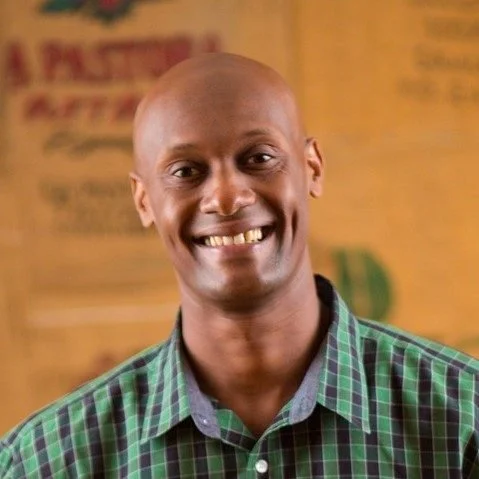
Arthur Karuletwa, La Colombe's VP of Sustainable Sourcing, leverages coffee to wage a "war on poverty" and restore dignity, a mission born from surviving the Rwandan genocide. He views the conflict's roots in eroded self-worth, mirroring coffee's colonial history where locals were denied ownership. Karuletwa's model ensures La Colombe buys directly from named farmers, providing receipts that make them "bankable" and visible, combating the invisibility of poverty. This "shadow on the soil" approach maps the supply chain, protects growers from market volatility, and fosters regenerative farming. He believes this respect, applied at scale, is a powerful economic strategy, empowering communities and building climate resilience for future generations.

How The J.W. Couch Foundation Is Innovating Nonprofit Storytelling For Good
Sean Couch inherited the J.W. Couch Foundation from his grandfather, Jesse, whose values around preservation, education, and wellness became its founding compass. Moving from tech marketing into philanthropy, Couch spotted a gap most funders ignore: nonprofits have powerful stories and no way to tell them. His foundation now funds "storytelling infrastructure" directly, including overhead costs other donors won't touch — a strategy that helped the FarmLink Project land national television exposure. Couch took that thesis further by co-producing Paper Bear, a conservation feature film that taught him firsthand what it's like to pitch and fundraise as a nonprofit. That experience, paired with what he saw as widespread burnout across the sector, led him to found GiveFocus, a software venture that builds custom operational tools for nonprofit teams. Couch now moves between creative and technical work to support organizations from both directions — telling their stories and building the systems behind them.

How Mijenta Is Blazing A Path For Premium, Sustainable, Impactful Tequila
Mijenta Tequila, founded by former Bacardi colleagues, launched digitally in 2020 after a pandemic delay, quickly gaining consumer traction. The brand was built from scratch on principles of quality and core values. Maestra Tequilera Ana María Romero, a sommelier, innovatively developed its additive-free taste, celebrating Jalisco's terroir through meticulous, non-traditional methods. Sustainability is deeply integrated, with recycled packaging, agave-waste labels, carbon offsetting, and B Corp certification, spearheaded by Elise Som. Mijenta also champions social impact, supporting women-led organizations in Mexico via Women's Earth Alliance. Now expanding globally, the brand's success highlights its authentic tequila and embedded ethical practices.

How Future In Bloom Is Using The Power Of Stories To Spark Climate Hope
Clean energy entrepreneur Steph Speirs launched "Future in Bloom," a documentary project addressing widespread climate anxiety by showcasing real-world clean energy solutions. Speirs, who previously ran a community solar company, observed a disconnect between public dread and the optimism of those actively building climate technologies. Her initiative aims to democratize access to climate tech knowledge, countering negative media narratives and jargon.

How The Ecology Center Is Creating A Blueprint For Regenerative Thriving
Teenage surfer Evan Marks, confronted by ocean pollution, founded The Ecology Center in Orange County. This 28-acre regenerative farm, school, and gathering place aims to reconnect people with land, food, and community. Operating as a "village," it offers diverse programs, from a family farm school to a farm-to-table cafe, emphasizing traditional, sustainable practices. The center addresses the environmental impact of food production and builds a healthier culture in an unlikely region. Marks runs it as a social enterprise, with earned revenue supporting its mission alongside philanthropy. Through thoughtful art and design, The Ecology Center creates an inviting space, fostering connection and a sense of "remembering" essential human values.
How Think-Film’s Danielle Turkov Is Turning Movie Campaigns Into Real-World Impact
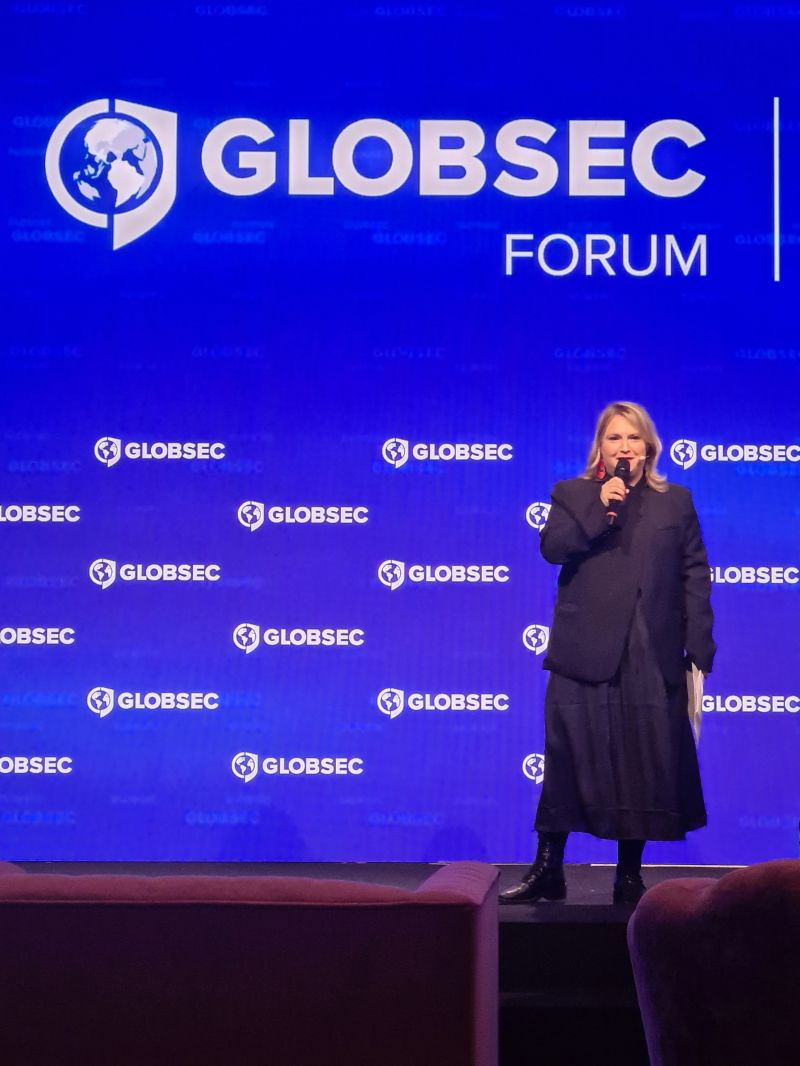
Danielle Turkov's Think-Film demonstrates how social impact campaigns can significantly boost a film's commercial success. For "Dark Waters," their "Forever Chemicals No More" campaign drove 35% of box office, proving that purpose-driven marketing isn't just a "nice extra." Turkov, inspired by her mother's belief in storytelling for change, founded Think-Film to generate both "issue revenue"—tangible societal change like new laws—and commercial revenue for films. Her company has successfully influenced legislation, such as ensuring indigenous communities' rights in EU deforestation laws for "The Territory." Think-Film strategically targets diverse audiences, even those initially resistant to a film's message, as seen with the climate musical "The End." Turkov advocates for impact producers to be integral from a script's inception, arguing their work creates demand and deserves industry recognition.

How Public Good Helps Brands Turn Moments Into Movements
Public Good, led by Melissa Anderson, tackles how brands often fail to effectively communicate their positive impact, relying on fleeting "manufactured moments" like seasonal campaigns.

How The House Of Beautiful Business Is Building An Economy For The Post-AI World
The House of Beautiful Business recently celebrated its tenth anniversary in Athens, drawing 1,100 attendees to explore business beyond mere deliverables. Founded by Tim Leberecht and Till Grusche, this movement has grown into a 30,000-strong global community, partnering with major brands like Accor, Steelcase, and the London School of Economics and Political Science.
How Lemonade Is Pioneering New Models To Help Fund Non Profits
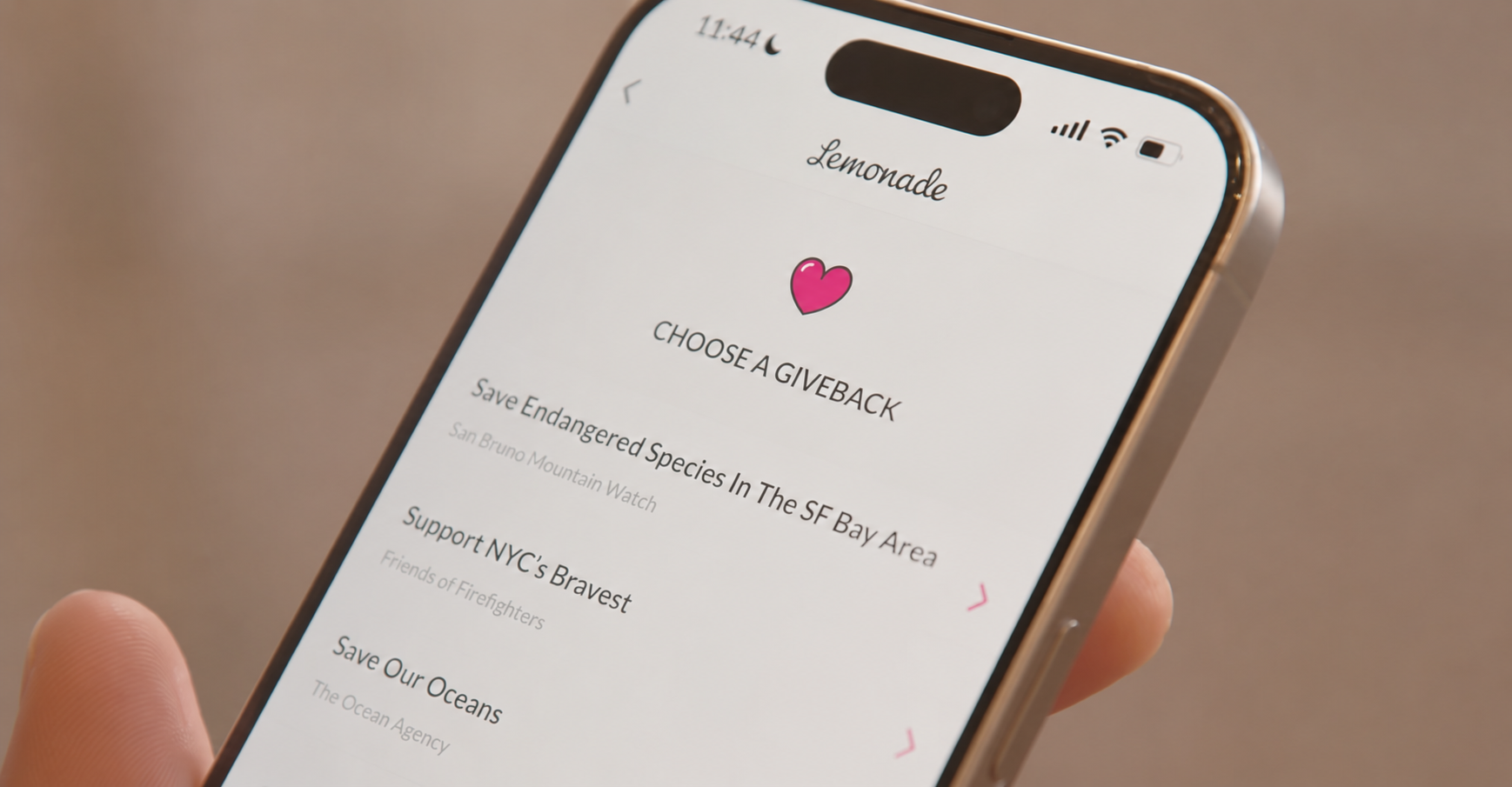
Insurance runs on an unspoken rule: whatever premium goes unclaimed becomes profit. Lemonade, the tech-driven insurer founded in 2015 by Daniel Schreiber and Shai Wininger, built its business on doing the opposite.
How The Green Renaissance Can Unlock A $4 Trillion Bio Economy
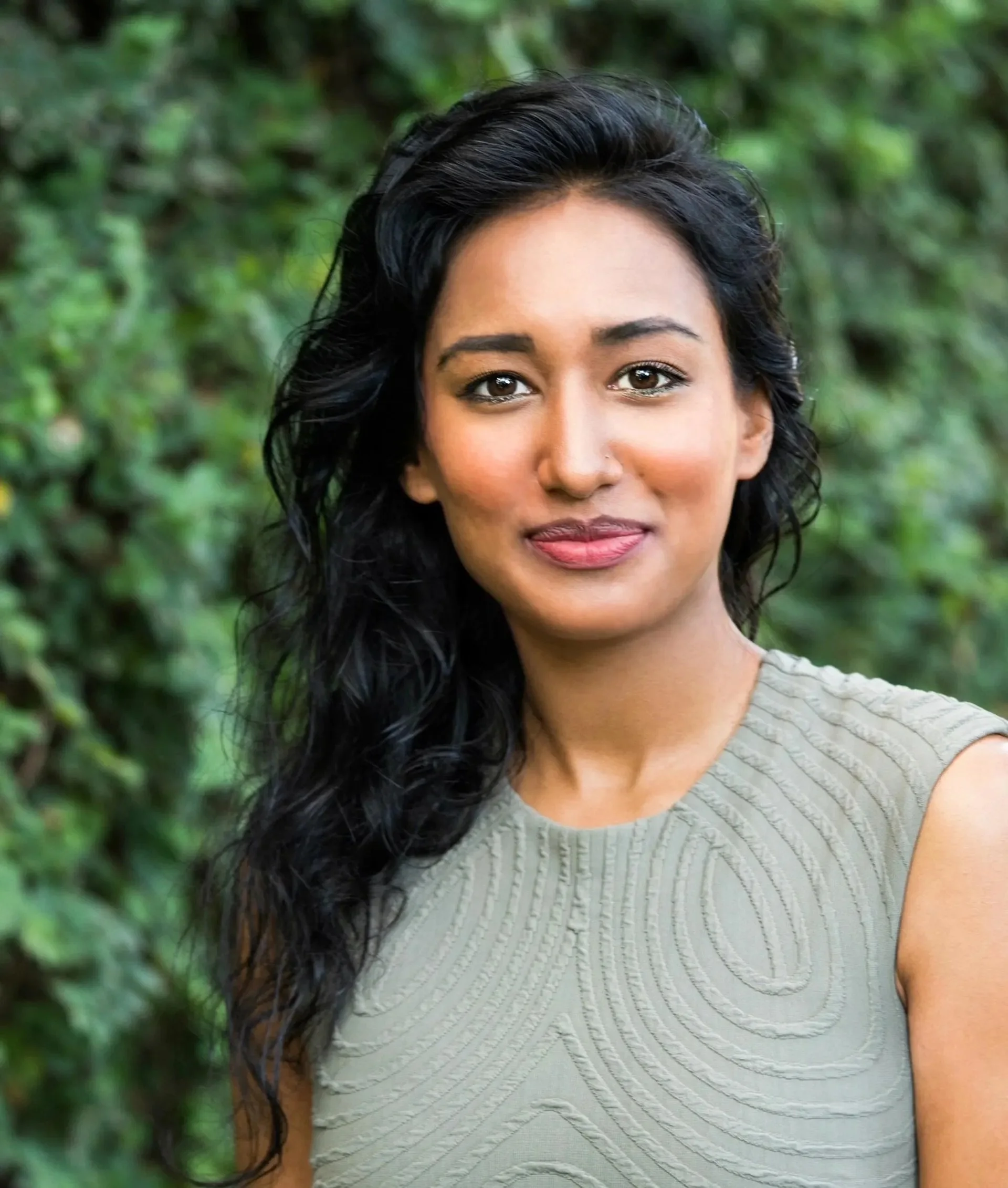
Léonie Weerakoon's Kinetik Ventures champions the "Green Renaissance," integrating nature's ancient intelligence with modern technology to unlock the $4 trillion bioeconomy's vast potential.

Redefining The Bottom Line: Impact Investing and Spiritual Capital
Jenna Nicholas, founder of LightPost Capital, has released "Enlightened Bottom Line," a book based on interviews with successful investment and business leaders. It introduces her HEAL framework: Hope, Empathy, Abundance, and Legacy, which blends meaning and purpose into daily work.

How Aura Finance Is Turning Financial Anxiety Into A Workplace Benefit
Offered as a workplace benefit alongside mental health support, Aura Finance provides coaching and tools to improve financial confidence and reduce stress, rather than just tracking savings.
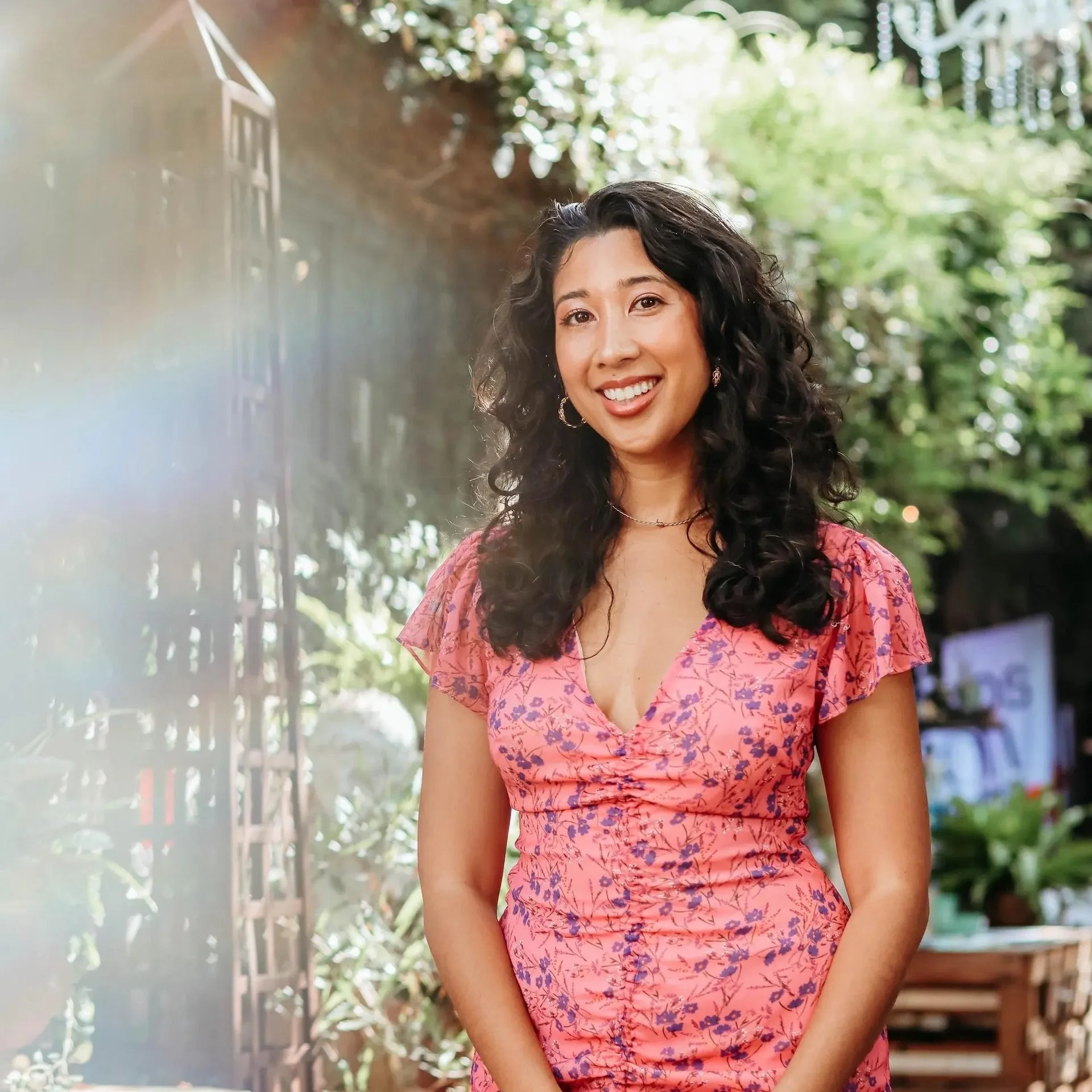
How Kristy Drutman Is Helping Climate Professionals Find Career Opportunity
The hardest part of fighting climate change isn't a lack of solutions — it's that nobody can find the door in. Kristy Drutman discovered that the hard way after graduating with an environmental policy degree and finding her career counselors had nothing to offer. So she started posting colorful job roundups on Instagram, built a community of 200,000 people and 1,000 employers from scratch with a three-person team and zero outside funding, and is now building Pathways — a matchmaking platform for climate careers — on one conviction: the energy transition is inevitable, and the only question is who gets to be part of it.

Who Gives A Crap: A Masterclass In Building A Purpose Driven Brand (And $20M AUD In Impact)
Who Gives A Crap was founded by Simon Griffiths, Danny Alexander and Jehan Ratnatunga around a simple, almost absurd premise: toilet paper, but funny, beautifully wrapped, and tied to solving a crisis most shoppers never think about while browsing the paper aisle.

How Pano and Sonia Kastner Are Using AI To Stop Wildfires Across America
Pano AI is revolutionizing wildfire detection with AI-powered cameras and human oversight, protecting communities across 17 states. Founders Sonia Kastner and Arvind Satyam developed a system providing precise visual intelligence for early fire response and preventing catastrophic losses.
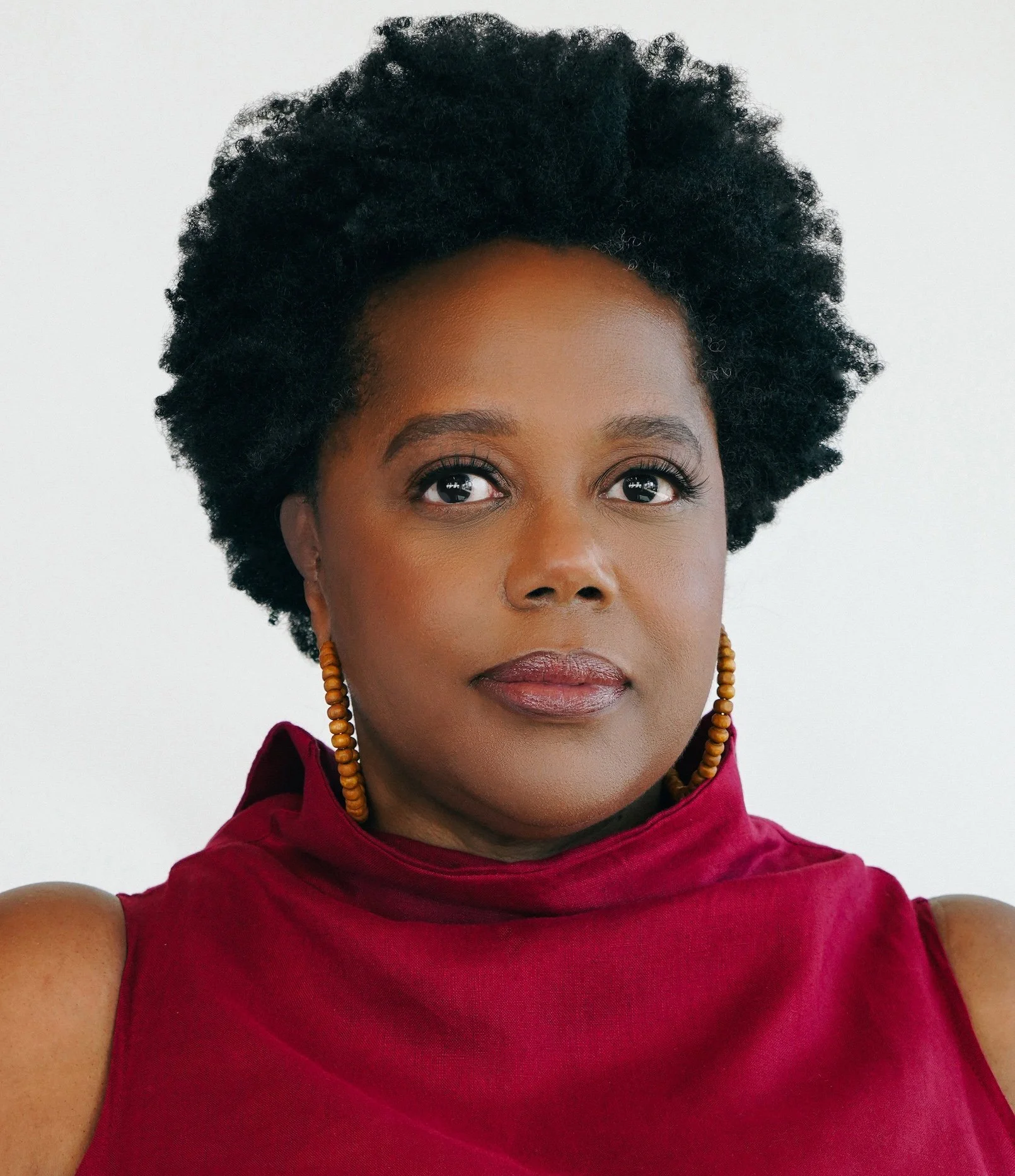
Inside Pop Culture Collaborative’s Mission To Rewrite America’s Narrative Oceans
Bridgit Antoinette Evans, CEO of the Pop Culture Collaborative, leads a philanthropic fund investing in artists and storytellers to drive social change. The Collaborative, having raised $75 million and seeking $100 million more, believes lasting policy shifts demand fundamental changes in people's beliefs and sense of belonging.