How Vita Coco’s Regenerative Business Model Is Refreshing Communities And The World
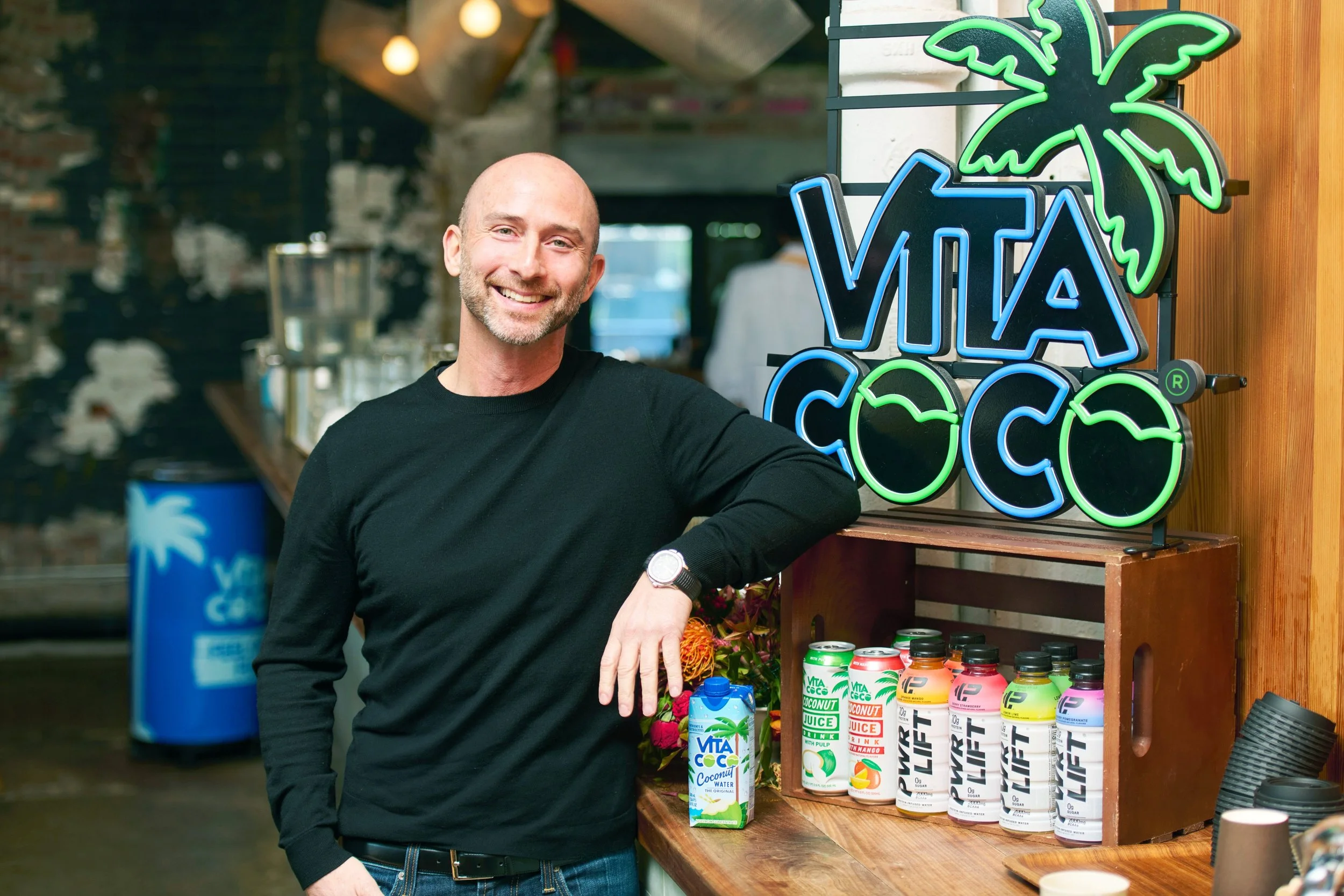
Mike Kirban, Cofounder and Executive Chairman of Vita Coco
When coconut water first started showing up in yoga studios and corner delis, it felt like a niche trend. Two decades later, the billion-dollar Vita Coco brand has helped turn it into a global category – while quietly building schools, training farmers, and planting trees across the tropics.
When I reconnected with cofounder and executive chairman Mike Kirban, what struck me was how little he talks about “purpose” as a branding exercise – and how deeply it is now baked into the way the business actually works.
Business first, then purpose that fits
Ask Kirban if he set out to build a purpose-driven brand, and he almost laughs.
“It’s funny you say that, because I’ve never thought of us as a purpose-driven brand. A lot of people do,” he reflects. “When we started, we definitely weren’t a purpose-driven brand.”
Only later, as the company grew (it is now a Certified B-Corp and Public Benefit Corporation), did the opportunity to make a broader impact become obvious.
Turning supply chains into a shared win

Vita Coco is on a mission to deliver great-tasting, nutritious products that we believe are better for people and the world | Vita Coco
When the conversation turns to why Vita Coco has been so successful, Kirban does not start with advertising.
“People ask all the time, why have you guys been so successful in this category? Why do you have almost 50 share in the US and 90 share in the UK?” he notes. He credits the brand and the people who “are part of an organization that they really believe in.” But he is very clear about the core reason. “The number one reason for our success and our scale and our ability to really have such a large share in the category is our supply chain. The supply chain is all based around the communities in which we produce, from the actual manufacturing partners to the farmers,” he says.
Seedlings for Sustainability
Vita Coco’s ‘Seedlings for Sustainability’ program is a great example of its regenerative approach to business and it’s stakeholders.
In places like the Philippines, many coconut trees were planted just after World War Two and are now reaching the end of their productive life. Vita Coco’s response is long-term replanting at scale.
“We’re looking to plant 10 million trees in a short period of time,” Kirban says. By planting seedlings beneath aging trees, farmers can let the new trees grow, then cut the older ones for lumber in three to five years. At that point, as he puts it, they still “have an operating business that is operating at two, three, four X what it was operating at five years earlier.”
Much of this long-term farming and replanting work now sits under The Vita Coco Community Foundation, the company’s ongoing commitment to support coconut-farming communities where it sources its coconuts. Today, Vita Coco is also a certified B Corp, formalising its intention to balance profit and purpose in the way it grows.
As a kid from New York and Connecticut, he still remembers the shock of his first visits to remote coconut-farming communities.
“Kids going to school literally in the rain, under a tarp, in the mud, and seeing that and thinking there's an opportunity here to do better,” Kirban says. Over the years he has brought his own children to visit schools Vita Coco has helped support, to let them see first-hand what the company’s impact work looks like on the ground.
“Anybody could say we're uplifting communities,” he reflects. “But to go there over and over again and actually see the changes is super cool.”
Bridging pop culture and purpose
For all the serious impact work, Vita Coco has never lost its sense of fun. The brand’s early breakout moment came when Madonna, Demi Moore, Matthew McConaughey, Anthony Kiedis and others invested in the company and started championing coconut water to their fans – a very different kind of celebrity partnership play.
“We connect with consumers very well. We’ve been connecting with consumers initially through music,” Kirban says. Those early music and celebrity ties paved the way for later collaborations with cultural icons like Erykah Badu, Brenda Song and Becky G keeping the brand firmly rooted in pop culture even as it leans into sustainability.
Redefining what hydration can be
When Vita Coco started, coconut water had a narrow audience.
“When we first started, coconut water was for people who did hot yoga,” Kirban remembers.
“Today, it has so many functional uses,” he explains. Some people keep Vita Coco at home “only because they like to mix it with tequila.” Others use it in their morning smoothies or reach for it after a Peloton ride.
“I think the base of our consumer is coming from hydration and natural hydration,” he adds. “Coconut water has three and a half times the electrolytes of the leading sport drink, and it comes from a tree.”
“If you think about what's growing in beverage, there's not much growing in the beverage aisle,” Kirban points out. “There's really three things. Protein drinks are growing, energy drinks are still growing, and coconut water is growing.”
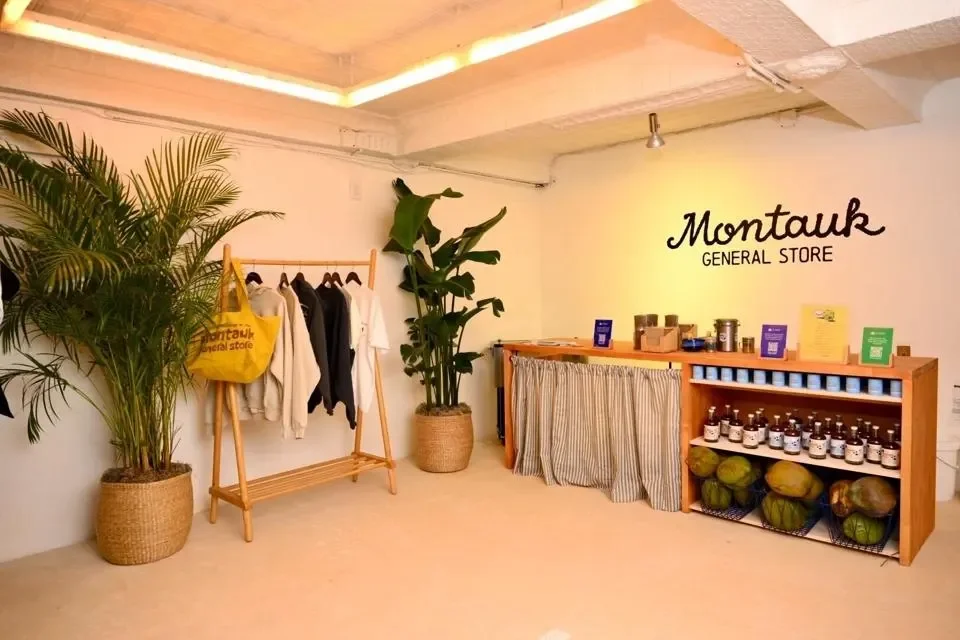
Vita Coco x Montauk General Store's The Supporting Farmers Market Activation | Vita Coco
Showing the impact without shouting about it
Many brands struggle with how to talk about impact without sounding self-congratulatory. Kirban is honest that this has been a tension for him too.
“I've always struggled with how to talk about the impact work, because I always felt like it was almost like, look at what we're doing. How great are we? We're so amazing, and we're so great. That's not where it stems from,” he admits.
Experiences like the recent Montauk General Store Supporying Farmers Market event have helped him find a more authentic way.
“To bring people through and have them see some of the things that we do and plant a seedling for everybody who visits and all of these types of things is a way to share the work that we're doing with our consumers without trying too hard,” Kirban explains. That, to him, feels more honest than “putting in a marketing campaign about all the great things we do in the world.”
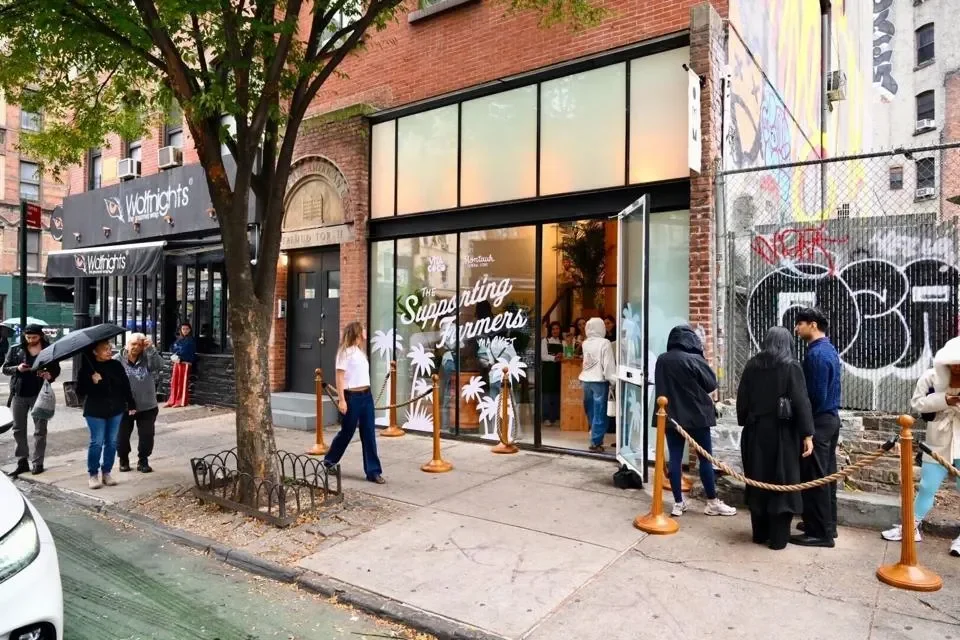
Vita Coco x Montauk General Store's The Supporting Farmers Market Activation | Vita Coco
Advice for founders who want to build with values
Looking back, Kirban’s advice to entrepreneurs who want to blend profit and purpose is deceptively simple.
“Build a real business that is not overfunded, that is built on real solid fundamentals that can one day be a profitable business,” he advises. “If you believe that you want to make a difference in the world and you want to have an impact on people and planet and whatever else it might be, then you should use your business to help do that.”
The key, he believes, is making sure the impact you choose is deeply connected to what you actually do.
“The things have to feel like they go together. They can't feel totally separated,” Kirban says. “I think it has to be intuitive.”
At Conspiracy of Love, we help changemakers tell their most powerful stories — stories that inspire action, build movements, and create lasting impact.
Find out more about our Values-Driven Storytelling and GPS to Purpose workshops, and how we can help you scale your impact.