How Canva Wants To Help 1 Million Non Profits Unleash The Power Of Design And Storytelling

The Girl and Her Globe Book created using Canva | Girls in Movement
What if design was treated as essential infrastructure for change, not a nice-to-have finishing touch?
That is the quiet revolution happening inside Canva. What began as a simple drag-and-drop design tool has grown into a platform powering everything from grassroots mutual aid to national health systems – with a bold ambition to reach every nonprofit on Earth.
At the heart of this work is Robyn King, who helps lead Canva’s impact and foundation efforts. She joined after looking for a place where impact was genuinely baked into the business model rather than bolted on as a corporate social responsibility program.

Robyn King, Head of Social Impact at Canva | Canva
Canva, it turned out, was already on that path. From its early days, co-founders Melanie Perkins and Cliff Obrecht had a “two-step plan” – first, build a transformative company; second, dedicate a significant share of its value to solving global challenges.
Over time, that intent has crystallized into an Australian foundation, a Pledge 1% commitment across time, product, profit, and equity, and a pledge of 30% of Canva’s equity for doing good. Co-founder Cameron Adams has also set up his own philanthropic initiatives.
For King, the mission is simple: use Canva’s tools, people, and capital to help build “a better world where everyone’s basic needs are met and equitable access to quality education are the foundations upon which we can all thrive.”
Baking Impact Into The Product
King’s first year at Canva was spent as a product manager, learning the platform from the inside out. That product fluency turned out to be critical once she shifted into building Canva’s foundation and impact programs.
On one side of the strategy are basic needs such as direct cash transfers through partners like GiveDirectly in Malawi, crisis response funding for emergencies around the world, and support for foundational literacy and numeracy through organizations such as the Prevail Fund.
On the other side is education. More than 25 million students and teachers have formal access to Canva for Education, with internal estimates suggesting the real number of learners using Canva is much higher. The company’s ten global campuses focus their volunteering and local giving on education-related initiatives, from classroom resources to skills training.
Across both pillars runs a simple idea: communication is infrastructure. King believes design and visual communication are pivotal to nonprofits achieving their goals quickly and clearly.
The Path To One Million Nonprofits
When Canva launched its premium product, Canva Pro, the company made an early decision that would shape its impact strategy. Any eligible nonprofit, anywhere in the world, could access Canva Pro for free.
Registered nonprofits receive Canva Pro at no cost for up to 50 seats, and a 50% discount on any additional licenses beyond that. Eligibility is verified in real time using Goodstack’s global database of nonprofits, which now includes over 10 million organizations.
From the first hundred nonprofits to a few thousand and now more than 900,000 organizations, the program has grown into one of the largest in-kind design initiatives in the world. Canva estimates there are roughly 10 million nonprofits globally, which means the company is already supporting close to a tenth of them and has set its sights on reaching a million in the near term, and ultimately all of them.
For King, the logic is straightforward. It is totally free for nonprofits, so in her view it is a no-brainer not to take advantage of it.
Stories From The Frontlines
The real measure of Canva’s impact is not just the number of licenses issued but the stories emerging from nonprofits on the ground.
In Kenya, the Emergency Medicine Kenya Foundation (EMKF) is working to strengthen emergency healthcare systems nationwide. Founder and Executive Director Benjamin Wachira describes how central Canva has become to their work.
“Canva for Nonprofits has enabled EMKF to achieve professional-quality branding and visual consistency across all our initiatives. From designing publications and social media campaigns to mobile application designs, Canva has enabled us to produce polished, impactful designs quickly and affordably. This has elevated our visibility and credibility, making us stand out as a leader in emergency healthcare in Kenya,” he said.
“With Canva, we are able to create compelling and visually engaging content for social media, websites, and donor reports. These visuals have helped us communicate what we are doing as an organisation in simple, relatable ways for everyone to understand our mission. As a result, our campaigns reach wider audiences, and our donor presentations are more persuasive, helping us secure critical funding and partnerships to expand lifesaving emergency healthcare services across Kenya,” explained Wachira.

Emergency Medicine Kenya Foundation materials produced using Canva | Emergency Medicine Kenya Foundation
In Australia, Red Dust Role Models partners with First Nations communities in some of the country’s most remote regions. Director of Partnerships and Philanthropy Roberto Pietrobon talks about how Canva has changed the way their team works.
“Empowering our people to create what they need when they need it. No more single point dependencies," said Pietrobon.“Visual media is instrumental in sharing the story of Red Dust, the First Nations peoples, their families and their communities working with us. Our donors and supporters get to see, and feel the impact through the visual media we create, bringing them closer to the impact they support.”
The platform has become a shared creative space where staff and young people collaborate on everything from social media content to resources developed in remote programs.

Red Dust Role Models Infographics created using Canva | Red Dust Role Models
In the United Kingdom, Girls in Movement is a grassroots initiative run largely in founder Polly Dhaliwal’s spare time.
“I’m a COO by day and run Girls in Movement in my spare time, which is often limited, but it’s my purpose and what I hope to build long-term,” she shared.“The biggest win? We’ve created an entire educational platform, including learning modules, printable resources, and inspiring storytelling campaigns — using Canva. These materials from my podcast proofs through to learning resources have now reached over 25,000 girls, from UK classrooms to village schools in India. Without Canva’s nonprofit tools, I wouldn't have been able to bring that vision to life at scale or with the design quality that makes girls feel proud to engage with the work.”
Dhaliwal notes that this also helps Girls in Movement look and feel professional, which in turn builds trust with supporters and partners.
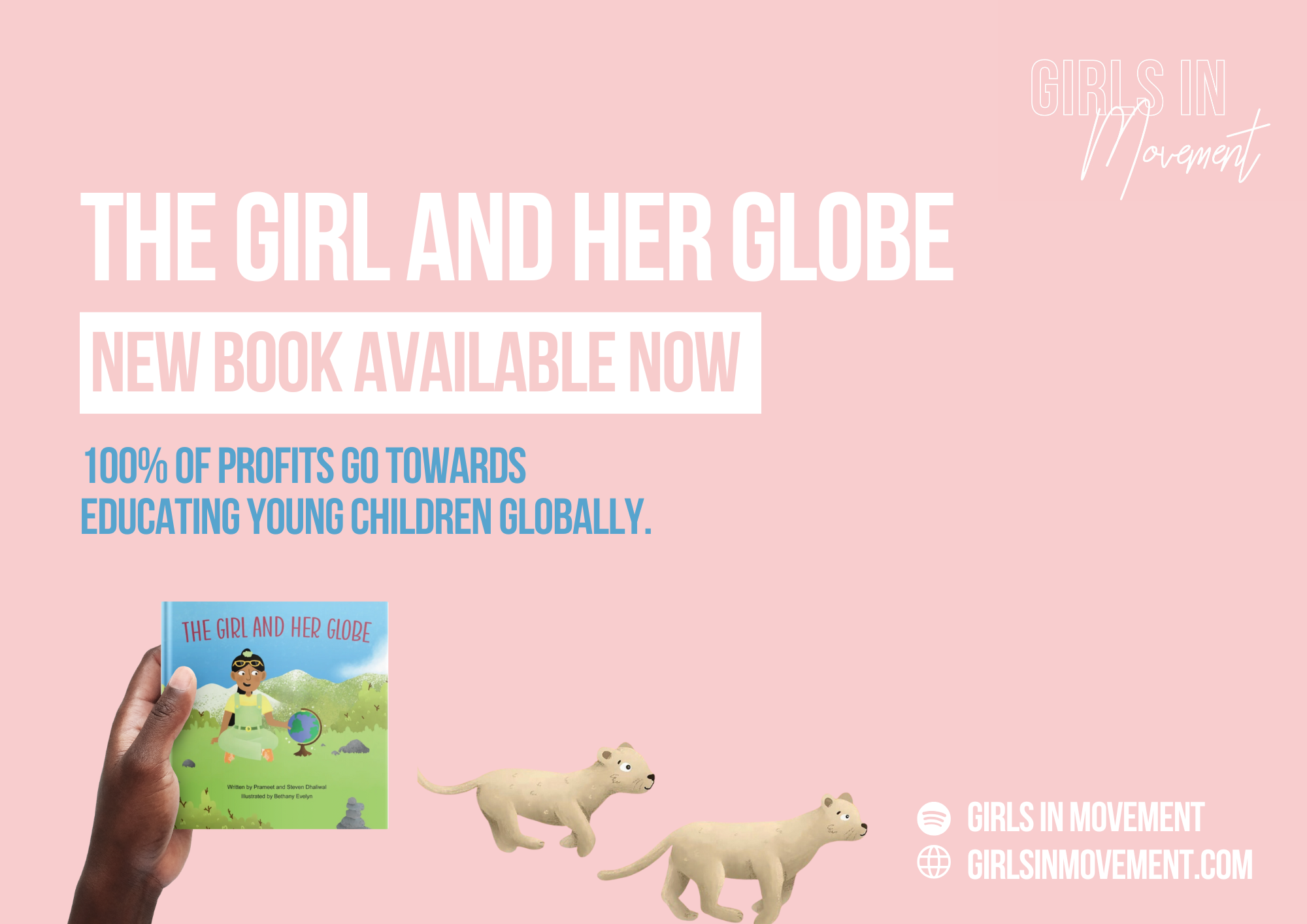
Book flyer created using Canva | Girls in Movement
An Open Invitation To Nonprofits Everywhere
Inside Canva, the work of impact is framed as a journey rather than a finished blueprint. The company continues to refine its focus areas, consolidate programs, and learn from partners in the field. But the direction is clear: use the engine of a fast-growing design platform to help solve some of the world’s toughest problems.
Reaching one million nonprofits is a milestone on that path, not an endpoint. Any registered nonprofit can apply to join Canva for Nonprofits, receive free access to Canva Pro for their teams, and tap into a growing ecosystem of tools, training, and peer stories.
For King, the promise is simple. If nonprofits are already doing the hard, complex work of changing the world, the least a company like Canva can do is give them a designer – and a platform – for free.
At Conspiracy of Love, we help changemakers tell their most powerful stories — stories that inspire action, build movements, and create lasting impact.
Find out more about our Values-Driven Storytelling and GPS to Purpose workshops, and how we can help you scale your impact.