Why Catherine, Princess Of Wales Wants Us To Parent — And Live — Like Children Again
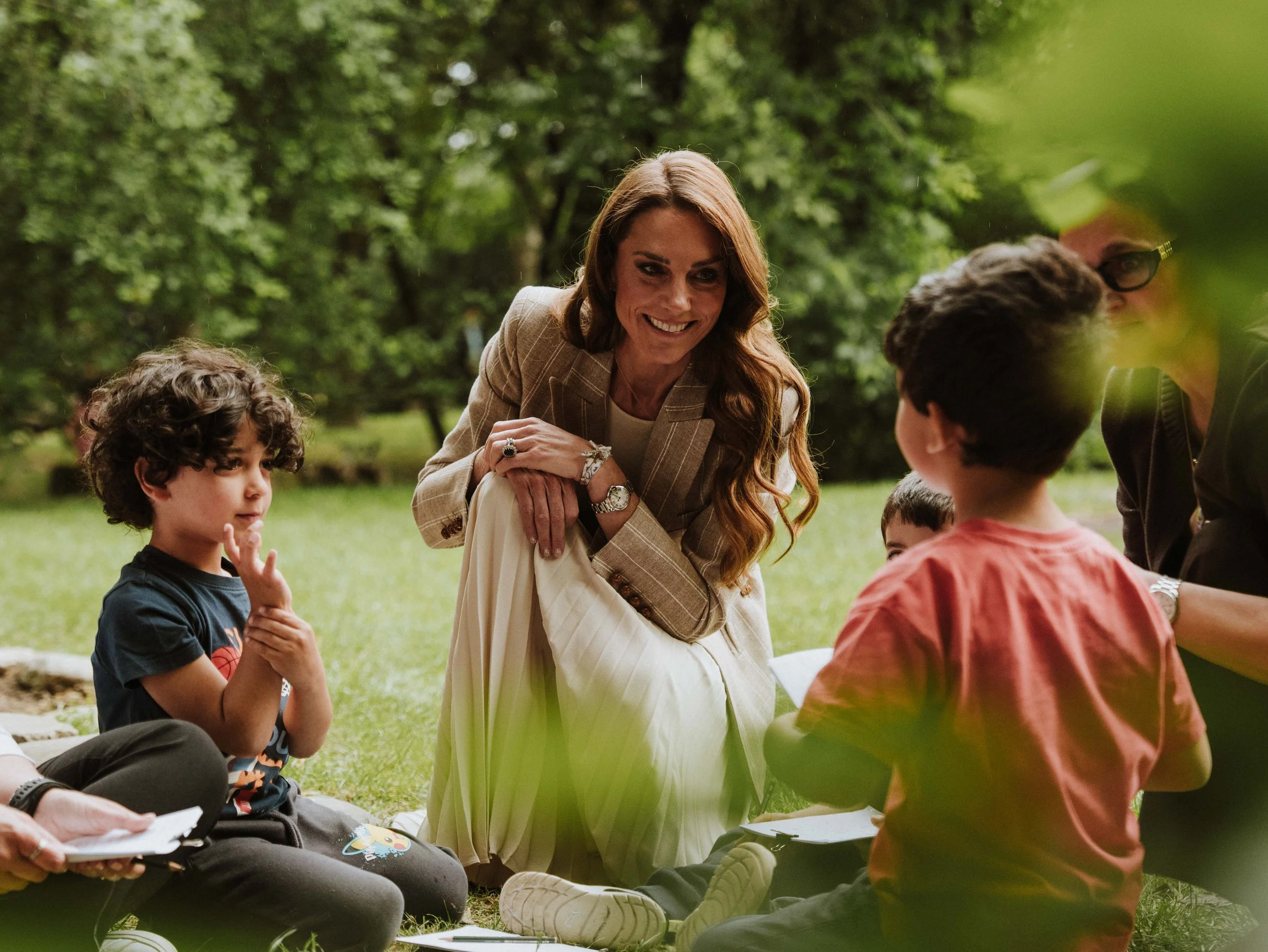
Princess Catherine during the Reggio Emilia visit | The Royal Foundation Centre for Early Childhood
A stranger walks into a room full of children in Reggio Emilia, Italy. There is no hesitation, no wariness, no careful sizing-up. The children simply welcome her. Catherine, Princess of Wales describes the moment in her own words: she felt, instantly, "confidence and joy."
Stay with that image for a moment. Think of the last time you let a stranger in that easily — no guard up, no performance, just openness. Most of us cannot remember. That is the catalytic moment that sparked an essay the Princess of Wales publishes today, titled "Creating the conditions for love to flourish through nature & creativity."
It is not a policy paper. It is closer to a love letter — to childhood, to what we were before we learned to protect ourselves from each other.
The city itself matters here. Since the Second World War, Reggio Emilia has treated children not as small adults in training but as full citizens, entitled to be heard through what its educators call their "hundred languages" — the many ways, verbal and otherwise, a child has of telling you who they are. The Princess of Wales did not simply admire this. She listened for what it was teaching her, and what she heard was a question aimed squarely at the rest of us: what happened to our hundred languages? When did we narrow down to one?
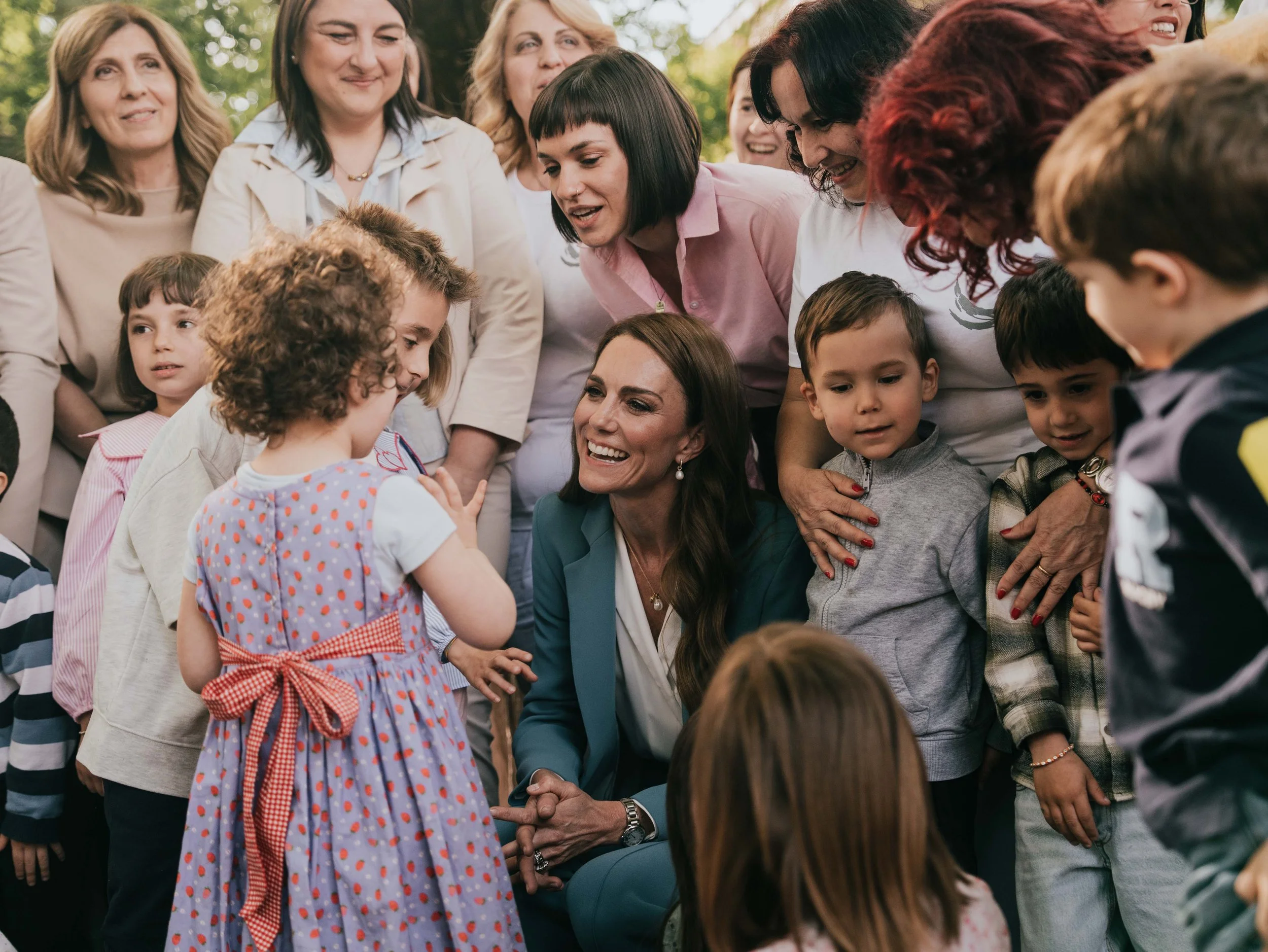
Princess Catherine during the Reggio Emilia visit | The Royal Foundation Centre for Early Childhood
Her diagnosis is gentle but unflinching. We live, she writes, in a world so mediated by screens that connection itself has become "abstract and distant" — a phrase that lands harder the longer you sit with it. We have all felt it: the conversation that happens through a glass screen instead of a shared room, the presence that is really just proximity. Against that, she offers something almost defiantly simple.
Connection, she writes, is what grounds us in what is "real and felt rather than abstract and distant." It is a line that could sit comfortably in a wellness manifesto, except that it arrives backed by the lived authority of someone who has had to fight her way back to feeling present at all.
Childhood, the Princess argues, is not merely a stage we pass through on the way to somewhere more important. It is a place we came from and can still find our way back to — a state in which, in her words, "mind, body, and spirit exist quietly together through the felt world." Before a child learns to separate what they think from what they feel, those two things move as one. We call this innocence. The Princess of Wales calls it something closer to wholeness, and she is careful not to romanticise its loss — growing up gives us structure and language, real gifts — but she names plainly what those gifts cost us: distance from the very state we are now spending our adult lives trying to find our way back to.
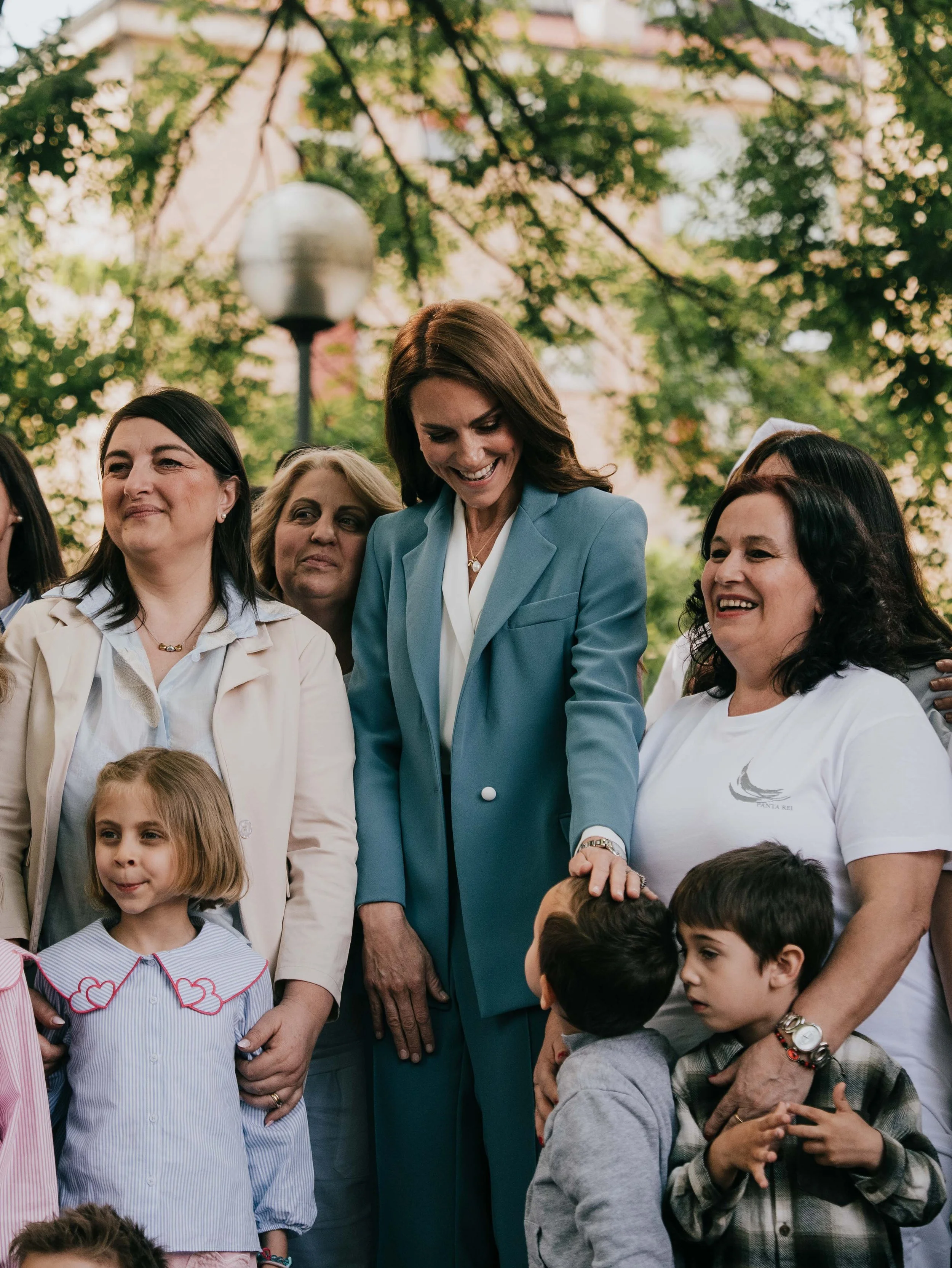
Princess Catherine during the Reggio Emilia visit | The Royal Foundation Centre for Early Childhood
So how do we find it again? Here the essay turns practical, almost tender in its specificity. Nature, she writes, offers children "natural light and the rhythm of the seasons" — an early, wordless lesson in belonging to something larger than the self. Creativity gives them somewhere to put feelings that have not yet found language: drawing, making, dancing, playing, all of it processing what cannot yet be said "beyond words." And the adults who pay close attention — who watch, who listen, who do not rush to fill every silence — are not standing on the sidelines of a child's development. They are building the room in which it happens.
Ask yourself, as she did, what the one thing is. A parent at her children’s school asked the Princess exactly that: if we could only do one thing, what would it be? She did not reach for a framework. She reached for a word. Love — not the performed kind, not the kind staged for an audience, but love that is "quiet and unconditional, built on time and patience," found in the smallest, least photographed moments of a day.
The Princess of Wales writes of "the restorative qualities of nature" and of creativity as "a pathway to self-awareness and a richer way of life" — language written, on its surface, for children. But read it again as an adult, and it becomes something else: a description of everything we have been quietly trying to recover ever since we lost it. The essay is ostensibly about how to raise a child well. It is also, almost despite itself, about what it might take to heal a grown person.
There is real institutional weight behind this, beyond the essay itself. Christian Guy, Executive Director of The Royal Foundation Centre for Early Childhood, situates it inside something larger still. "During Her Royal Highness’s visit to Italy in May, The Princess emphasised the need to put early childhood on the global agenda, treated with the same urgency and sense of mission as other global challenges like climate change," Guy said. "The Centre for Early Childhood is setting out on a bold new global mission to work with organisations around the world, to make this ambition a reality. This essay gives a real insight into how passionately HRH feels about the unique importance of early childhood and its ability to shape society, which is at the heart of all that we do at The Centre for Early Childhood."
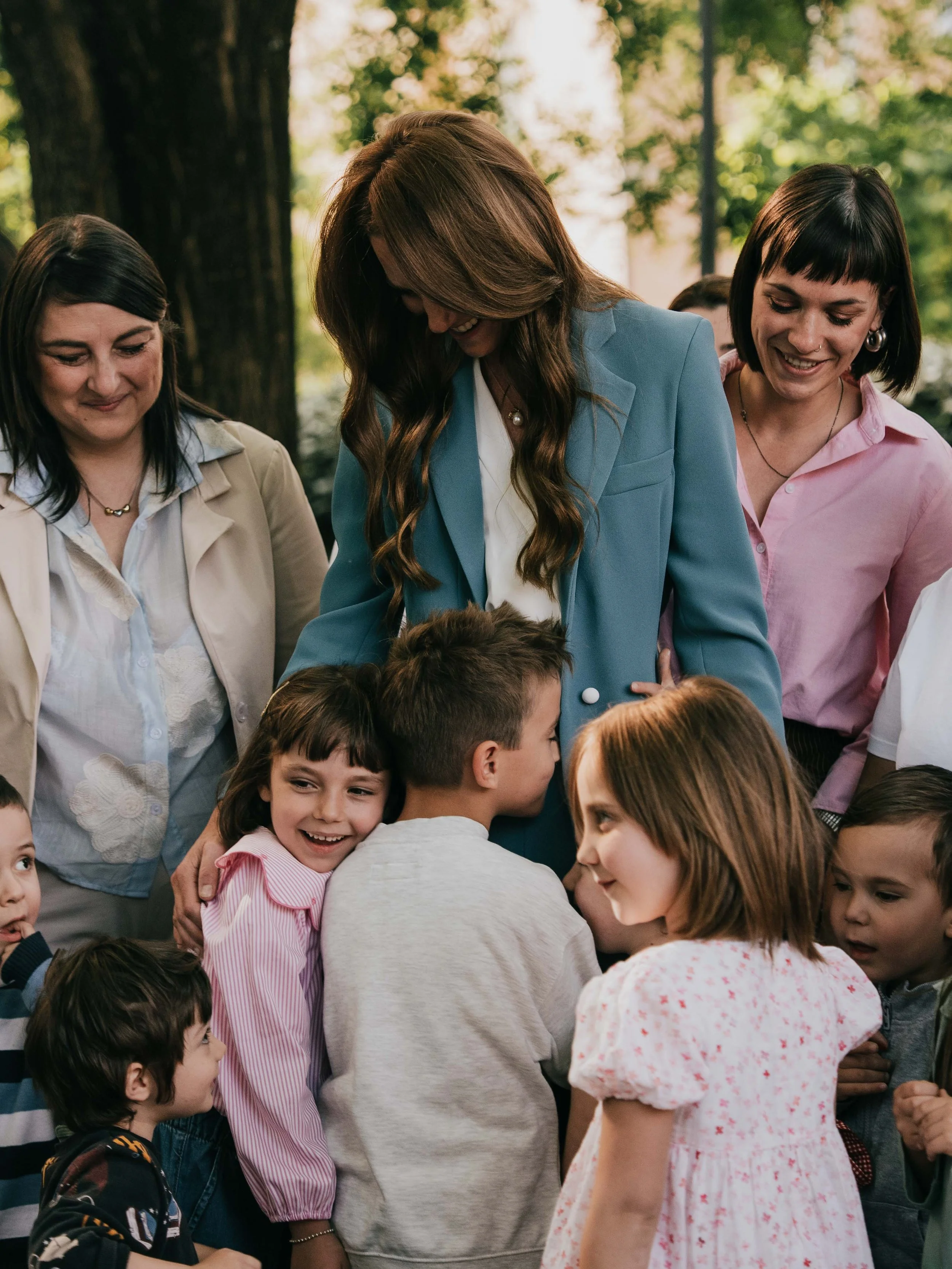
Princess Catherine during the Reggio Emilia visit. | The Royal Foundation Centre for Early Childhood
Near the essay's close, the Princess of Wales offers a single sentence worth carrying with you long after you've finished reading it: "If healing later in life is about rediscovering our most important connections, then perhaps the real task is to ensure that they are never lost in the first place." Read it once for the children in your life. Then read it again for the child you used to be.
Children give us hope, the Princess of Wales writes elsewhere, because they remind us of the best of what we are. Perhaps that is the real invitation buried in this essay — not simply to protect childhood in others, but to let it teach us something we forgot we already knew. The full essay is published today at centreforearlychildhood.org.
At Conspiracy of Love, we help changemakers tell their most powerful stories — stories that inspire action, build movements, and create lasting impact.
Find out more about our Values-Driven Storytelling and GPS to Purpose workshops, and how we can help you scale your impact.