How Givebutter And We Are For Good Are Creating The OS For Generosity
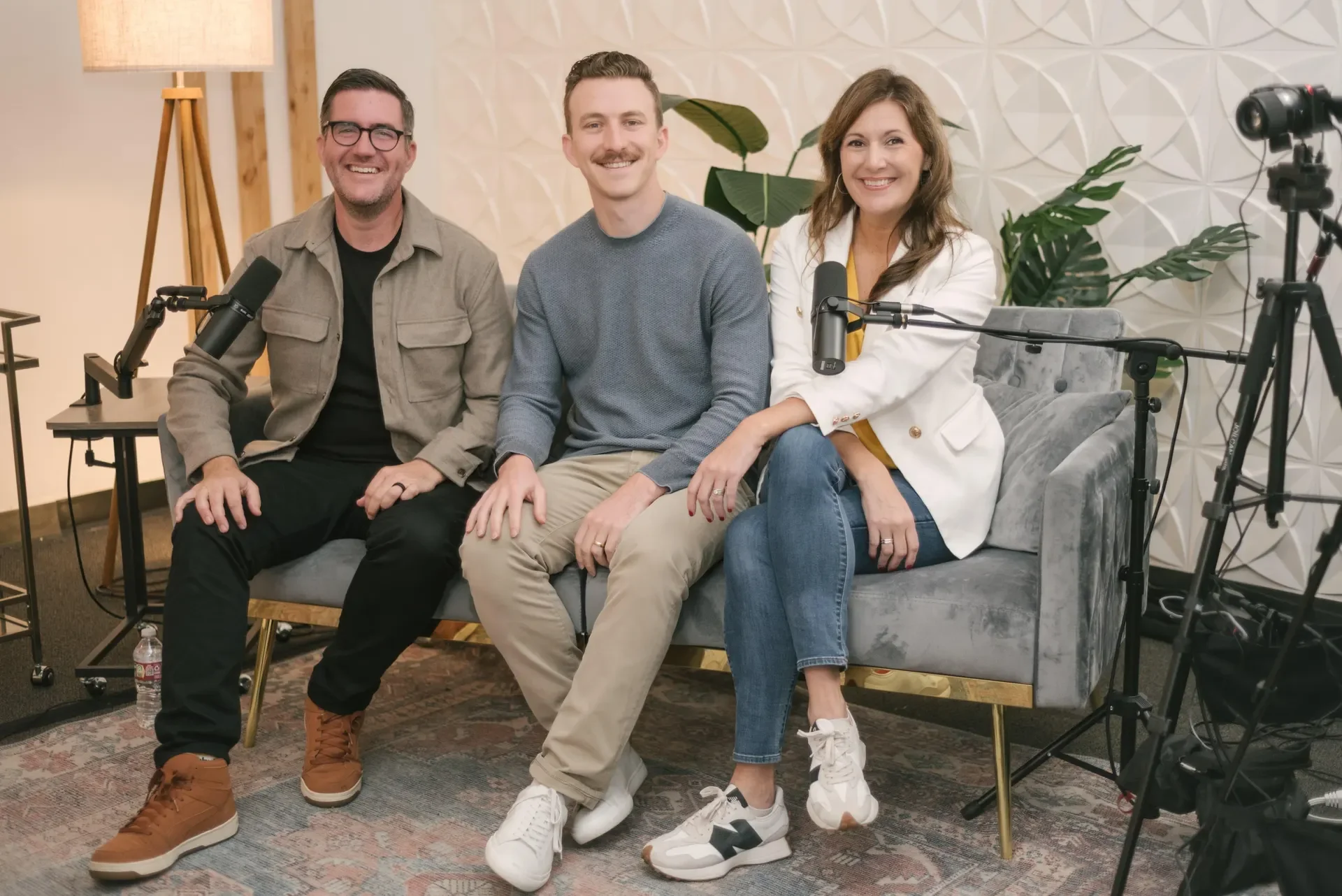
We Are For Good + Givebutter at Record, from left to right: Jon McCoy, Max Friedman, Becky Endicott | We are for Good
Somewhere between a college dorm room, a kosher food truck, and a LinkedIn DM that changed everything, a new model for American generosity was quietly being assembled. It didn't arrive with a press release or a handshake photo. It arrived the way most consequential things do — through shared values, mutual admiration, and a series of small yeses that turned into something neither party fully anticipated.
Max Friedman had already failed at two businesses before a friend asked him to help raise money for a kosher food truck at George Washington University. He built a fundraising page — social, transparent, joyful. The goal was hit in 24 hours. “That instant gratification, being able to build something that had instant traction, was kind of new for us,” he recalls. “We got hooked.” That was ten years ago.From those humble beginnings, Givebutter — a fundraising and nonprofit management platform built entirely in-house, starting from seven dollars and a domain name — has since touched 10 million changemakers and powered more than $10 billion in donations.
Jon McCoy and Becky Endicott arrived at the same problem from the inside. Both spent nearly two decades on the front lines of nonprofits — not studying the sector, living it — before launching We Are For Good in 2020, a podcast and community platform built to give power, story and resources back to the everyday changemakers the sector had long ignored. Six years later, nearly three-quarters of a million downloads, 250 meetups across 120 cities, not a single weekly episode missed.
Two organizations. Same values. Same communitt. It was only a matter of time before they found each other.
Flipping the Pyramid
Most nonprofit technology was built for large institutions with big budgets. Givebutter made the opposite bet. Roughly 20% of its users aren't even registered nonprofits — they're student groups, volunteer-run organizations, grassroots communities that existing platforms were never designed for. For the nonprofits that do use it, Givebutter functions as an all-in-one operating system, with fundraising, donor management, marketing, and financial tools built in-house so everything works together.
The people it serves tell the story better than any feature list. Hannah is a stay-at-home mom whose son Austin — nonverbal, unable to move — needed a rare and expensive treatment that research funding wouldn’t cover. So she launched a foundation and raised over $2 million on Givebutter herself. Endicott met her, heard her story, and became a donor. “There’s one,” she says, “and there’s 80,000 other tiny little nonprofits.” The newest addition, Givebutter Wallet, lets those organizations earn yield on every dollar raised — something most weren’t doing at all.
The DM That Started It
McCoy discovered Givebutter not long after launch and sent Friedman a note. Friedman replied almost immediately. What followed was not a pitch. It was a mirror. “It wasn’t about a podcast,” McCoy recalls of that first call. “It was about accessibility. It was about seeing people and serving the underserved belly of the nonprofits — the small guys.”
They did a podcast together. Givebutter invested in We Are For Good. They built ImpactUp, a community initiative around the issues hitting nonprofit professionals hardest — burnout, mental health, sustainability. Each time, both sides kept asking the same question: what if we dreamed bigger?
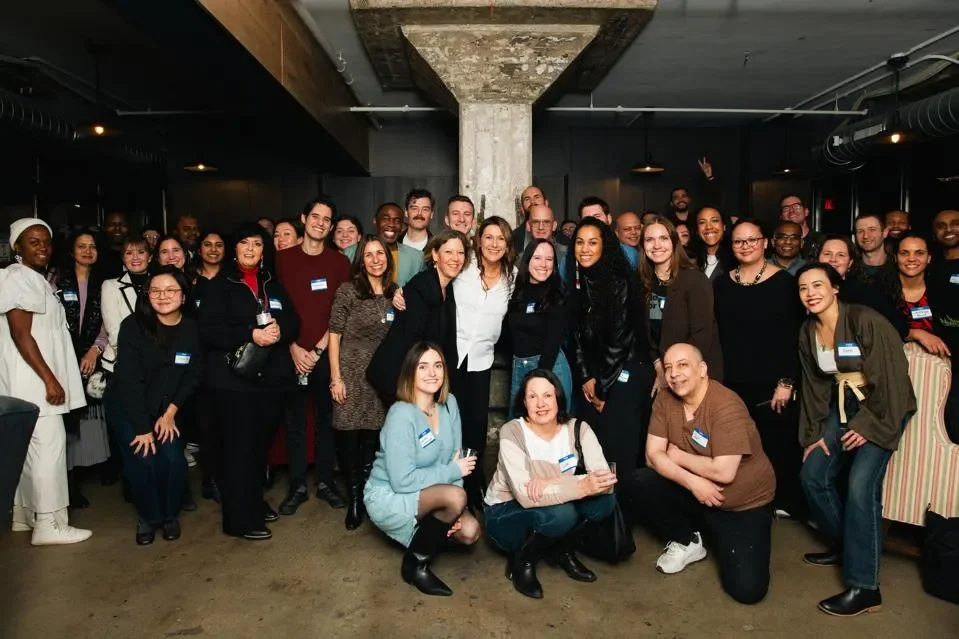
We are for Good meetups | We are for Good
Generosity as Antidote
The partnership landed at a strange and urgent moment. Nonprofit CEO burnout jumped from 29% to 46% in a single year. Seventy percent of the sector is reportedly considering leaving. Government programs are being cut. And yet something else is also happening — on Givebutter’s platform, small-dollar and recurring donations are rising, ordinary people finding their own answer to the weight of the moment.
Friedman reads the data and sees the same thing. “The moment we’re in is that pessimism is winning,” he says. “And generosity is how we beat it.” McCoy’s evidence is quieter. Over six years of interviews, he and Endicott have asked more than 700 strangers about a moment of generosity that stayed with them. The answers almost always go back to childhood — a pair of shoes, a name remembered. “What gives us hope,” McCoy says, “is that there could be a rise in just generous living.”
In a wonderful twist of fate, sometimes the karma comes back in ways you can’t imagine For years, Endicott gave to her workplace’s employee fundraising campaign without a second thought. When she went in for an ultrasound one Saturday, she realized the machine she was hearing her daughter’s heartbeat on was one she had helped pay for three years earlier, alongside 120 colleagues. “You don’t give because you want to be helped,” she notes. “You give because you believe, and sometimes it comes back to help you.”
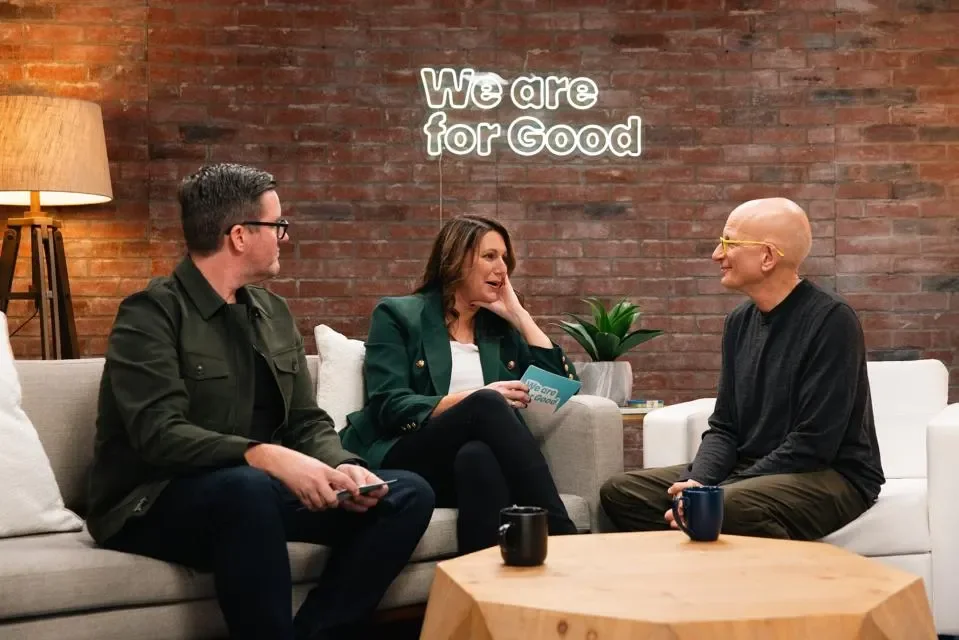
We are for Good recording with Seth Godin | We are for Good
What Becomes Possible
Friedman is planning an Impactathon — a multi-day event where changemakers use AI tools and Givebutter’s platform to build solutions their communities actually need. “Capacity is the constraint,” he explains simply. Not money. Not will. Capacity. And if technology can give some of that back, the arithmetic of what's possible changes entirely.
We Are For Good is following its community into cities and continents nobody at headquarters planned for. This year, more than 500 people raised their hand wanting to host a local gathering — a number McCoy calls a “massive signal” that the hunger for connection is already ahead of the infrastructure built to hold it. The movement, in other words, is not waiting.
Endicott puts the destination simply. “There is nothing I don’t see that we can't solve if we can unlock generosity and connect people to each other.” What she's describing isn't optimism exactly. It's a specific and tested belief — drawn from 20 years inside the work, from Hannah's $2 million, from an ultrasound machine paid for by 120 strangers — that generosity, when it's made genuinely accessible, doesn't need to be manufactured or incentivized. It just needs somewhere to go.
That’s what this partnership is really building. Not a platform. Not a media company. An operating system for generosity to thrive and grow. And in this moment we find ourselves right now that’s something that is more needed than ever, to remind ourselves of the power of the human spirit.
At Conspiracy of Love, we help changemakers tell their most powerful stories — stories that inspire action, build movements, and create lasting impact.
Find out more about our Values-Driven Storytelling and GPS to Purpose workshops, and how we can help you scale your impact.