How Wild Africa Is Mobilizing Culture To Champion Conservation On The Continent
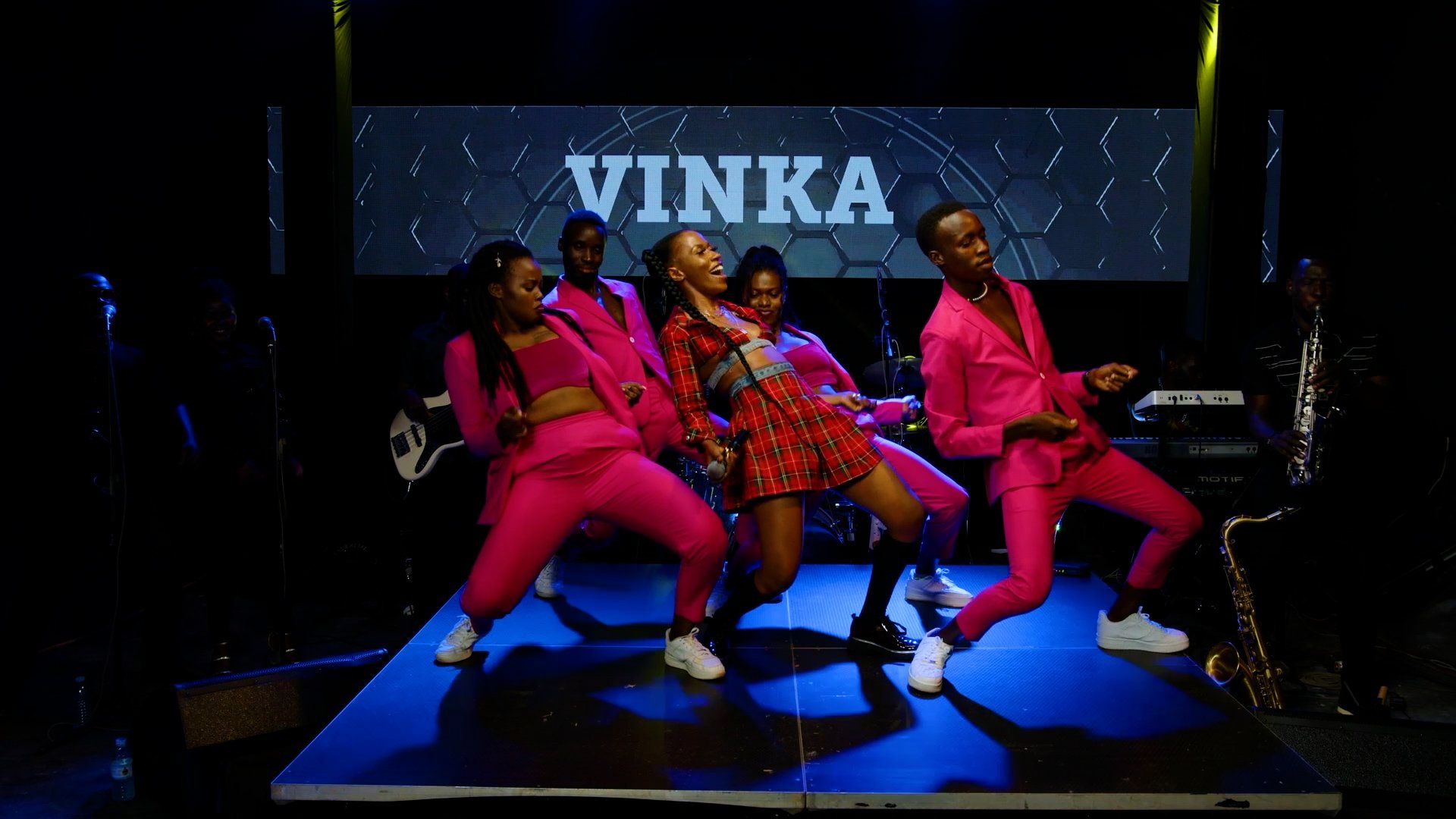
Vinka for Music for Wildlife | Wild Africa
Africa is the last stand for wildlife.
That is how Peter and Corie Knights describe the continent they have devoted their lives to protecting — one of the last places on Earth where large animals still exist in meaningful numbers, and where the future of elephants, rhinos, and countless other species will be decided.
After more than two decades leading WildAid, the global conservation organization they helped build into a force for demand reduction across Asia, they chose to focus this next chapter of their lives on Africa. Their new venture, Wild Africa, aims to become the continent’s leading conservation communicator by engaging millions through culture, media, and influential African voices.
From Undercover Investigations to Shifting Global Demand
Peter entered conservation unexpectedly. “I left London School of Economics with an economics degree, not really knowing what I wanted to do,” he recalls. An early role with Greenpeace — “building a hospital in Norfolk for treating seals” — awakened him to broader environmental issues.
One statistic changed everything for him: “Between 1975 and 1990, the African elephant population halved, largely as a result of legal ivory trade that was supposed to be regulated to be sustainable, but wasn’t.” He believed that “if people around the world understood that the African elephant population had halved in 15 years, they’d be pretty upset and disturbed by it.”
That conviction led him to the Environmental Investigation Agency, where he worked undercover on the wild bird trade and later on rhinos, elephants, bears, and other species trafficked into Asian markets. Working at both ends of the supply chain made one truth clear. “My conclusion was that we wouldn’t be able to address this unless we address the demand side of things,” he reflects.
Much of the demand came from misunderstanding. “Genuinely they did not understand the process that was going on,” he says of consumers in Asia. “And when they did, they actually did care.” He and his colleagues launched demand-reduction campaigns using advertising and well-known cultural figures. “They weren’t being killed willy-nilly,” he explains. “It was because somebody wanted the ivory or somebody wanted the bear gallbladder or somebody wanted the rhino horn.”
Partnerships with Asian governments unlocked massive reach. “We reduced the price of rhino horn by about 70 percent, elephant ivory by about 70 percent, and the quantity of shark fin going in was down by 85 percent,” he notes — a rare case where public education reshaped an entire market.
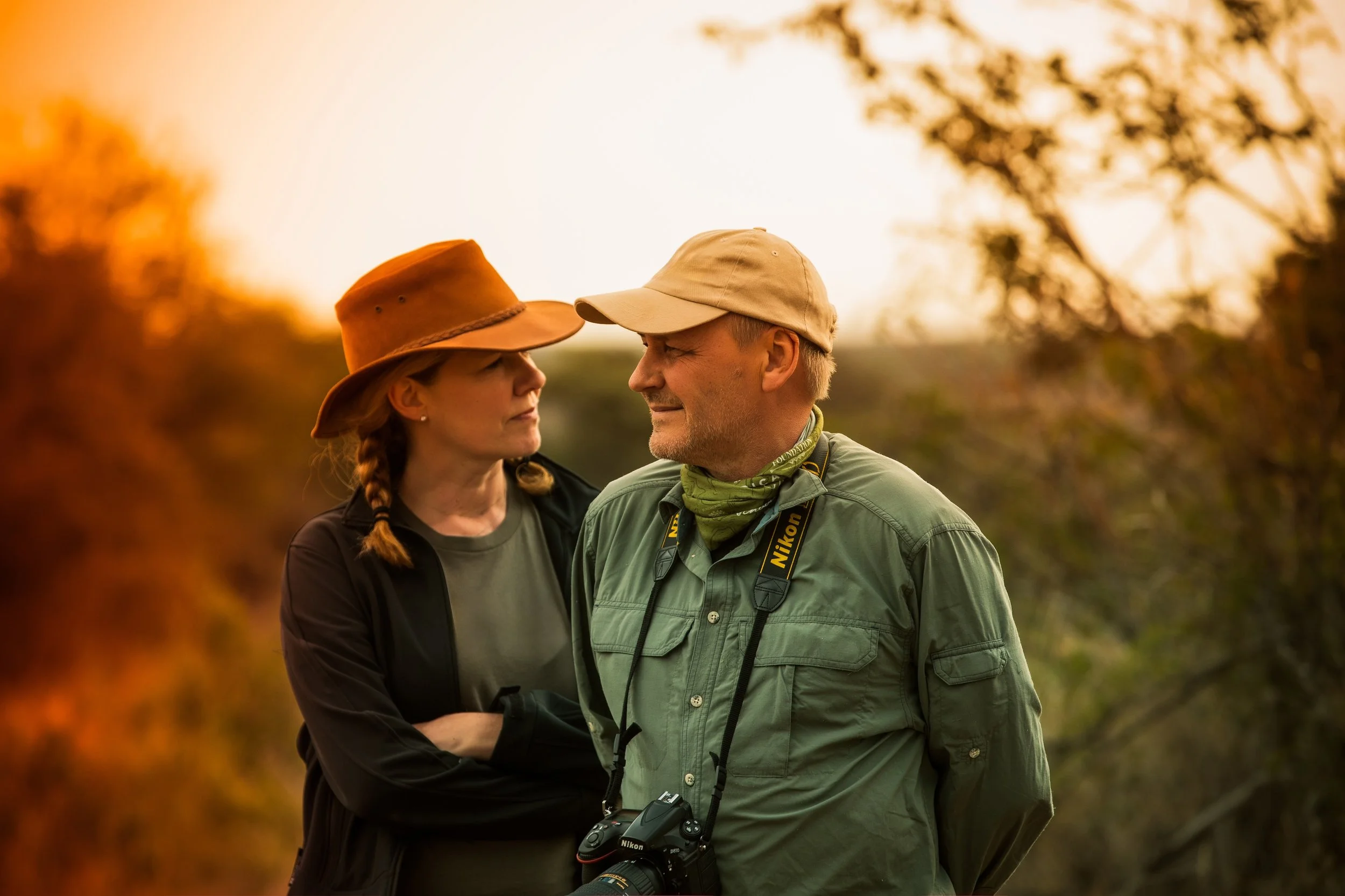
Corie and Peter Knights in Africa | Wild Africa
A Partnership Rooted in Passion and Purpose
Corie’s path into conservation grew from a lifelong passion for wildlife. She volunteered throughout her youth but stayed in the same job after college until “a major life change” pushed her to commit fully to the work. When she met Peter, he was just starting WildAid. “We built that organization together,” she says. “He was the founder, but I helped him raise tens of millions of dollars for that organization.” She launched WildAid’s corporate partnerships, its expedition program, and its first gala events — work she describes as “an incredible journey on so many levels.”
Africa deepened their commitment. After decades of travel — often more than 65 trips each — the decision became clear. “We fell in love with the continent, with the people, with the wildlife, with the wild open spaces,” Corie reflects. Stepping away from WildAid after 23 years, they felt their next chapter was “to help protect what was left in Africa.”
Wild Africa was born three years ago. Today, the organization has an all-African team operating across multiple countries, with Peter and Corie coordinating from California alongside their colleague Amanda, who supports U.S. operations.
For Corie, the work carries deep emotional resonance. “On a spiritual level, it moves you in a very deep way,” she says. “We’re all in tears in the jeep, in the presence of a herd of elephants.” She wants more people to experience that feeling — “to be rewilded,” as she puts it — calling it “one of the most beautiful experiences left on the planet.”
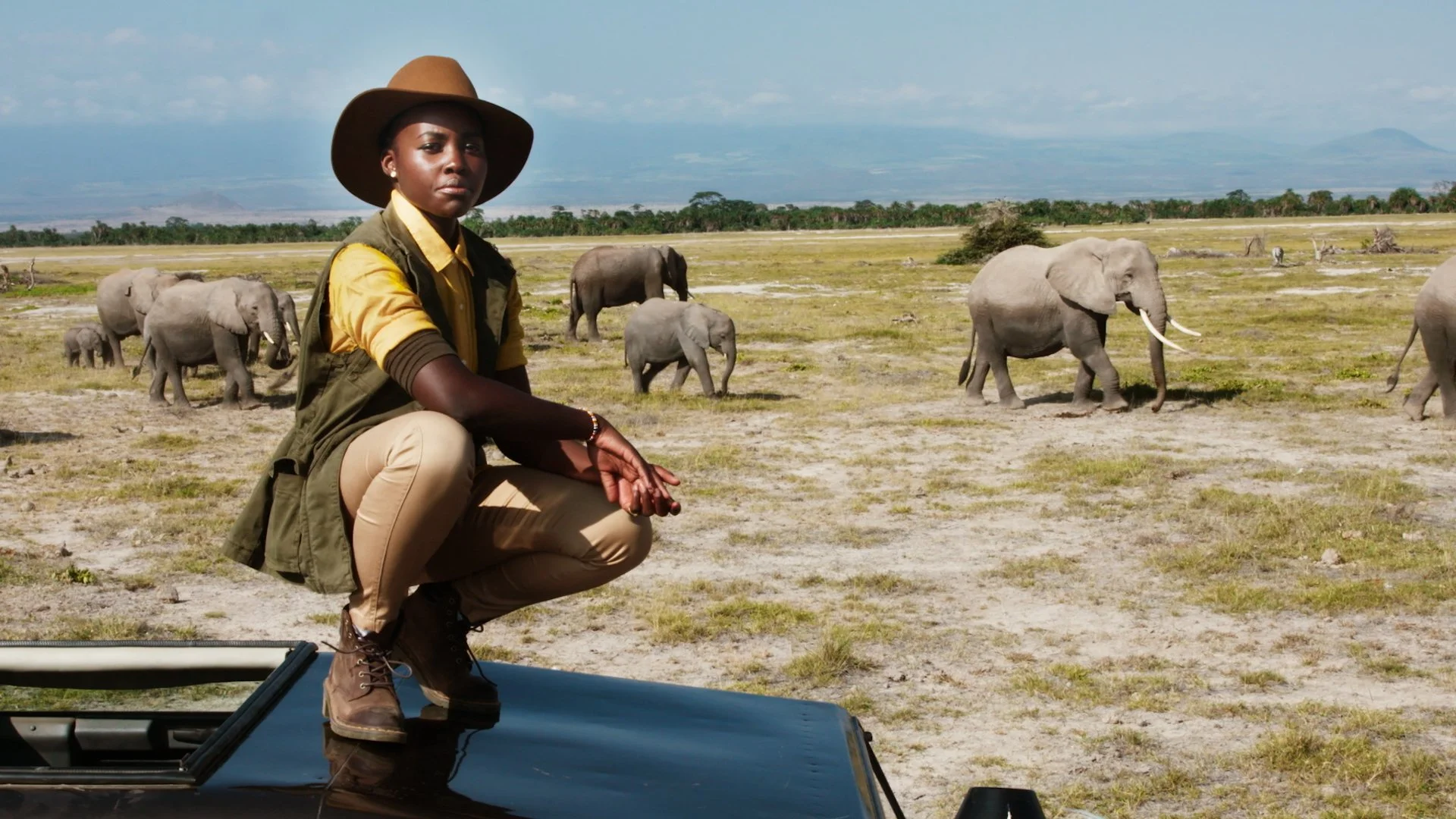
Lupita Nyong'o for Wild Africa
Culture as a Catalyst for Conservation
Their strategy in Africa mirrors the approach that proved so effective across Asia: meet people where they already are.
“We’re trying to promote conservation within Africa for Africans and by Africans,” Peter explains. “They’ve always cared about it, but nobody’s actually asked them to do anything about it. I see us as providing a soapbox for passionate Africans to talk about their wildlife and their concern for their wildlife.”
Wild Africa now works with more than 200 ambassadors, many of whom are thrilled to participate and lend their influence to conservation. To maximize impact, the team films short, reusable messages that can be captured quickly in studios or on location.
Music is a powerful entry point. Their Music for Wildlife project films mini concerts with top African musicians, weaving environmental messages throughout. “It’s a half-hour concert, but it has about four or five minutes of wildlife,” Peter explains — “microdosing people on wildlife” while reaching audiences who might never watch a traditional documentary.
Their magazine-style TV program, also named Wild Africa, extends the reach further. “It’s a magazine show, kind of a bit like 60 Minutes,” Peter says. Each episode highlights an unsung conservation hero and includes studio interviews, field reports, and introductions to wildlife and ecosystems. A recurring message is economic: as Corie notes, “One elephant’s life is worth one million dollars in its lifetime in tourism revenue.”
“The poaching isn’t even just about a poor animal,” Peter adds. “It’s also part of your country’s economy that’s being destroyed, and your natural heritage. It’s sabotage, effectively.”
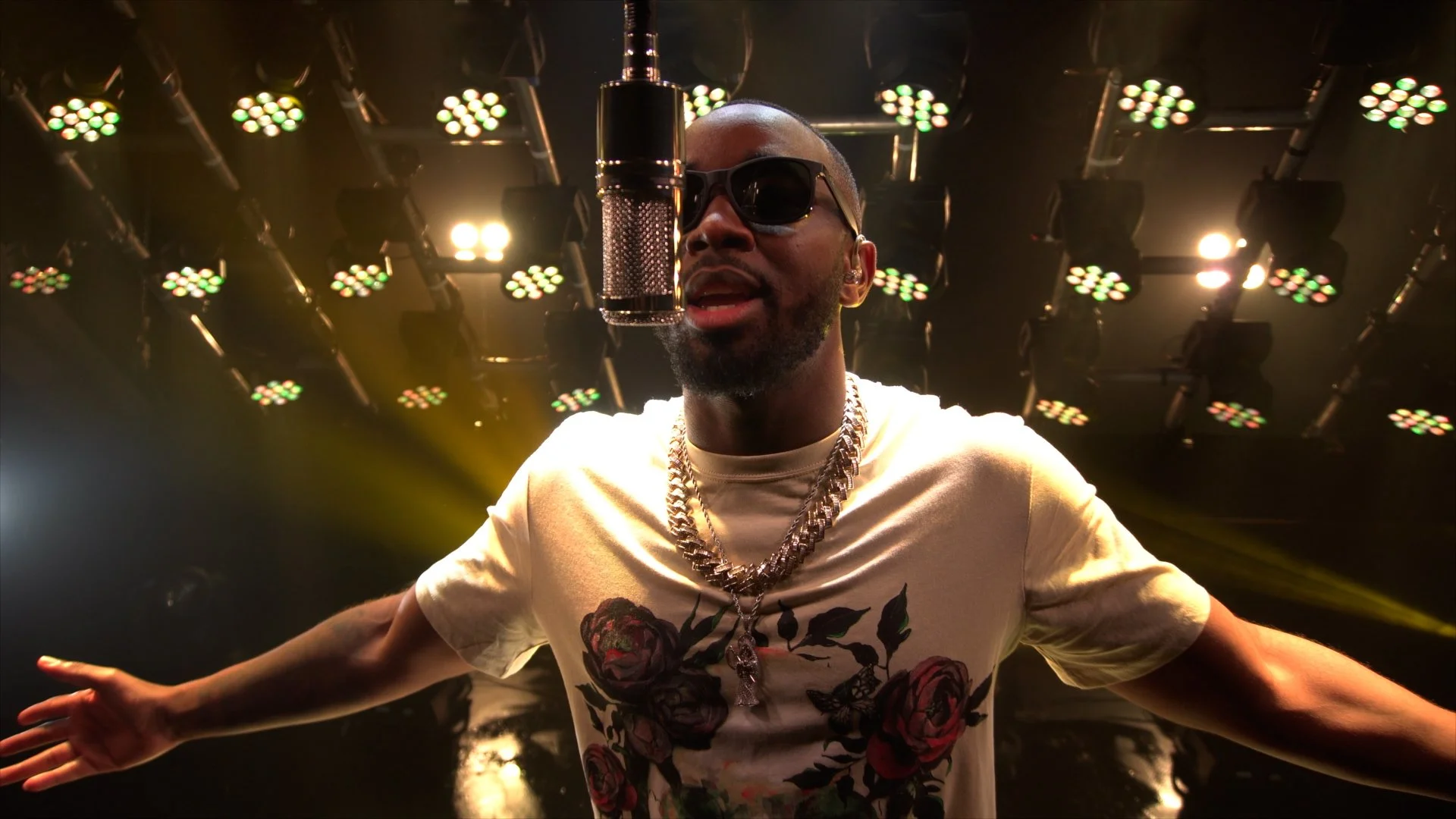
KP Illest for Music for Wildlife | Wild Africa
Partnerships Across Governments and Regions
Wild Africa collaborates with park authorities and government agencies across Zimbabwe, South Africa, Kenya, and beyond. “They’re receptive,” Peter says. “We do something they can’t do themselves. They realize they need public support.”
Across the continent, the challenges are strikingly consistent: poaching for commercial trade, illegal bushmeat, human–wildlife conflict, and habitat loss. Because Wild Africa operates in multiple countries, the team can spread solutions as well as stories. “We’ve taken models that have worked in one country and brought them to another,” Peter explains.
Their communications toolkit is intentionally built for scale. “Our goal is to do the whole of sub-Saharan Africa,” he says. “You build this media package, this campaign, and you can take a lot of it with you to the next country and then add some local ambassadors and content.”
Why the World Should Care
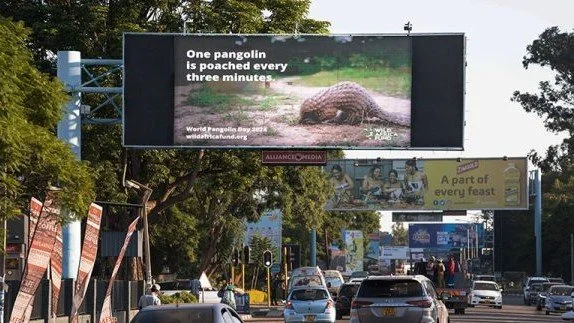
Wild Africa Billboards
The ecological reality behind their work is stark. “Africa is really the only continent that has large numbers of large animals left anywhere on the planet,” Peter notes. “Africa is really the last hope.”
He illustrates the imbalance clearly: before agriculture, humans made up 0.01% of the biomass of mammals; today, counting people and domestic animals, we account for 98%. Wild mammals represent just 2%. “That, to me, is crazy,” he says. “It’s so out of balance.”
Corie is direct about what is at stake. “If these animals disappear, in my opinion, humanity is lost,” she says.
Africa’s population is expected to double by 2050, while conservation funding contracted dramatically this year as Elon Musk’s axing of US AID hit home. “The cuts that were done have hugely impacted Africa,” Peter notes. “Conservation lost about 12% of funding globally.”
All of this makes building a public movement essential. “We really need a strong constituency in Africa of people passionate that this is a priority,” he says.
Travel can play a role. “Visiting Africa is one of the most peak experiences you can have in your life,” Peter adds. “You’re supporting those economies, you’re supporting the people, and you’re supporting, ultimately, the conservation of those animals.”
Wild Africa’s work blends storytelling, media, culture, and community leadership — all toward one noble goal: ensuring that Africa’s last great wildlife strongholds endure for generations to come.
Those who want to support the effort can learn more or contribute directly at wildafrica.org/donations.
At Conspiracy of Love, we help changemakers tell their most powerful stories — stories that inspire action, build movements, and create lasting impact.
Find out more about our Values-Driven Storytelling and GPS to Purpose workshops, and how we can help you scale your impact.