Why Kamala Avila-Salmon Believes Inclusive Stories Are The Future Of Blockbusters
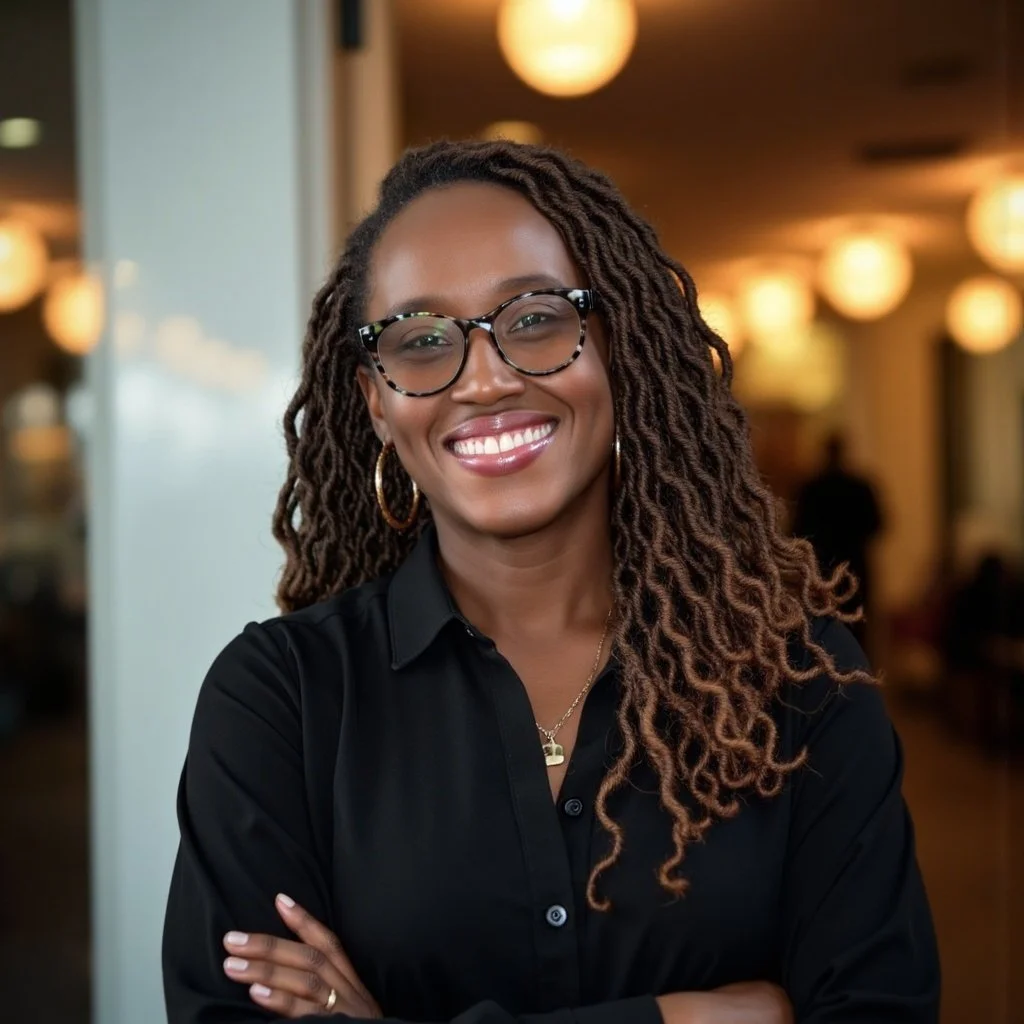
Kamala Avila-Samon
What happens when inclusion is treated not as a separate initiative, but as a creative advantage, an audience strategy, and a business imperative?
That is the throughline of Kamala Avila-Salmon’s career and the foundation of the Kas Kas production company she is building now. A 2024-2025 Obama Foundation USA Leader, she has spent the past decade moving across the most influential intersections of modern entertainment — music, studio marketing, tech platforms, and major film slates — building a rare perspective on how stories are developed, sold, and scaled.
“Today, she is applying that full arc to a new mission: to build a pipeline of compelling, entertainment-first projects — and to prove that most original and commercial stories come from voices the industry has historically overlooked.”
Avila-Salmon was born in Jamaica, raised in New York, and moved to Los Angeles about 12 years ago. But the roots of her inclusion ethos are not corporate. They are personal.
She recalls being “a Cosby Show, kind of a kid.” When her parents first immigrated to the U.S., that show helped her family feel “more seen” and “more sort of valued.” That memory sits at the emotional center of her career. It revealed what representation can do long before she had the words for how an industry is built around assumptions of who counts as mainstream.
This early belief that stories shape self-worth matured into a professional calling. “Storytelling is the most effective canvas that we have for broader cultural change,” she reflects.
A first education in culture
Her early career began in the music business in New York. Coming from a family of immigrants, she knew the traditional script of what she was supposed to consider. She even applied to and got into law schools. But she asked her parents for one year to try the industry she was passionate about.
Music taught her how cultural influence is built. She was drawn to the craft and the machinery behind it. She wanted to understand “how you find talent, how you develop talent, and then how you support talent and getting their voice into the world.”
When digital disruption reshaped the industry, she became fascinated by how institutions react when the ground shifts. That curiosity led her to business school.
Learning Hollywood’s invisible rules
During business school, she reconnected with storytelling and moved to Los Angeles to “pierce that veil.” She started at a talent agency and then joined a leadership development program at NBCUniversal, rotating through Universal Pictures and Focus Features.
Her time in marketing and publicity gave her a front-row seat to how the industry frames universality, and how that framing quietly dictates scale.
She names the contradiction directly. “The narrative is that a movie about a white character is for everyone by default, it is universal,” she observes. But movies “about black characters or South Asian characters or Latin characters are only for those audiences.”
She notes that this is not an audience law. It is an industry habit. “There’s nothing that would make that organically true.” Instead, “it is true by habit. It is not true by design.”
Her later roles in television marketing at NBC and then in tech, including YouTube TV and Facebook Watch, expanded her view of how distribution shapes power. But the deeper throughline remained constant.
“If we can change the people that are making the decisions about what we get to see and who it’s marketed to, then we could actually change the stories that make it to people,” she argues.
Why inclusion is not a side department
That principle came into sharp focus at Lionsgate, where she became Head of Inclusive Content. The job asked her to bridge creative, marketing, and process. Her method was systemic rather than symbolic.
Avila-Salmon is proud that “every single script and project that we considered was considered through the lens of inclusion.” The goal was to ask how each story could reach further, resonate wider, and reflect the world moviegoers actually come from because this was the best thing for the business, embedding this thinking into across the slate.
She also resists the idea that inclusion is a moral add-on detached from craft and growth. “A lens on inclusion is a creative lens. It is also a financial and marketing lens. It’s an audience-focused lens,” she emphasizes.
And she backs that up with a hard commercial reality. “30 to 40% of frequent moviegoers are Hispanic and BIPOC moviegoers overall bought the majority of opening weekend, domestic tickets for 7 of the top 10 films of 2024 ”
The leap into producing
After four years at Lionsgate, Avila-Salmon felt she understood the “alchemy of greenlight.” She had built relationships with writers, directors, producers, and representatives and often found herself translating the logic of studio decision-making for creatives who were navigating a system that can feel opaque.
Launching her production company became a way to bring insight and advocacy into the work itself.
She describes the company’s focus as stories at the intersection of culture and commerce — films and series built for reach, scale, and broad entertainment value. Great stories that originate from or center underrepresented voices are not niche, but instead offer fresh, original, high-concept ideas the marketplace has historically under-supplied and where there is demonstrated high demand as shown in recent hits like SINNERS, ONE OF THEM DAYS, and Netflix’s series, “Forever”.
Her first produced thriller, THE GATES, directed by John Burr and starring Mason Gooding, Algee Smith, Keith Powers, and James Van Der Beek, is expected in 2026, reflecting her genre-first approach to scaling inclusive storytelling. But the more important takeaway is her strategy, not her slate list. Commercial genres like horror, thriller, and rom-com are the invitation. Inclusion is the redefinition of who gets to be at the center once the door is open.
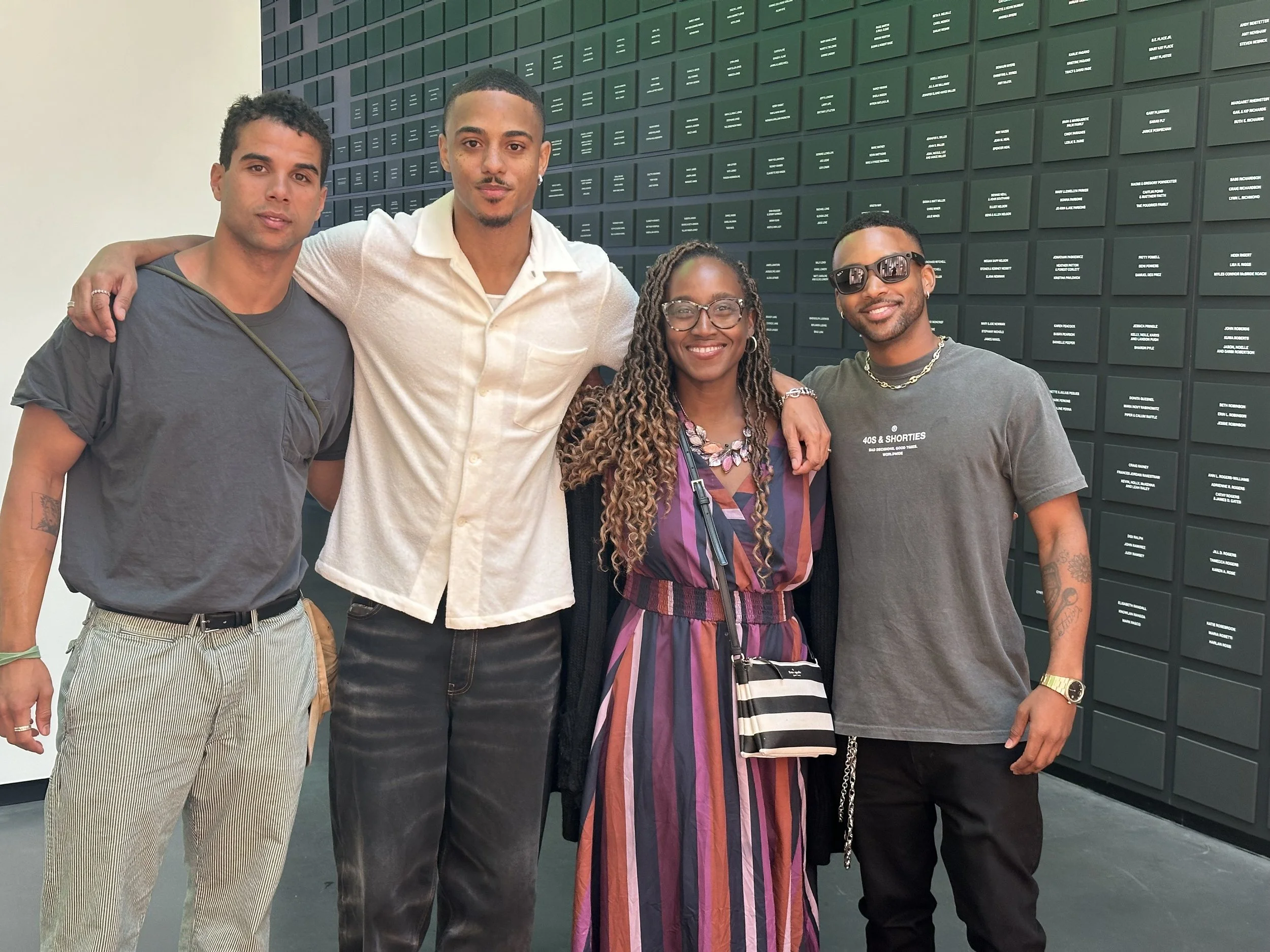
Kamala and some the cast in front of the Greenwood Rising Museum in Tulsa, OK where the film was shot | Kas Kas Productions
Reclaiming impact
Avila-Salmon also acknowledges the shifting mood around values-led storytelling. “Impact has become for some people like a bad word,” she notes.
But she refuses the idea that storytellers can opt out of consequence.
“Stories are always how humans learn how to be more human.”
That line captures the heart of her worldview. It is not a plea for didactic cinema. It is a call for intentionality and courage in what gets financed, who gets trusted, and which audiences are assumed to be the default.
The future she is building
Avila-Salmon’s career makes a clear case that inclusion is not competing with blockbuster ambition. It is fueling it.
Her critique of old industry habits is also an invitation to imagine a more accurate, more expansive definition of universality. One that reflects who audiences already are, and who they have always been.
Inclusive stories are not a niche lane.
They are the future of blockbusters.
At Conspiracy of Love, we help changemakers tell their most powerful stories — stories that inspire action, build movements, and create lasting impact.
Find out more about our Values-Driven Storytelling and GPS to Purpose workshops, and how we can help you scale your impact.