Rowen: The Giant Botanical Puppet Reimagining How Cities Like New York Could Green - And Grow
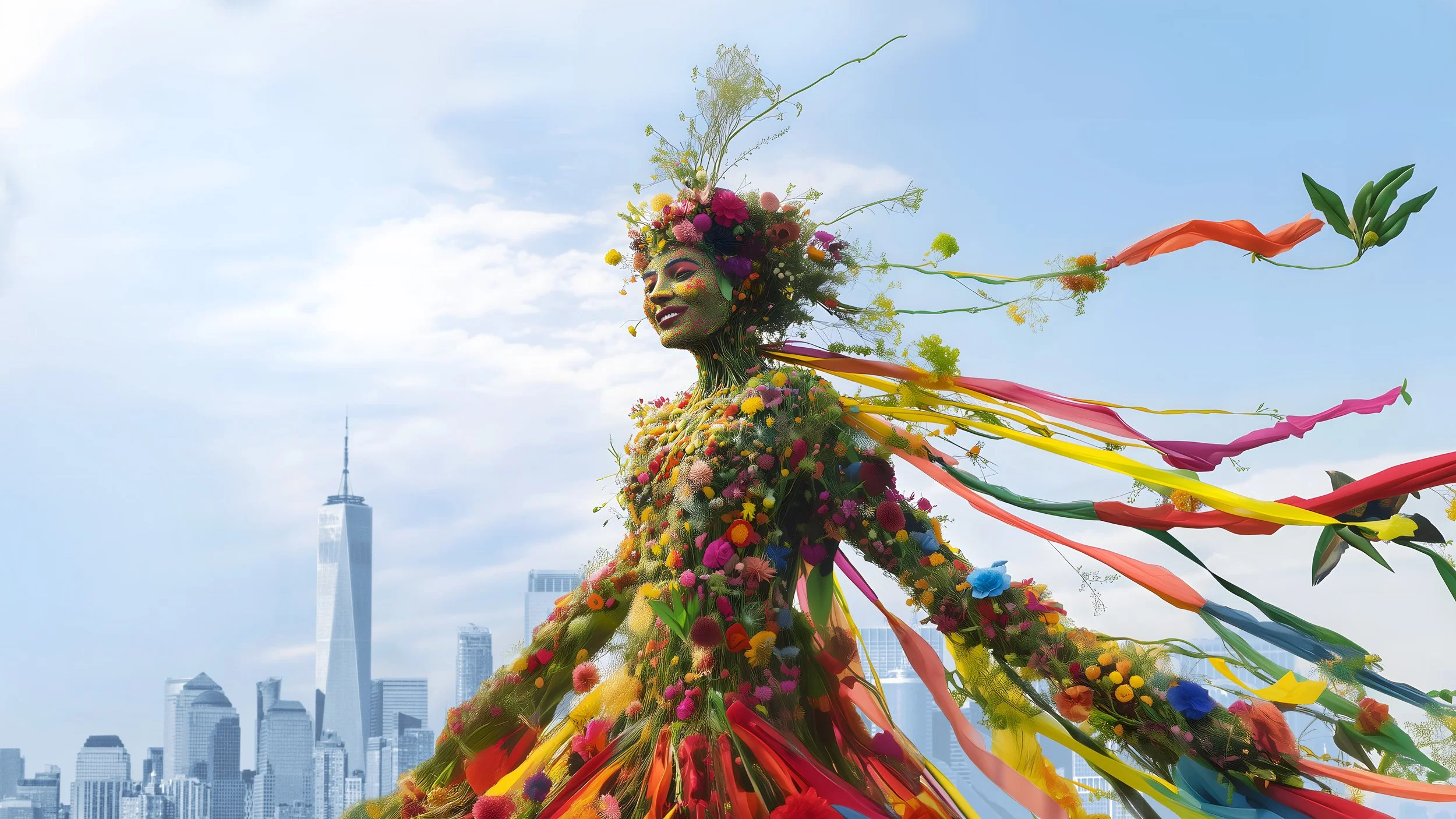
Meet Rowen, a large-scale botanical puppet made from native plants that travels through all five boroughs, then gets planted as a permanent garden. | Conceptual Render © TALISMAN 2025
What if the next great piece of urban infrastructure in New York City didn’t rise from steel or concrete — but grew from seeds, soil, and story?
What if a single mythic character could catalyze the creation of dozens of new green spaces across all five boroughs, turning the city’s most overlooked land into thriving gardens, cooling corridors, and community sanctuaries?
And what if this wasn’t fantasy, but a blueprint — ready to come to life the moment the right philanthropic, civic and corporate partners say yes?
Every so often, a city receives an idea so imaginative, so unexpected, that it feels like a myth arriving at precisely the moment it is needed most. New York City — a metropolis searching for new ways to cool its streets, nourish its communities, and reignite civic imagination — may be standing at the edge of one of those moments.
That idea is Rowen, a large-scale botanical puppet made from native plants that travels through all five boroughs, then gets planted as a permanent garden. It’s designed to become a new kind of urban infrastructure: a human-manipulated sculpture that uses story, spectacle, and beauty to spark the transformation of vacant lots into flourishing green spaces.
Rowen has not yet taken shape on the streets of New York. It lives, for now, in drawings and prototypes, in the imaginations of the artists and scientists behind it, and in the hopes of neighborhoods that may one day welcome it. But the possibility it carries is enormous — and it is now seeking the philanthropic and corporate partners bold enough to help bring it to life.
Rowen began with a single word that held an entire philosophy: rowen, an agricultural term meaning the second growth after the first harvest. “That definition became our north star,” says creator Jacob Kemp, whose world-class TALISMAN design and innovation studio works with brands such as Hermès, Google and Equinox Hotels. “What is already trying to grow? What are we not seeing?” The theme of aftermath — the prompt for a data-driven creative competition — suddenly transformed into a vision for renewal. For Kemp, it resonated with a truth about New York: that beneath the cycles of disruption and reinvention, the city still contains soil for second growth.
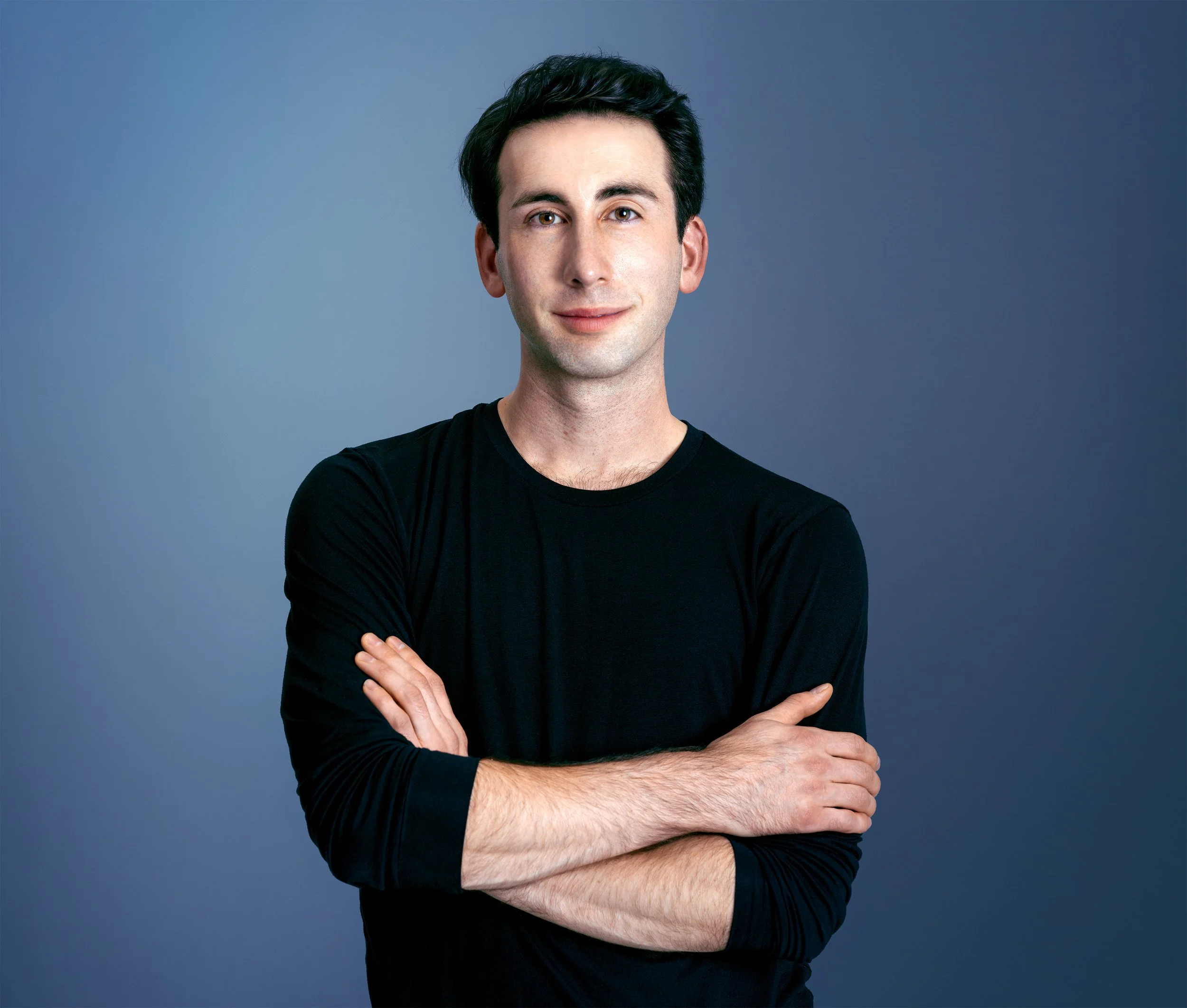
Rowen Founder and Creator, TALISMAN Founder and Chief Creative Officer Jacob Kemp | Bek Andersen
The idea took on urgency when Kemp encountered an NYC Open Data set mapping city-owned lots suitable for urban agriculture. These spaces, scattered across the five boroughs, told complex stories of displacement, foreclosure, fire, and neglect — but also contained the seeds of what could come next. “Communities remember what was there before,” Kemp notes. “So we ask: What wants to grow here now? What would it mean to support, not impose?”
Yet Kemp understood that data alone wouldn’t galvanize action and spurred him to think about how his work brings together worlds (theater, design, environmental justice, civic infrastructure) that don’t usually interact. “Facts alone do not change the world — story does,” he says. “A statistic can’t welcome you to a space. But a puppet can.”
Rowen became the vessel for that story — a monumental, living sculpture built from flowers, seeds, and native plants. As it moves through neighborhoods, it invites people to see the land beneath their feet differently. A vacant lot becomes an opportunity. An ignored corner becomes a future garden. A once-forgotten block becomes a place for food, shade, gathering, and pride. “The puppet is spectacle, yes,” Kemp reflects, “but spectacle in service of transformation. The puppet walks for one year. The gardens grow for generations.”
The city itself is ready for this next chapter. In May 2025, New York announced a $30 million commitment to converting abandoned lots into green spaces as part of its Vital Parks for All initiative. Leaders within NYC Parks’ GreenThumb program have similarly emphasized the need to reactivate dormant gardens and strengthen those struggling to survive - and are in developmental discussions with the Rowen team already.
Rowen aligns naturally with these priorities, offering a creative, community-centered way to re-engage residents and reimagine neglected land. From identifying a lot, the event ecosystem, Rowen’s visits, activations, to community mobilization, design, revitalization, and ongoing stewardship, it’s an end to end engagement platform. “Rowen invites people into a story they begin by watching, but ultimately help create,” Kemp says. “The vacant lot becomes a garden. The garden becomes a gathering place. The gathering place becomes community infrastructure.”
Across New York City, each borough faces distinct environmental challenges that Rowen is designed to solve: the Bronx battles extreme air pollution and asthma rates; Brooklyn faces worsening flooding, heat islands, and food deserts; Manhattan struggles with high carbon emissions and limited green space; Queens endures airport and industrial pollution alongside cultural barriers to healthy food; and Staten Island confronts food insecurity, transportation gaps, and coastal climate risks. Rowen’s approach transforms vacant lots into green, community-centered infrastructure—gardens, pocket forests, bioswales, rooftop farms, and resilience hubs—that clean the air, manage stormwater, reduce heat, expand food access, and strengthen climate resilience across all five boroughs.
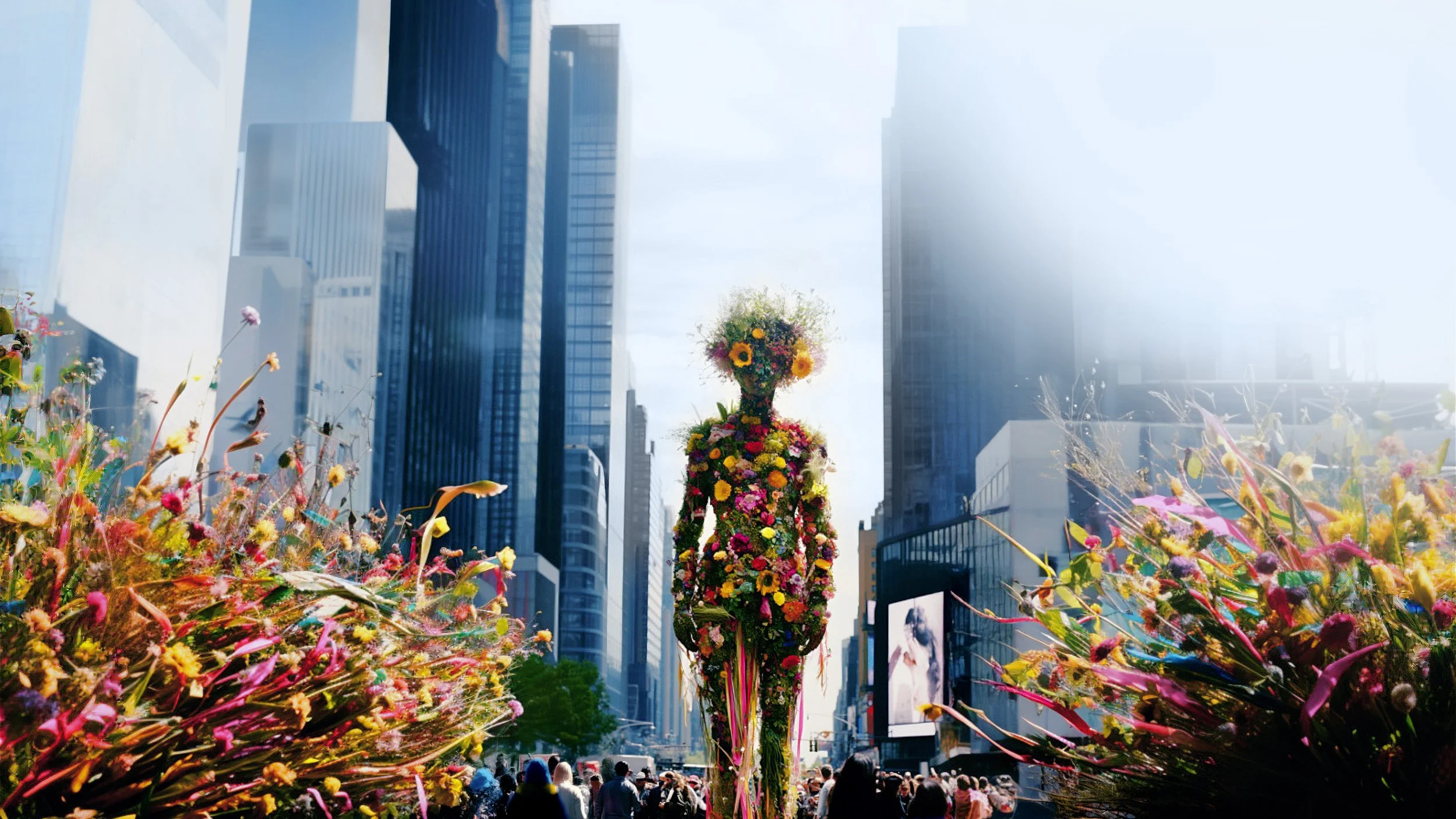
As Rowen moves through neighborhoods, it invites people to see the land beneath their feet differently | Conceptual Render © TALISMAN 2025
Rowen is guided by a distinguished group of strategic advisors whose expertise spans climate justice, public health, decarbonization, cultural leadership, nonprofit strategy, government relations, and sustainability research. The advisory group includes Hehewutei “Cody” Amakali, Founding Principal of Eco/Social Futures Collaborative; Dr. Isabel Chen, Associate Professor of Health Systems Science at Kaiser Permanente Bernard J. Tyson School of Medicine; Jennifer Downing, Operating Partner at Ara Partners; Earth Regeneration Alliance, regenerative strategy; Eric Gershman, Principal Consultant at Eric Gershman LLC; Jessica Gorman, Founder of Alleyoop Advisory; Jonathan Jarrett, Senior Associate, Community and Business Development at JPMorganChase; Katie Liberman, Executive Director of Trinity Repertory Company; Kevin Rutkowski, Principal Director at Good People; Pamela Shainhouse, Founder of The Shainhouse Group; Kyle Sircus, Head of North America for TodayTix Group; Jeremy Tamanini, Founder of Dual Citizen; Benjamin Von Wong, artist and activist; and Joseph Wallerstein, Harvard College Fellow in Sociology — a collective whose breadth of leadership ensures Rowen’s vision is grounded, actionable, and primed for long-term civic impact.
For Kemp, Rowen also represents the fullest expression of his artistic and strategic practice. “Every project I take on is an act of character building,” he explains. “Rowen isn’t a departure — it’s everything I’ve learned, scaled to the size of a city.”
Even with its artistic ambition, Rowen is fundamentally a civic intervention. Through a nonprofit structure established with the Social Impact Fund, philanthropic and corporate investment will flow directly into community outcomes: food-producing gardens, environmental education, green job pathways, improved air quality, and more resilient neighborhoods. TALISMAN’s expertise spanning storytelling, brand strategy, and impact design allows the team to speak fluently to ESG goals, KPIs, sustainability commitments, and community investment frameworks. “We don’t see a divide between the creative and the commercial,” Kemp says. “Commerce, art, and social justice aren’t competing forces — they’re collaborators.”
The partners Rowen seeks are those who already operate with long-term vision: brands and companies advancing climate goals, foundations investing in equity and resilience, designers exploring regenerative materials, cultural institutions working at the intersection of beauty and justice. “These are brands that don’t need Rowen to teach them values,” Kemp says. “They need a platform where those values become permanent at urban scale.”
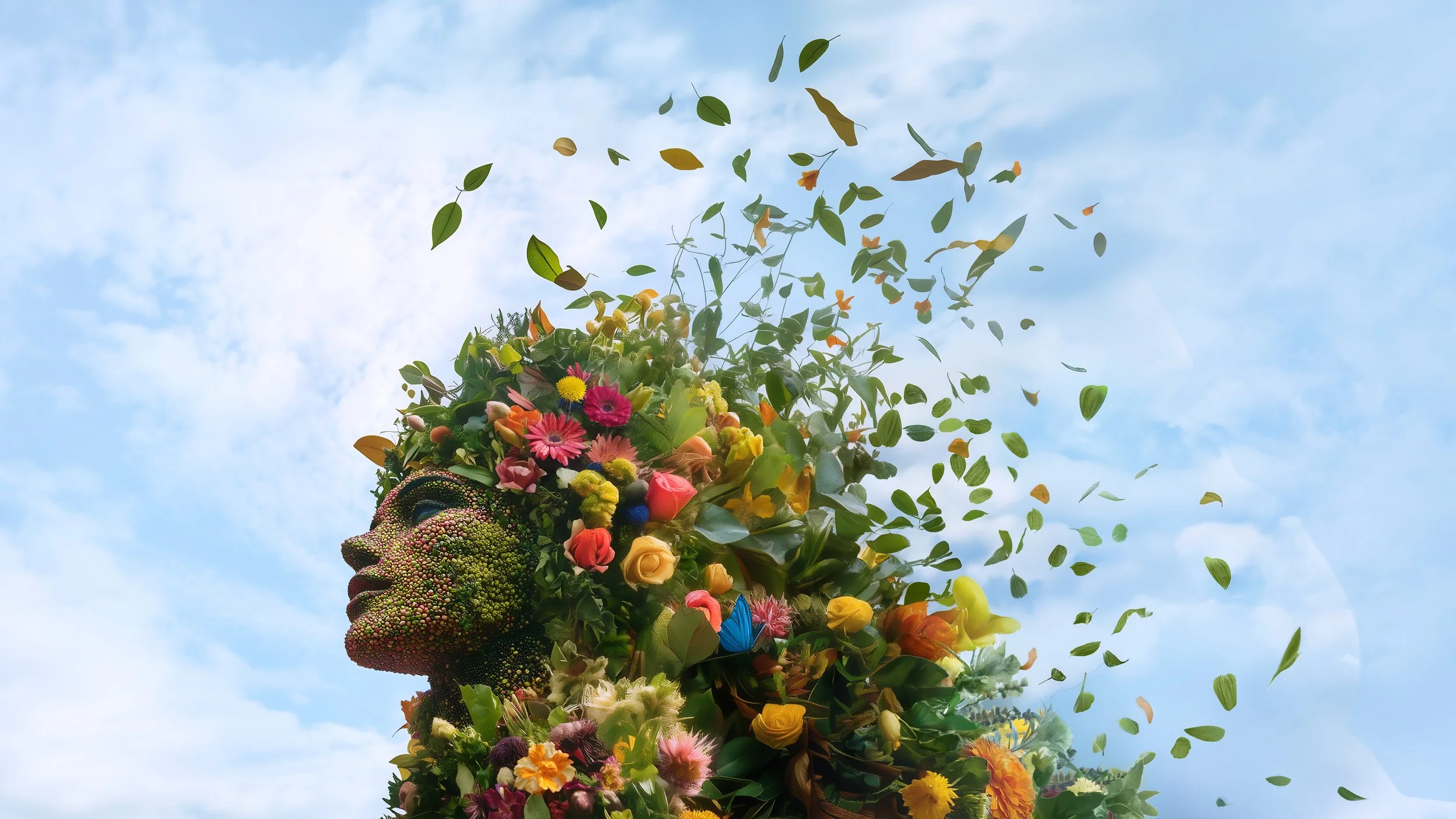
Rowen Close-Up | Conceptual Render © TALISMAN 2025
Today, Rowen stands ready. Its prototype is under development. Its advisors — climate scientists, public health experts, Indigenous knowledge holders, educators, artists — are shaping the model. Conversations with cultural institutions and city leaders are underway. The policy landscape is aligned. The soil, figuratively and literally, is prepared.
What Rowen needs now are the partners willing to believe in something extraordinary before the world can see it. Those who understand that myth can be strategy, beauty can be infrastructure, and imagination can be civic power.
Kemp captures the project’s long horizon with a simple, vivid prophecy:
A child plants seeds with their grandmother in a Rowen garden in 2028. In 2045, that child brings their own child to the same garden and says: “This is where I learned to grow things.”
That’s impact. That’s infrastructure. That’s what we mean by planting in people’s lives.
The world needs visionary leaders like Jacob Kemp, whose audacious moral imagination is only matched by the excellence that his world-class design and innovation studio TALISMAN can deliver.
Rowen is ready to take root.
The question now is who will help this green revolution begin?
At Conspiracy of Love, we help changemakers tell their most powerful stories — stories that inspire action, build movements, and create lasting impact.
Find out more about our Values-Driven Storytelling and GPS to Purpose workshops, and how we can help you scale your impact.