How US United Is Building A Brand For Unity In The United States
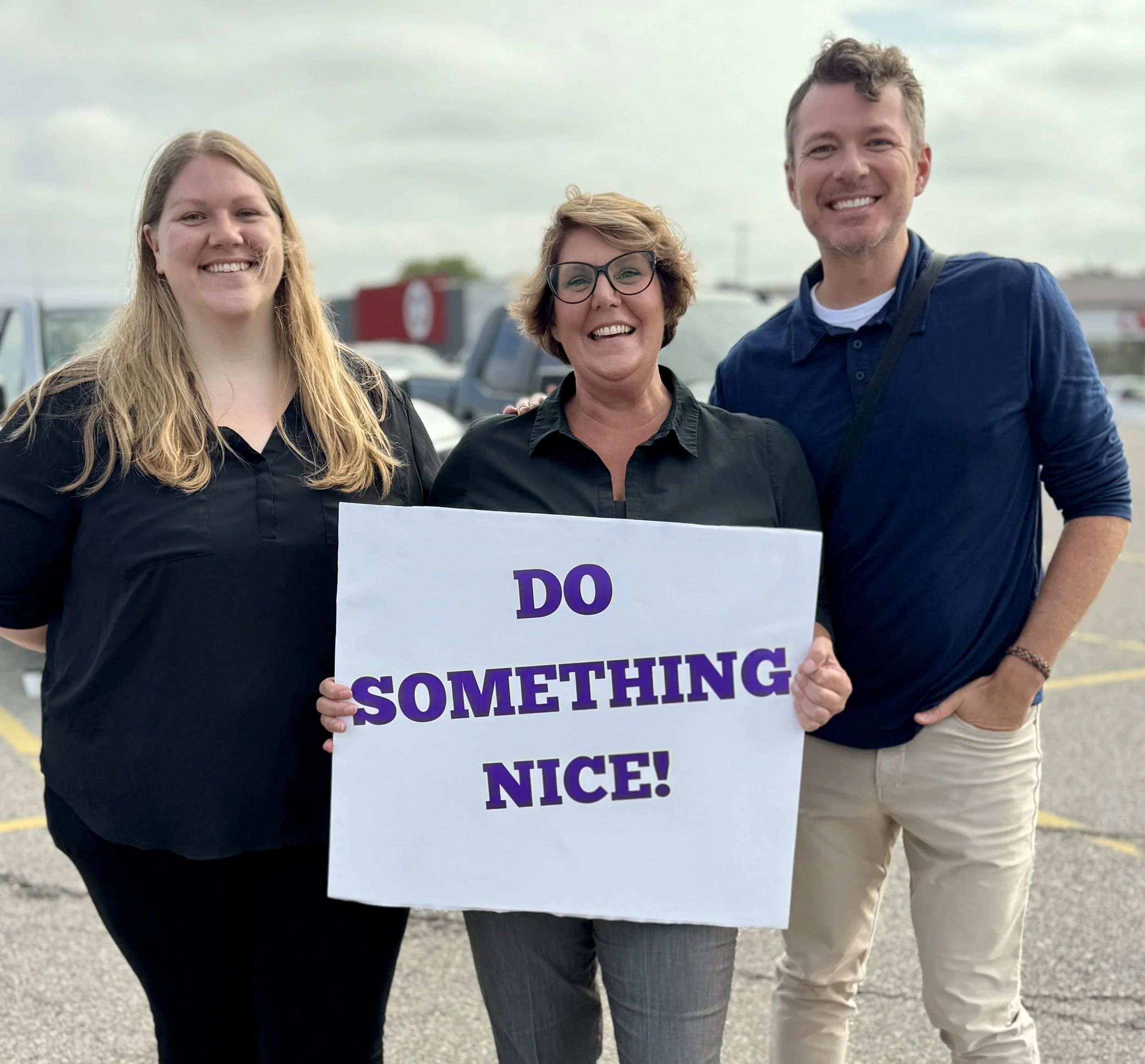
National Unity Day | US United
There are moments when leadership is measured not by force, but by what someone is willing to lay down.
On May 30, 2020, as protests over the murder of George Floyd spread across the country, Genesee County Sheriff Chris Swanson stood in Flint, Michigan, facing a crowd that outnumbered law enforcement 50 to 1. Officers were geared up. Tension was rising. The possibility of violence felt terrifyingly real.
Then Swanson made a different choice.
He took off his helmet, stepped into the crowd and asked, “What do you need us to do?” The answer came back immediately, “Walk with us.”
He did. And, as Swanson remembers it, “Instantly, hate turned to hope.”
That moment went on to be seen by millions of people around the world. It also became the seed of something larger. In the months that followed, Swanson joined forces with entrepreneur and former private equity investor Adam Mizel to build US United, a movement designed to make unity visible, practical and real.
Their belief is simple. If division has become one of the strongest brands in American life, then unity needs a brand of its own.
From outrage to action
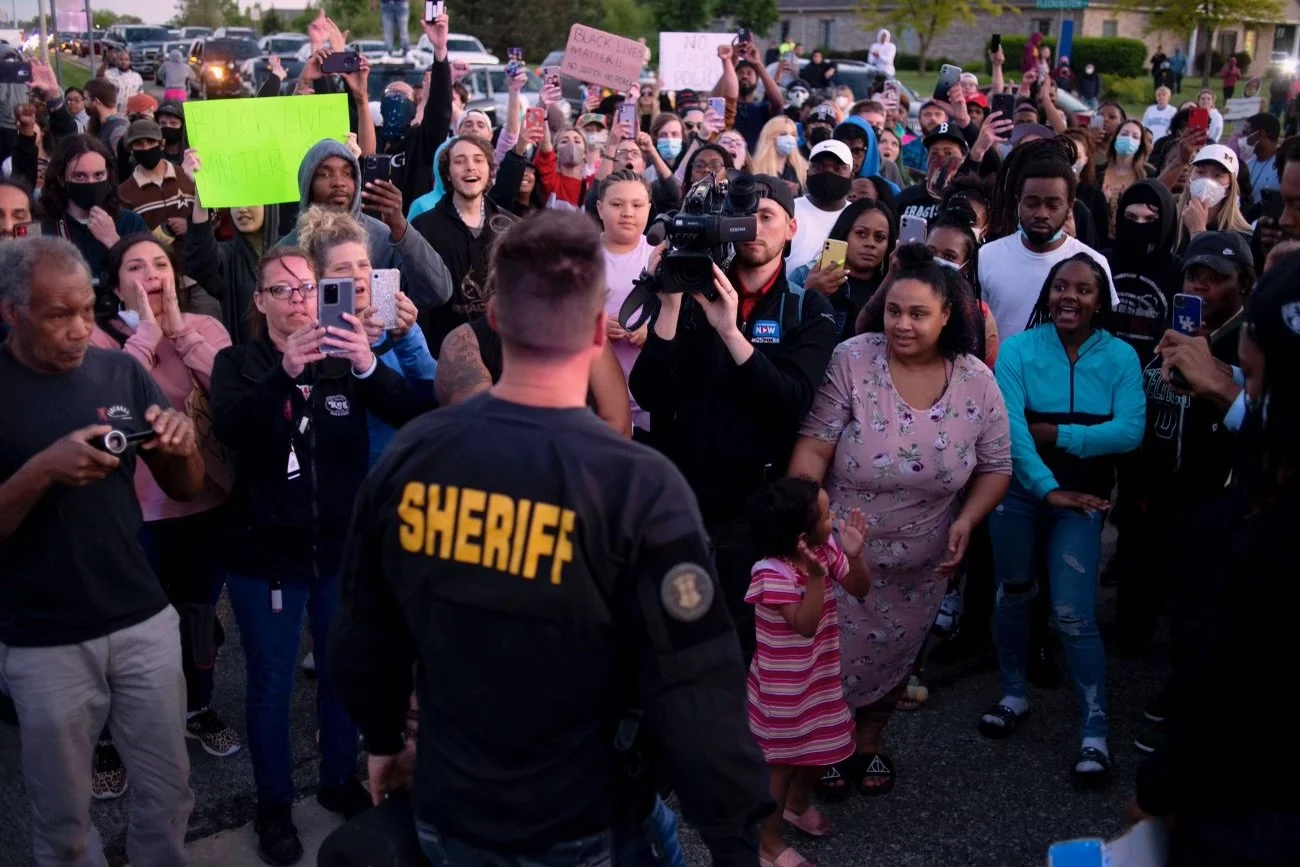
US United is a movement for unity that aims to build bridges and break down barriers in a divisive world. | US United
Mizel did not come to this work from activism. He came from business. For 25 years, he worked in private equity, digital media and entrepreneurship. But in 2020, as the pandemic hit, he found himself yelling at the television as the country seemed to be coming apart in real time.
His wife cut through that with one question, “No one can hear you. What are you going to do?”
That landed.
He knew he could not just make a donation, feel bad and move on. “If people of my background, experience, relationships, don’t give the most valuable resource they have, their time, nothing’s going to change,” he said.
A few months later, he got on a plane to Flint. He and Swanson met, talked, whiteboarded ideas, and quickly realized they were trying to solve the same problem from different angles. Swanson had lived through a moment that showed what unity could look like under pressure. Mizel saw the shape of something that could be built from it.
“We need a movement for unity that gives all Americans the tools that they need to reunite their country,” Mizel said.
Mizel talks about US United as “the brand of unity.” Purple became the color because “red and blue make purple.”
It is a smart way to frame the challenge. Division already has symbols, incentives and constant amplification behind it. Unity is usually treated as a nice idea, but too vague to organize around. US United is trying to change that.
“You need brand. You need storytelling. You need inspiration. You need leadership. You need examples,” Mizel said.
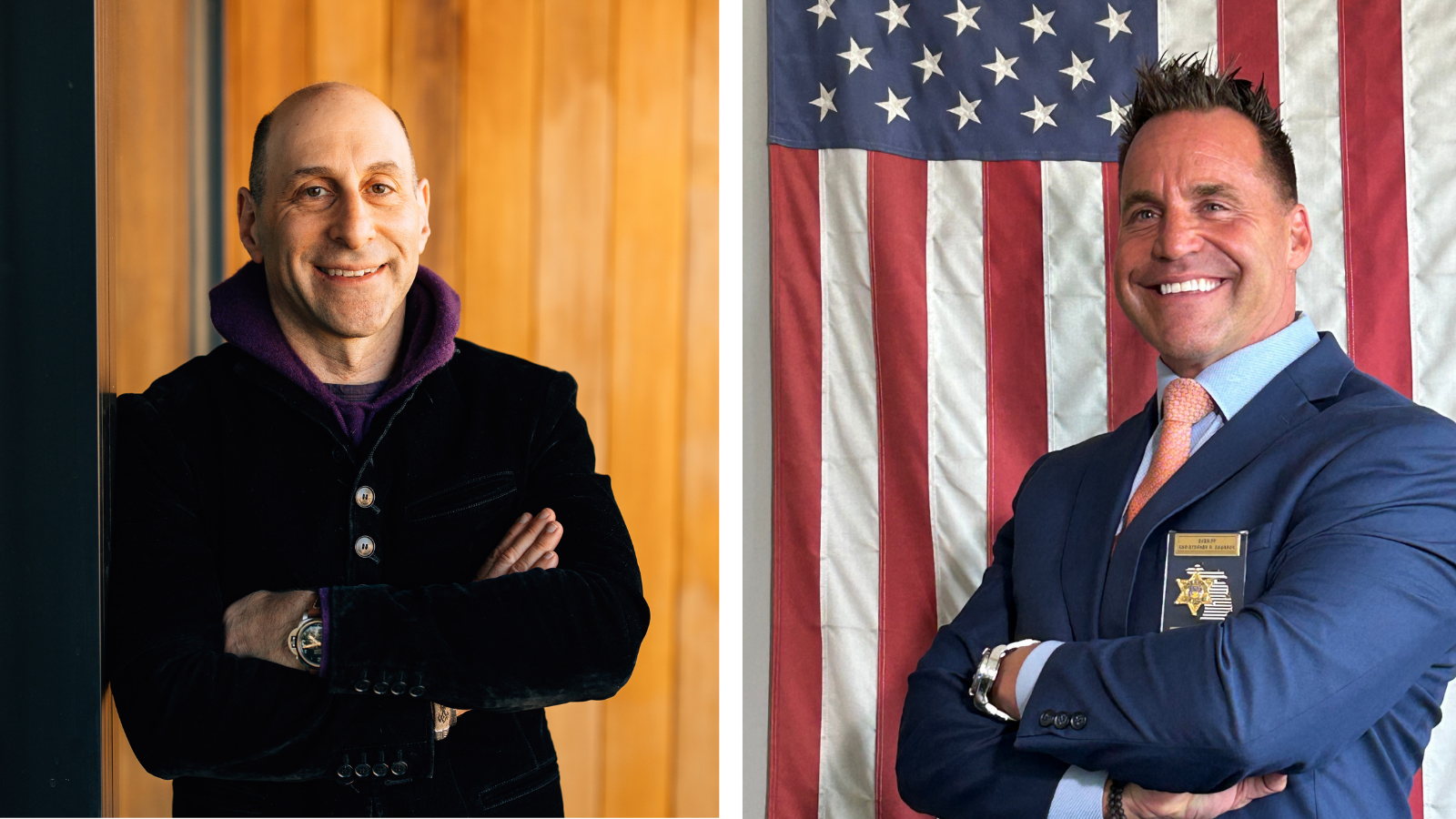
From left to right: Adam Mizel, Co-Founder and CEO; Chris Swanson, Co-Founder and Advisor at US United | US United
Service as a way back to each other
Their first major expression of that idea was the Holiday Spectacular, launched in late 2020. Communities nominate families in need, and sheriff’s offices, churches, charities and local residents come together to help. But what gives it real force is the way service creates contact.
Swanson was intentional about that from the start. He sent white volunteers into Black neighborhoods, Black volunteers into white neighborhoods, richer families into poorer ones. The point was not just to deliver goods. It was to break patterns people rarely question.
“When you see somebody invite people in their house that they would never say hello to at a store, that’s where the magic happens,” he said.
The needs were deeply specific. One family needed a roof fixed in the middle of a Michigan winter. A woman going through chemotherapy needed a hot water heater so she would not have to take cold showers. Someone else needed tires to keep a job. US United asked what people actually needed, then found a way to meet it.
“Are you ever asking someone their view of politics or guns or abortion or wars or anything when you’re volunteering together? No,” Mizel said. “When you get to those conversations, you now have a respect and a relationship with each other.”
That is one of the strongest ideas at the heart of the work. So much of public life now starts with disagreement. US United starts with service. Help first. Human contact first. Respect first. Then maybe a harder conversation has a chance of becoming a real one.
A different picture of America
That same instinct led Mizel onto the road. Last summer, he spent two and a half months driving across America in a purple and white pickup truck, talking with sheriffs in the US United network and with everyday Americans, while filming hundreds of hours of footage for a documentary now in development.
What he came back with was something more grounded than the version of America people are usually sold.
“If you go around America and you ask Americans, they don’t think we’re this divided,” he said. “They think that we’re being manipulated by politics and media.”
That trip also sharpened one of US United’s simplest calls to action, the Unity Pledge. Once a week, post something positive happening in a community.
“If we all do that once a week, we literally change the social media algorithm,” Mizel said.
It sounds small, but that is the point. Feed people outrage all day and outrage becomes the weather. Feed them examples of generosity, courage and connection, and something else starts to come into view.
Making unity feel tangible
US United is also trying to bring that idea into culture more directly through Unity Seats, a partnership with the Martin Luther King Jr. Center for Nonviolent Social Change. At sports games and concerts, great seats are set aside for strangers who would never normally meet. They sit together, share an experience and, more often than not, leave differently than they arrived.
“Unity got me great seats,” Mizel said. “Division, home alone on the sofa.”
There is humor in that line, but also insight. Most people do not change because they are scolded. They change because they experience something.
Swanson saw that again recently after a deadly attack on an LDS church in Michigan. Through Unity Seats, members of the church and first responders were brought together at a Pistons game. In the wake of fear and grief, that shared moment mattered.
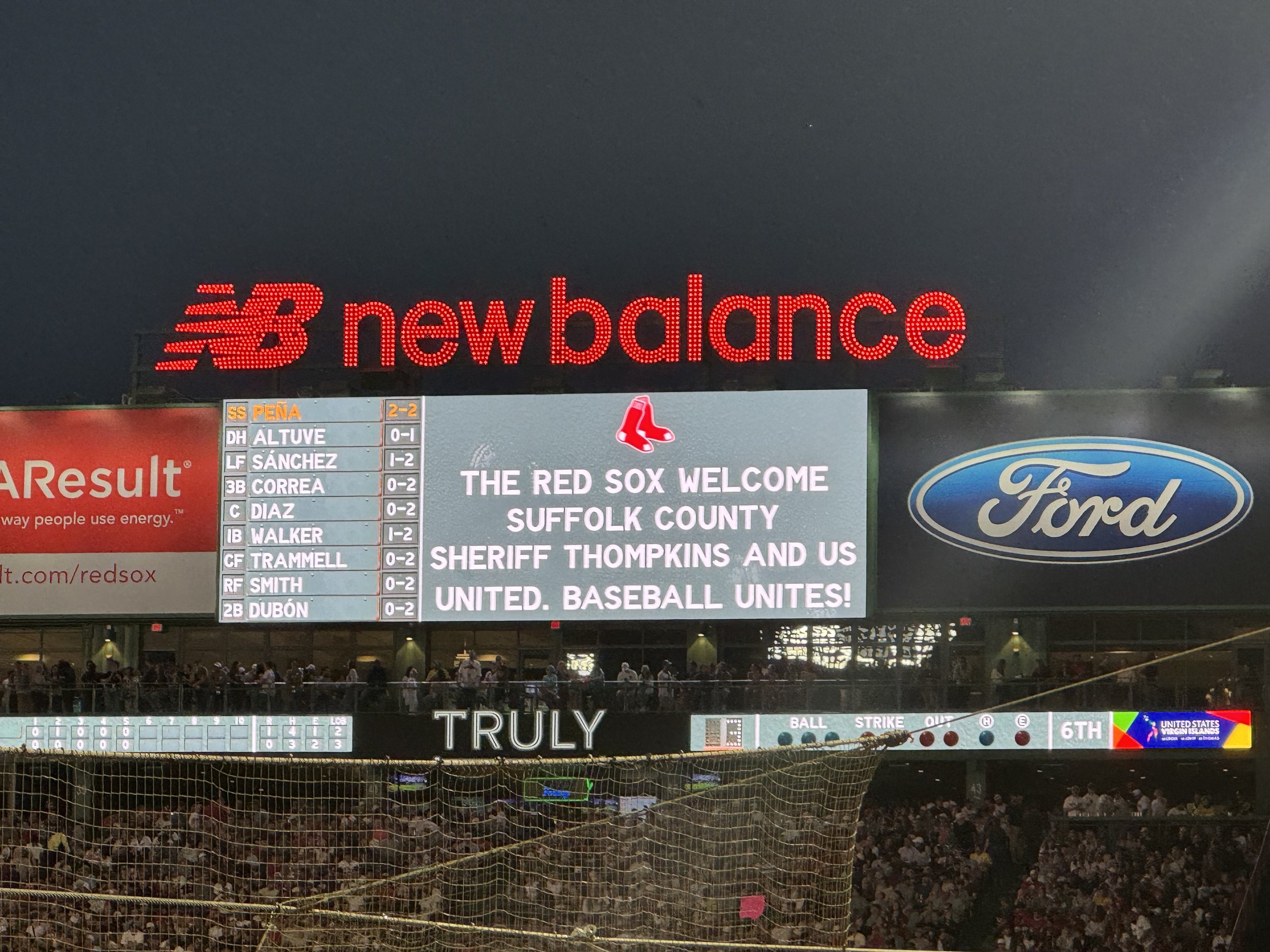
Jumbotron at Red Sox Game - Welcome message and call for unity | US United
The work ahead
US United is still in build mode, and Mizel is direct about what that means. The organization needs partners, funding and more people willing to help it grow. “We need donors. We need brands. We need sponsors who want to get behind what we’re doing,” he said.
The ask is not complicated. Help scale the programs that are already working — Holiday Spectacular, Unity Seats and the documentary — so more communities can take part.
For Swanson and Mizel, the goal is not to turn unity into a feel-good message. It is to give people real ways to practice it.
At Conspiracy of Love, we help changemakers tell their most powerful stories — stories that inspire action, build movements, and create lasting impact.
Find out more about our Values-Driven Storytelling and GPS to Purpose workshops, and how we can help you scale your impact.