How Tinder Is Pioneering Safety And Connection To Drive Inclusive Growth
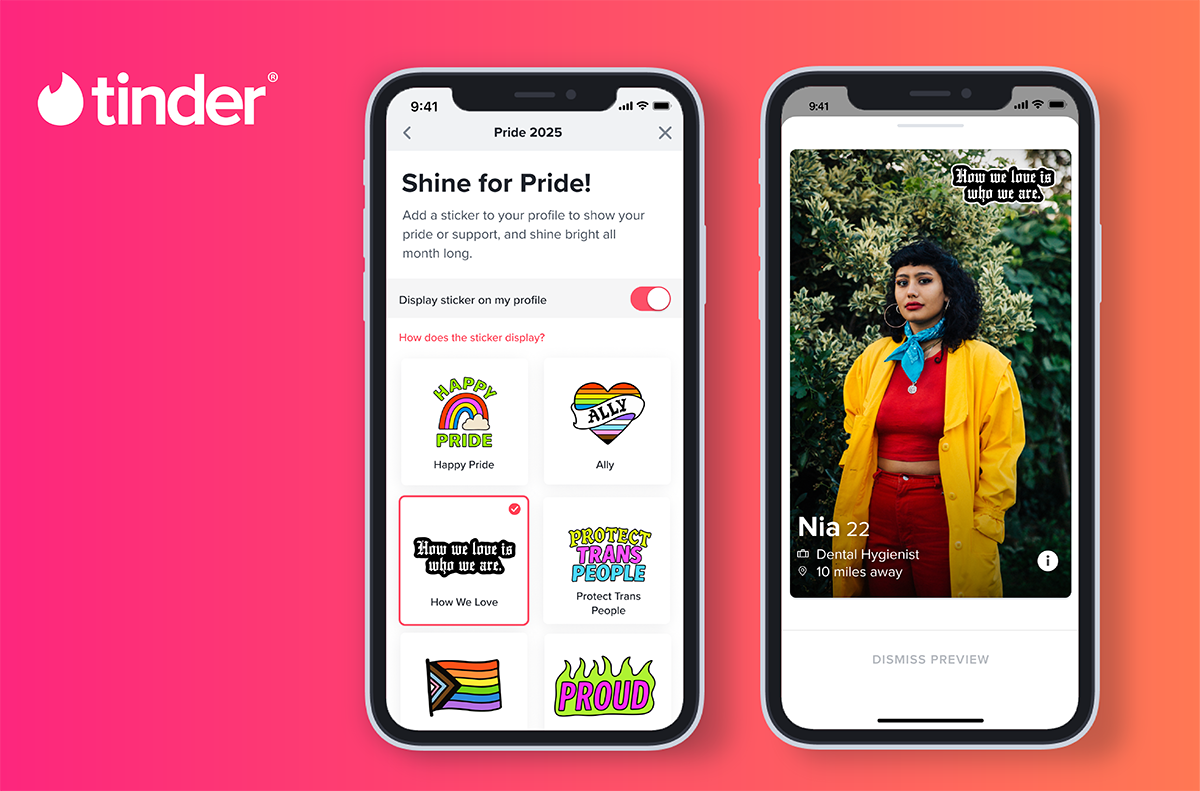
Tinder Pride Stickers | Tinder
For all the clichés about dating apps, the real story is often much more vulnerable. In a time when loneliness, social anxiety and the search for belonging shape so many people’s lives, platforms like Tinder are not just changing how people date — they are changing how people find affirmation, community and the courage to reach out.
Melissa Hobley, Tinder’s Chief Marketing Officer, sees that shift up close. In her view, Tinder is not just a tool for dating, but a global engine for connection. Whether that means helping LGBTQ+ users find affirmation in places where community is harder to access, investing heavily in trust and safety, or creating new ways for people to meet in real life, her vision is rooted in a simple idea: growth is strongest when more people feel seen, supported and safe enough to show up as themselves.
Why Inclusive Growth Matters
What stands out most in Hobley’s view of the business is how tightly growth and impact are linked. Safety is not a side initiative. Inclusion is not a campaign theme. They are part of the core model.
That philosophy becomes especially clear in Tinder’s relationship with the LGBTQ+ community. Hobley said one of the most humbling discoveries of her time at the company was realizing just how significant Tinder’s role has become in queer self-discovery and belonging.
“We’ve had nearly 7 billion matches for the LGBTQ+ community,” she said.
The number is huge, but the emotional meaning behind it is even bigger. Hobley recalled hearing that many queer users come out on Tinder before they come out anywhere else. At first, she was skeptical. Then she began asking friends in the LGBTQ+ community about their own experiences.
“When I tell you 90% of them said, of course they came out on Tinder first,” she said.
That insight reveals something important about the platform’s cultural role. In cities with visible queer communities, connection may be easier to find offline. But that is not the reality for much of the world. Hobley, who grew up in Indiana, understands that gap personally. In many parts of Asia, Africa, the Middle East, and Central and South America, Tinder is not just a dating app. It can be a first doorway into affirmation, identity and community.
“Affirmation is the first thing that’s important to Tinder when you come in,” she said. “It’s not your credit card. It’s not to just swipe on somebody. It’s to make you feel great about who you are.”
That work is not only cultural. It is measurable. Hobley said queer matches on Tinder are up almost 70% year over year, a sign that the company’s investment in designing for that community is resonating. Tinder now operates in 190 countries, has more than 700 million downloads, facilitates 1.5 million dates a week, and sees up to 3 billion swipes a day. Its scale gives it enormous reach. It also gives it a very real responsibility.
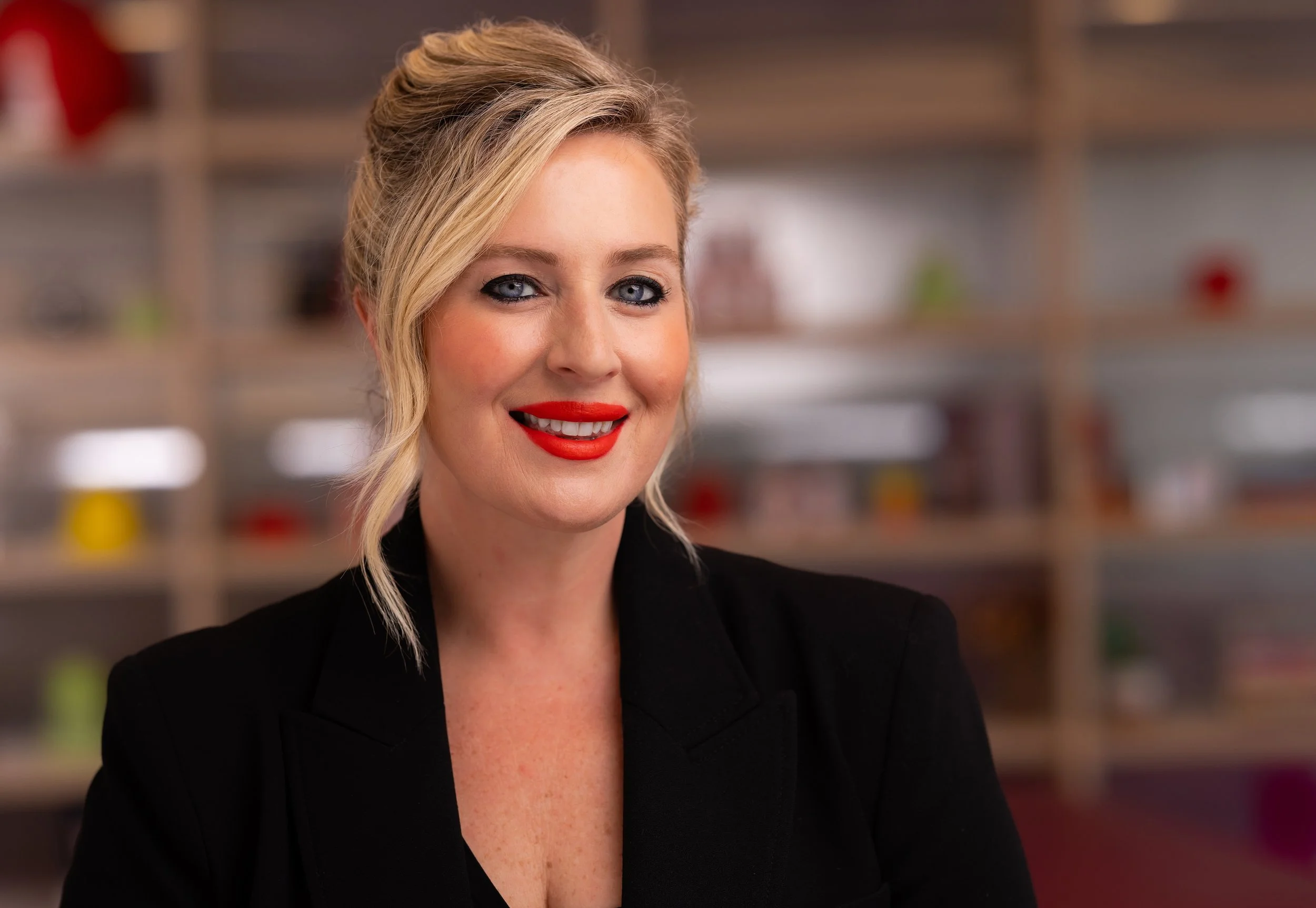
Melissa Hobley, Global CMO, Tinder
Building Trust Into the Product
Nowhere is that responsibility more visible than in trust and safety.
Hobley said Tinder invests $125 million a year in the area and has launched more than 20 trust and safety features. Some of the most important are designed to intervene in real time, before harm escalates.
One is “Are You Sure?”, which flags potentially offensive or abusive language before a message is sent. Another, “Does This Bother You?”, prompts the recipient when a harmful interaction may have occurred, making it easier to block or report the sender. The goal is not only to moderate behavior, but to reduce the friction that often keeps users from reporting abuse in the first place.
Those tools are being strengthened by AI, which Hobley sees less as a futuristic add-on than as a practical way to respond faster and more intelligently.
“If you’re trying to send a message that’s clearly inappropriate, homophobic, racist, etc., it will not go through and we shut it down,” she said.
Another major step is Face Check, a verification tool that scans a user’s face to confirm identity and help reduce fraud, bots and duplicate accounts. Hobley said it has reduced exposure to bad actors by 60%.
“It prevents duplicate accounts. It prevents fraud. You almost can’t overstate how significant this is,” she said.
For LGBTQ+ users in particular, safety can also extend far beyond the app itself. Tinder’s Traveler Alert warns users when they enter countries where LGBTQ+ identities are criminalized. Hobley said the app sends more than 600,000 of those alerts a month.
That kind of feature may not make flashy headlines, but it says something powerful about the company’s priorities. The same platform that helps people flirt, date and meet also has to understand the risks some of its users face simply by being who they are.
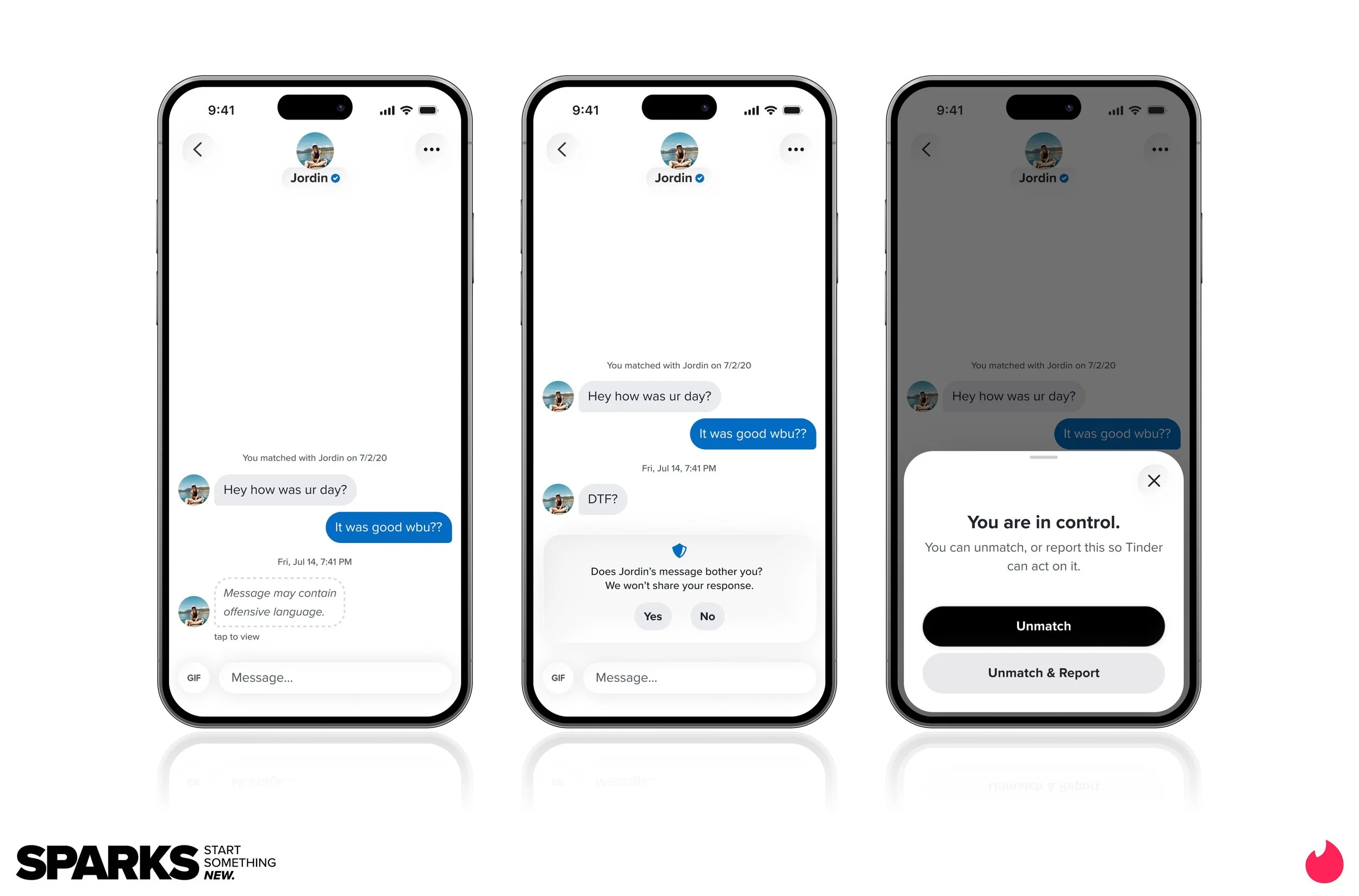
Tinder invests $125 million a year in the area and has launched more than 20 trust and safety features | Tinder
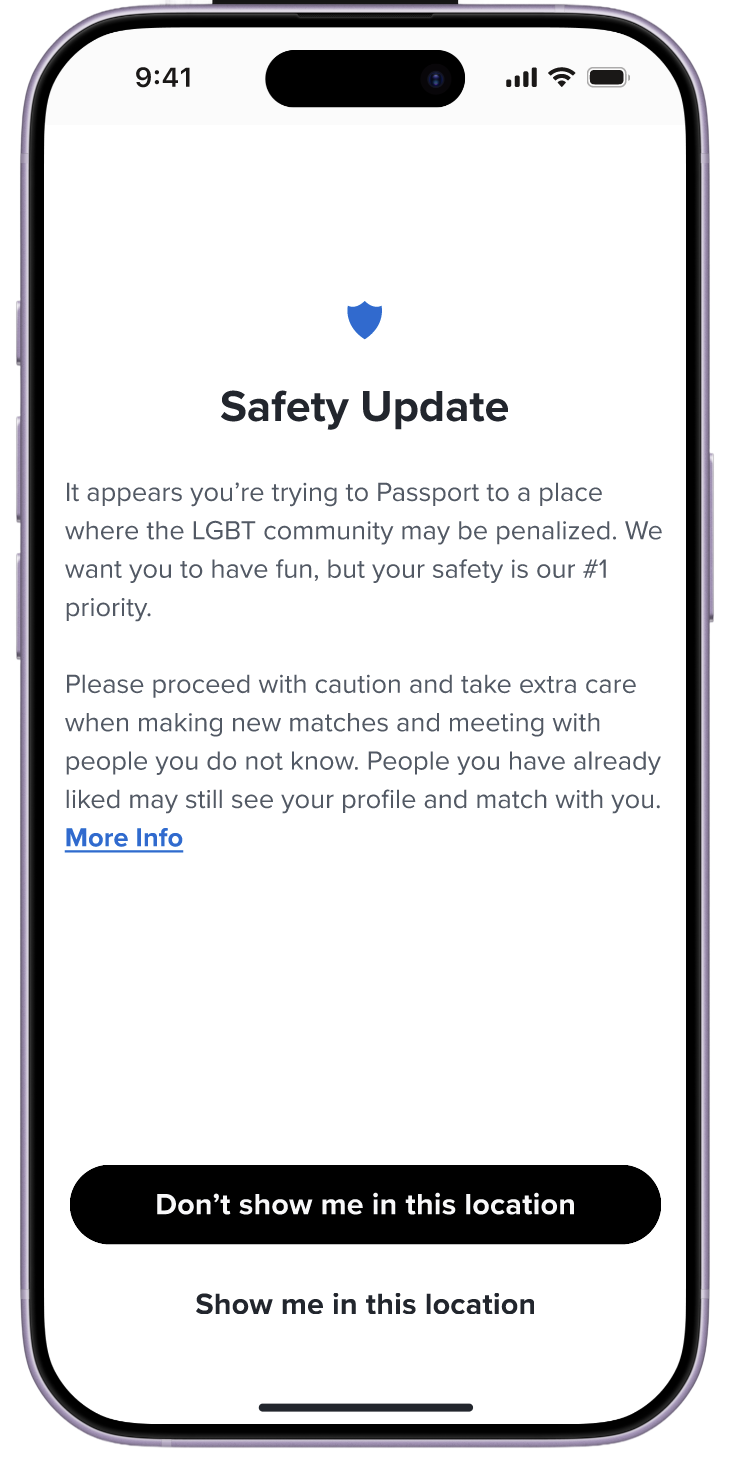
Tinder Traveler Alert | Tinder
From Digital Connection to Real Life
Tinder’s purpose, though, is not only about reducing harm. It is also about helping people move from digital connection to real-world connection at a time when that leap has become harder for many people to make.
“We are in a loneliness epidemic,” Hobley said.
She pointed to the lasting aftereffects of COVID, rising social anxiety, and research showing steep declines in in-person time among younger generations. For many users, the phone is not replacing human connection so much as becoming the safest first step toward it.
“The positive of Tinder is meet you where you are,” she said. “You’re on your phone. You’re such a digitally centric generation that this is where you feel safer communicating.”
But Tinder does not want people to stay on the app forever. Hobley was clear about that.
“I don’t want you to stay on the app,” she said. “I want you to go out for coffee or go out for a glass of wine or go to the baseball game or the protest.”
That idea is shaping Tinder’s new IRL events strategy, which is launching in Los Angeles and designed to help people meet around shared interests in lower-pressure settings. Dog walks, trivia nights and community-based gatherings may sound simple, but that is the point. Shared context can make connection feel more natural, whether it leads to romance, friendship or something in between.
“We kind of start with this base of real connection,” Hobley said. “Maybe there’s chemistry or a spark. Maybe it’s more friendship.”
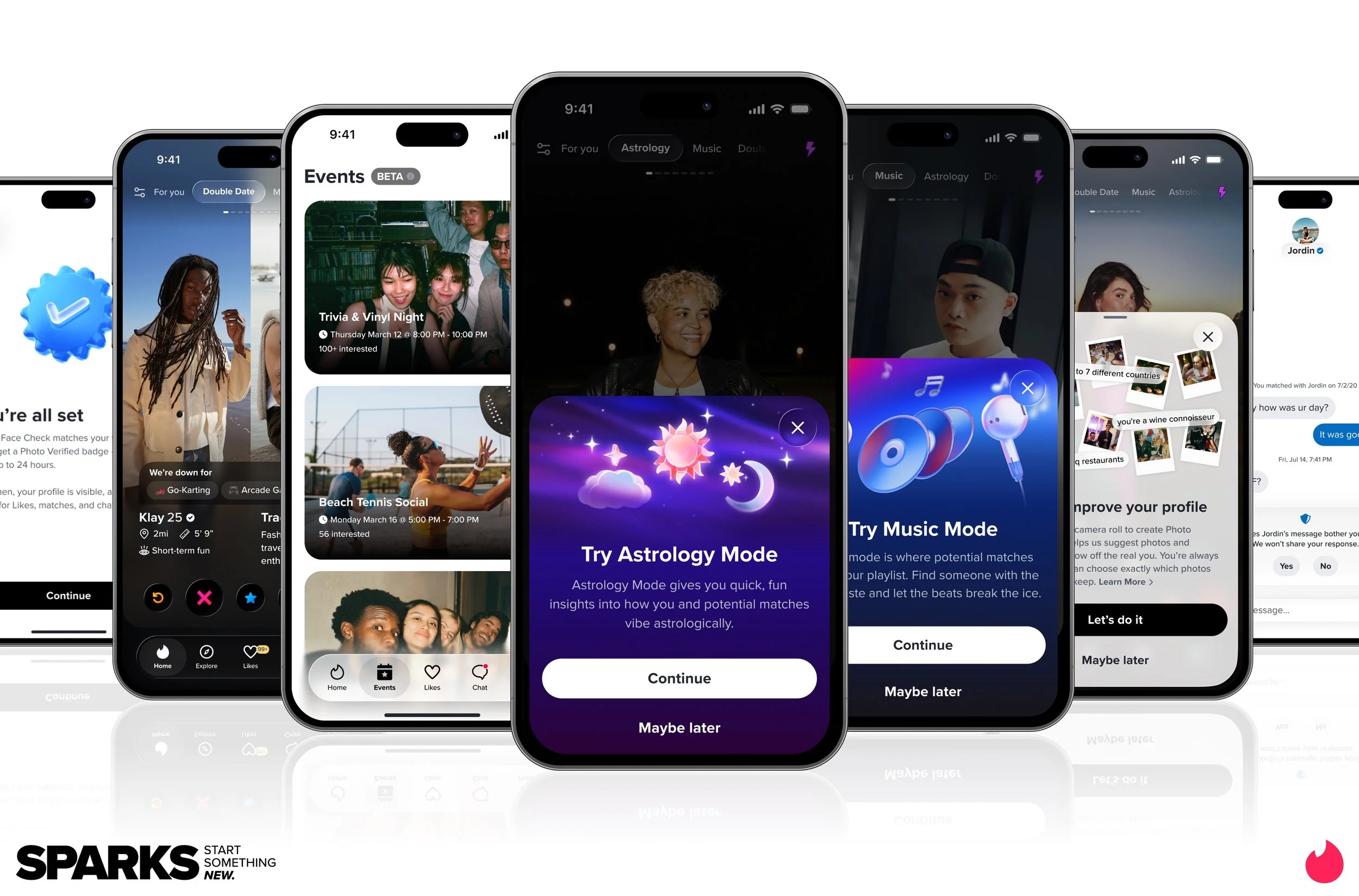
Tinder Sparks | Tinder
Showing Up for Queer Communities in Culture
The company is also extending its values into culture. Hobley described Tinder’s work with designer Willy Chavarria, including capsule collections benefiting the Human Rights Campaign, and a partnership with Safe Place in France, an NGO fighting discrimination and violence against LGBTQIA+ communities. She also called being present for the legalization of same-sex marriage in Thailand one of the highlights of her career.
“We were invited to be a part of this historic day because of the work we do on the ground with advocates and with the movement,” she said.
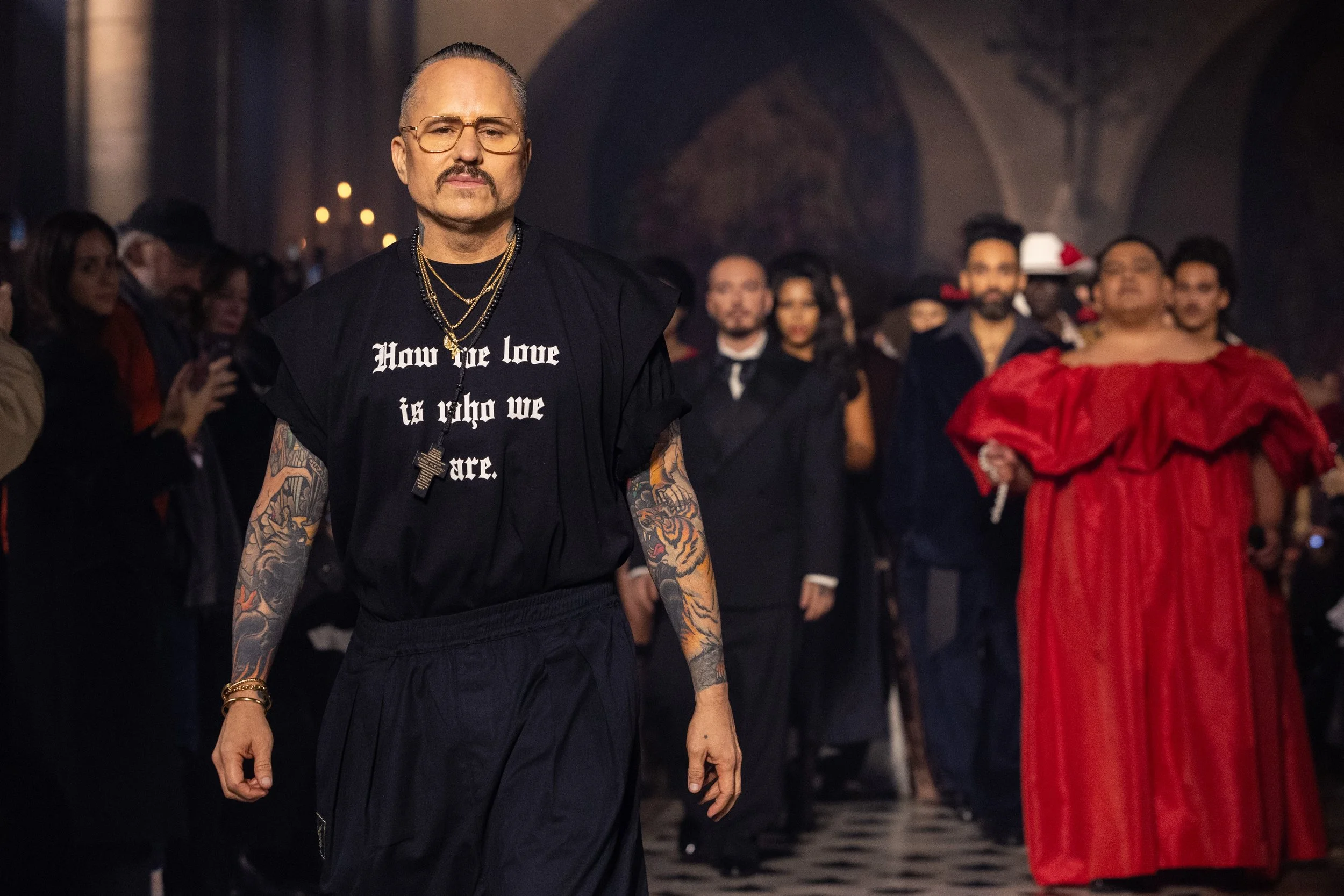
Tinder’s work with designer Willy Chavarria includes capsule collections benefiting the Human Rights Campaign. | Tinder, Willy Chavaria
Where Growth and Purpose Meet
That may be the clearest expression of what Tinder is trying to become. Not just a platform that reflects culture, but one that helps shape it. Not just a product that scales, but one that makes belonging feel more possible.
For a company built on introductions, that may be its most meaningful match yet.
At Conspiracy of Love, we help changemakers tell their most powerful stories — stories that inspire action, build movements, and create lasting impact.
Find out more about our Values-Driven Storytelling and GPS to Purpose workshops, and how we can help you scale your impact.