REVERB is a 501c3 nonprofit dedicated to creating a more sustainable music industry and empowering millions of individuals to take action toward a better future for people and the planet. | REVERB
Adam Gardner has spent more than three decades on the road as a touring musician. As a founding member of the American rock band Guster and co-founder of REVERB, he has also spent more than twenty years working on something most fans never see — the environmental cost of live music.
It did not begin as a formal mission. It began with a growing sense that life on the road did not match the values he lived by at home.
Gardner was building a life with Lauren Sullivan, an environmental educator and activist who would later become his wife and REVERB’s co-founder. The more time they spent together, the more sharply he noticed the gap between their habits at home and the waste built into touring.
“When I started living with an environmentalist, you start living as an environmentalist,” Gardner said. “I started seeing how we were living at home and how different that was from how life on the road was.”
Touring with Guster, the band he co-founded in college, he started seeing the details differently — the endless plastic backstage, the disposable culture, the generators that never shut off. His band even nicknamed its tour bus the “Earth Eater.”
At the same time, Sullivan was wrestling with a different problem. Working in the environmental movement in the 1990s, she saw how often the message stayed inside a circle of people who already agreed. She also saw how artists could break through that barrier. Music could reach people emotionally, culturally and at scale.
That combination became REVERB.
Gardner wanted to make touring more sustainable. Sullivan saw music as a way to bring environmental action to the mainstream. Together, they built a nonprofit designed to do both.
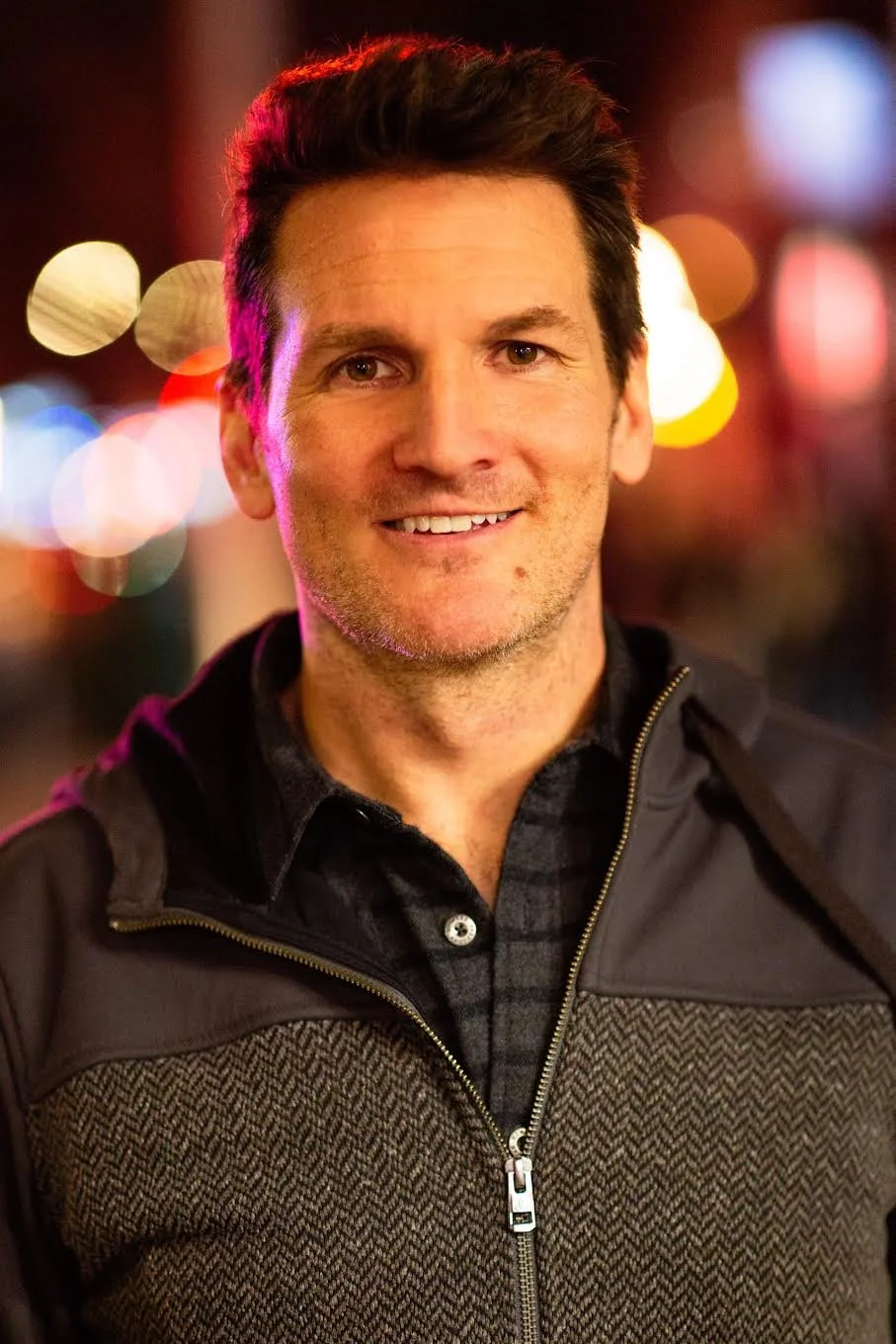
Adam Gardner, musician and co-founder of REVERB | REVERB
Built from inside the industry
Founded in 2004, REVERB has become one of the best-known organizations in sustainable touring. It has worked with artists including Billie Eilish, Dave Matthews Band, Jack Johnson, Lorde and Tame Impala, helping tours reduce waste, rethink operations and engage fans in environmental causes.
Its credibility comes from the fact that it was built from inside live music, not imposed on it.
Gardner understood that artists and crews were already overloaded. Sustainability would only work if it felt practical. “We’re here to make that all easier,” he said. “And make doing things differently and more sustainably at least a neutral experience, if not better.”
That mindset shaped the model early on. Bonnie Raitt’s 2002 Green Highway tour helped inspire the approach, and Raitt and her manager Kathy Kane became early mentors to Gardner and Sullivan. REVERB first operated under Raitt’s ARIA Foundation before becoming independent.
From the beginning, the idea was simple. Do not ask tours to become environmental experts overnight. Build a system that helps them make better choices in real conditions, under real pressure.
Where awareness becomes action
Gardner describes REVERB’s work through three pillars. The first is making tours more sustainable. The second is helping fans take action at shows. The third is supporting nonprofit groups and environmental projects through fundraising and direct engagement.
The second pillar is where REVERB stands apart.
“The biggest moment that an artist touches their fans is at their concerts,” Gardner said. “To have your own concerts and your own tour be a living, breathing example of what the future can look like systemically, that’s very different.”
That is why REVERB does not treat awareness as the finish line. At every show, it tries to turn attention into action.
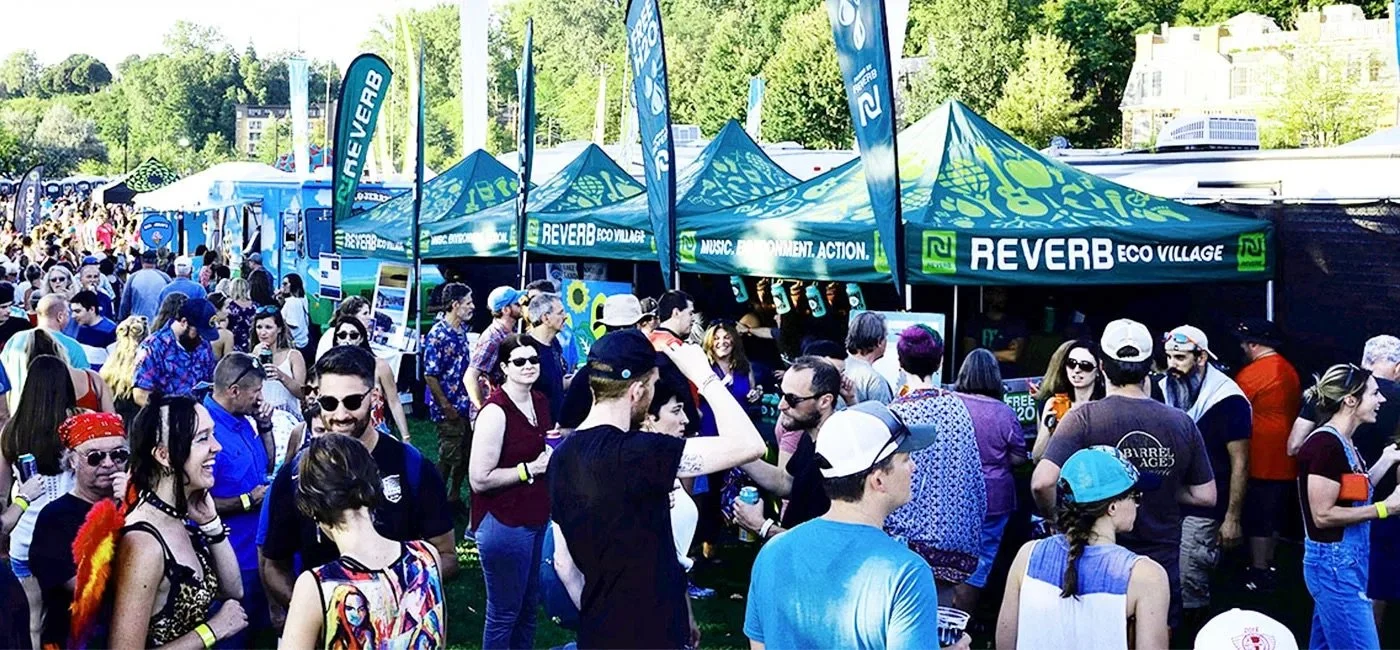
At concerts, REVERB builds what it calls an action village, where fans can connect with local and national nonprofits and get involved immediately. “We want people to take action right there,” Gardner said. “Awareness for us is only good if it leads to action. Awareness alone is not enough.”
Sometimes that action is simple and immediate. Fans are encouraged to bring empty reusable water bottles, refill them for free at stations inside venues, and skip buying bottled water. If they do not bring one, they can donate for a reusable bottle through REVERB’s #RockNRefill partnership with Nalgene, with proceeds supporting local nonprofits at the show.
That one shift has helped eliminate 4.5 million single-use plastic water bottles at concerts.
Other interventions happen at the venue level. On Billie Eilish’s tour, REVERB helped secure plant-based concession options at price parity with meat options. If a venue wanted the show, those options had to be there. In some cases, venues kept them after the tour left.
That is the larger goal — not one-night gestures, but lasting change.
REVERB also works on the part of live music that audiences rarely think about, including waste systems, backstage operations, transport and power. Through its Music Decarbonization Project, it has helped festivals shift away from diesel generators and test cleaner alternatives. At Healing Appalachia, a country festival in the heart of coal country, that work helped reduce diesel use by 92%.
And the nonprofit does not stop at the venue gates. Because fan travel makes up a large share of a concert’s footprint, REVERB also works on how audiences get to and from shows, while using the event itself to connect them to local environmental organizations in their own communities.
Specific action over vague claims
That combination of operational change and fan engagement has produced measurable results. REVERB has raised more than$25 million for environmental causes. Its Climate Project Portfolio has directed at least $7.3 million to community-based projects including rooftop solar, urban tree canopy, clean water access and equitable energy solutions.
Gardner is careful about how he talks about that work. He knows broad language can weaken trust.
When it comes to climate and the environment, he believes the message has to meet people where they are. For some audiences, that means talking directly about climate. For others, it means talking about clean air, safe water, healthy soil, plastic waste or the absence of diesel fumes at a festival. The goal is not to argue over terminology. It is to move people toward something tangible.
The same principle shapes his advice to brands. “Authenticity and transparency,” he said. “Don’t claim broadly, claim specifically what you’re doing. Don’t say we’re green, we’re sustainable. What does that mean?”
That discipline has helped REVERB stay relevant for more than two decades. It has not built trust through abstract promises. It has built trust by showing artists, venues and fans what action can actually look like.
When REVERB started, Gardner said the organization was “very alone.” Today, more artists, promoters, venues and partners are part of the work. That shift matters. But the core idea remains the same.
Live music is not just a place to talk about change. In the right hands, it can be a place to practice it.
At Conspiracy of Love, we help changemakers tell their most powerful stories — stories that inspire action, build movements, and create lasting impact.
Find out more about our Values-Driven Storytelling and GPS to Purpose workshops, and how we can help you scale your impact.