How HP’s Future Of Work Accelerator Is Driving Impact And Innovation Around The World
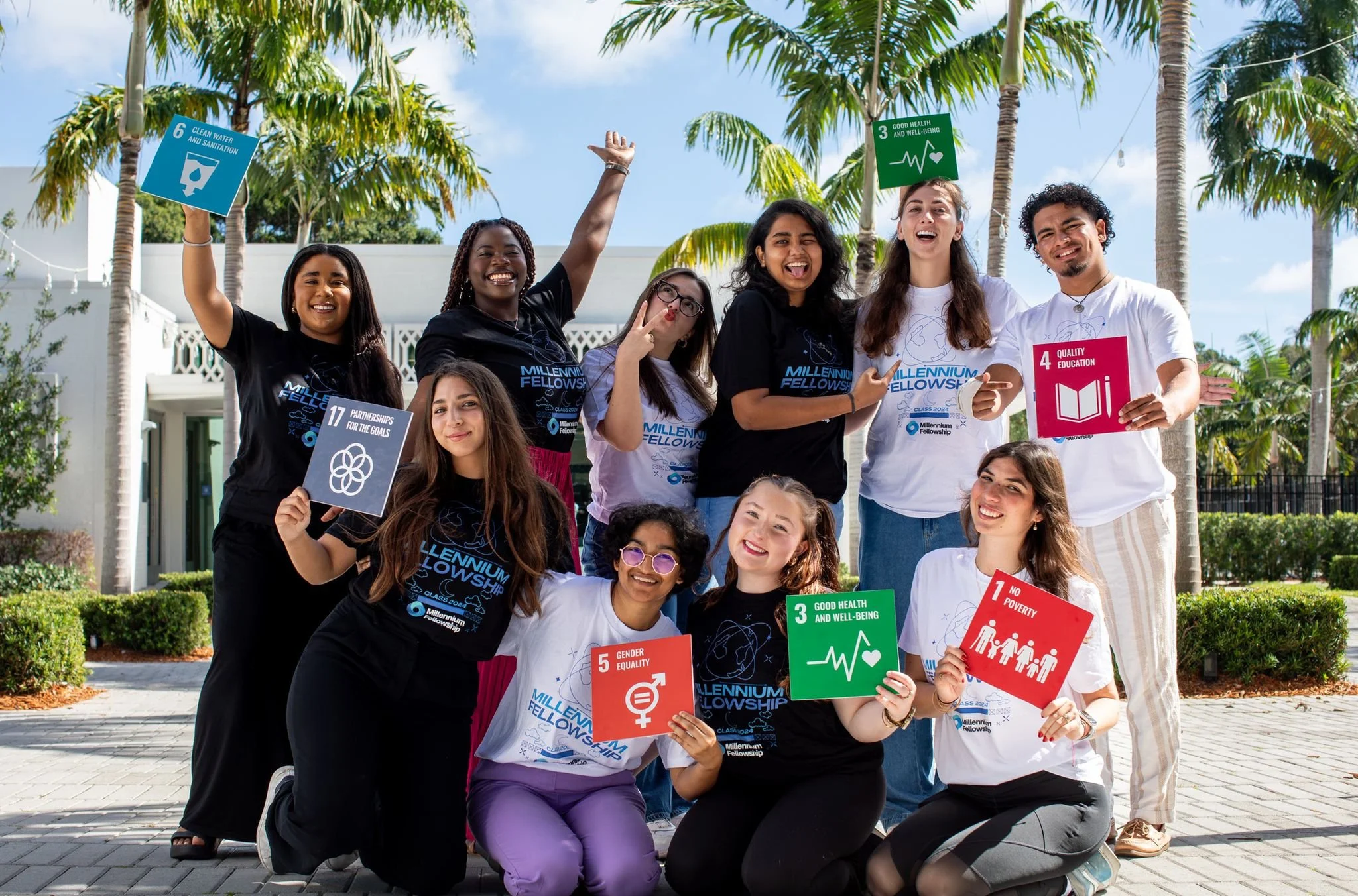
2026 Cohort - Millennium Campus Network. Millennium Campus Network’s Millennium Fellowship trains the next generation of civic innovators to address urgent community challenges and launch into social impact careers. | Millennium Campus Network
The future of work is often described as if everyone is already on the same path. But that is not how it looks in real life. More than 2.5 billion people around the world are still offline, and many more are connected without the skills, support or networks that can turn technology into something meaningful.
HP’s Future of Work Accelerator is where that gap starts to feel less abstract and more hopeful. This year’s 2026 cohort builds on a program designed to support organizations helping people prepare for jobs, careers and economic mobility in a world being reshaped by digital technology and AI. Since 2022, the Accelerator has supported 35 nonprofit organizations across 13 countries and delivered skills and learning to 11.3 million people.
Antonio Lucio, Chief Marketing and Corporate Affairs Officer at HP Inc., put the moment in clear terms. “We’re at a defining moment in the evolution of work. AI is reshaping every industry, yet its benefits are not reaching everyone equally.” For HP, he added, the goal is to turn technology “from a productivity tool into a platform that helps people do their best work.”
For Michele Malejki, Global Head of Social Impact at HP Inc. and Executive Director of the HP Foundation, who came to the company from the nonprofit world, the focus is equally clear. How can HP help people in disconnected communities gain the access, skills and support they need to be part of the future of work, rather than be left further behind?
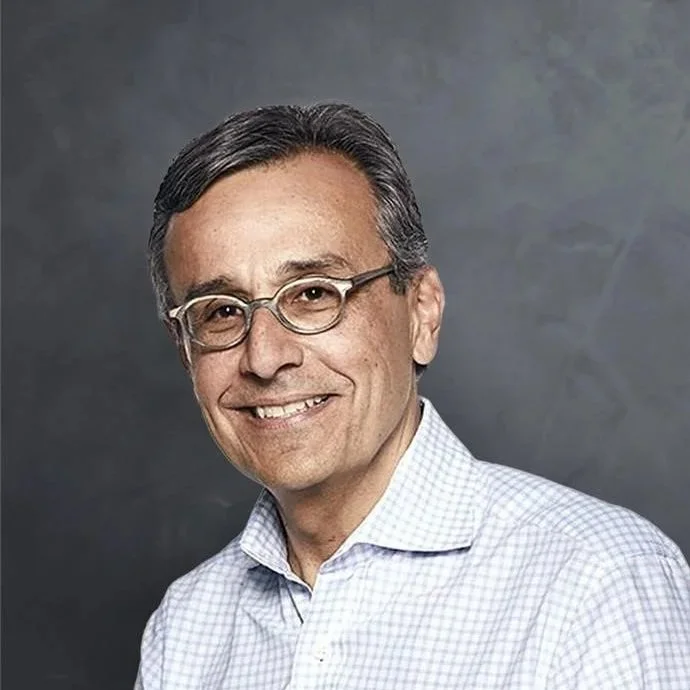
Antonio Lucio, Chief Marketing and Corporate Affairs Officer at HP Inc. | | HP Inc.
A social impact strategy tied to the business
That focus has shaped much of Malejki’s nearly nine years at HP. “I really do feel like impact and sustainability have always been a constant,” she reflects. At HP, she explains, that work is not treated as something separate from the business. “The purpose of HP Inc. today is to lead the future of work. The purpose of the space that my team gets to take part in is social impact, and we’re here to accelerate the future worker.”
HP’s model, she explains, is built around shared value, using the company’s products, expertise and reach to address a social challenge while the HP Foundation helps strengthen the organizations doing the work up close.
In HP’s case, that challenge is the digital divide. “The digital divide is a stubborn problem,” she says. Which is why the company’s approach goes beyond devices. It is also about digital literacy, AI fluency, career exposure and the support that helps people turn access into opportunity. HP is not trying to create “a headline opportunity,” she adds. “We’re trying to change a trend line.”
How the Accelerator works
The Accelerator is HP’s clearest expression of that idea. Each selected organization receives a tailored package of HP technology and solutions worth $100,000, a cash grant from the HP Foundation, and a six-month curriculum supported by local HP teams, technologists and partners including MIT Solve. More than 50 HP employees also volunteer their time each year, offering mentoring and expertise.
That mix matters. The technology is not one-size-fits-all. The funding is there to build capacity, not just support a short-lived pilot. And the curriculum is designed to help organizations actually use the tools they receive.
Malejki has seen the results up close. One example she highlighted is Markoding in Indonesia, which established three Digital Hubs and expanded access to digital education, technology and career opportunities to more than 10,000 adolescents and adults. Just as important, she stresses, “it’s not meant to just be a one-year engagement.” Some cohort members continue on as longer-term HP partners, with support extending beyond the formal program in places including India, Morocco and Indonesia.

Michele Malejki, Global Head of Social Impact at HP Inc. and Executive Director of the HP Foundation | HP Inc.
The 2026 cohort
This year’s cohort reflects that ambition from different angles:
Extern provides the infrastructure behind externships, real learning-based work projects for students on behalf of companies including Amazon, TikTok, Canva, Pfizer, PwC and Home Depot. Through the Accelerator, it plans to scale its AI infrastructure to serve more than 100,000 learners within two years.
Millennium Campus Network’s Millennium Fellowship trains the next generation of civic innovators to address urgent community challenges and launch into social impact careers. Through the Accelerator, it will bring future of work programming to disconnected young people across the U.S.
PHIND Work is a mobile workforce platform that uses geo-matching technology to connect people to jobs, training and resources in construction, trades and clean energy. With HP’s support, it aims to strengthen its operations, partnerships and data practices as it scales nationally.
Skillionaire Games by skillsgapp connects youth, especially in underserved communities, to life-changing careers through career exploration video games. The Accelerator will help it align sales, partnerships, marketing and product development to reach more young people with meaningful exposure to in-demand careers.
SkillUp is a nonprofit coalition of 150 partners helping workers from under-resourced communities build skills for in-demand jobs. Through the Accelerator, it plans to build a more personalized AI-enabled career navigation system designed to support economic mobility at scale.
What ties these organizations together is simple. Talent is everywhere. Access still is not.
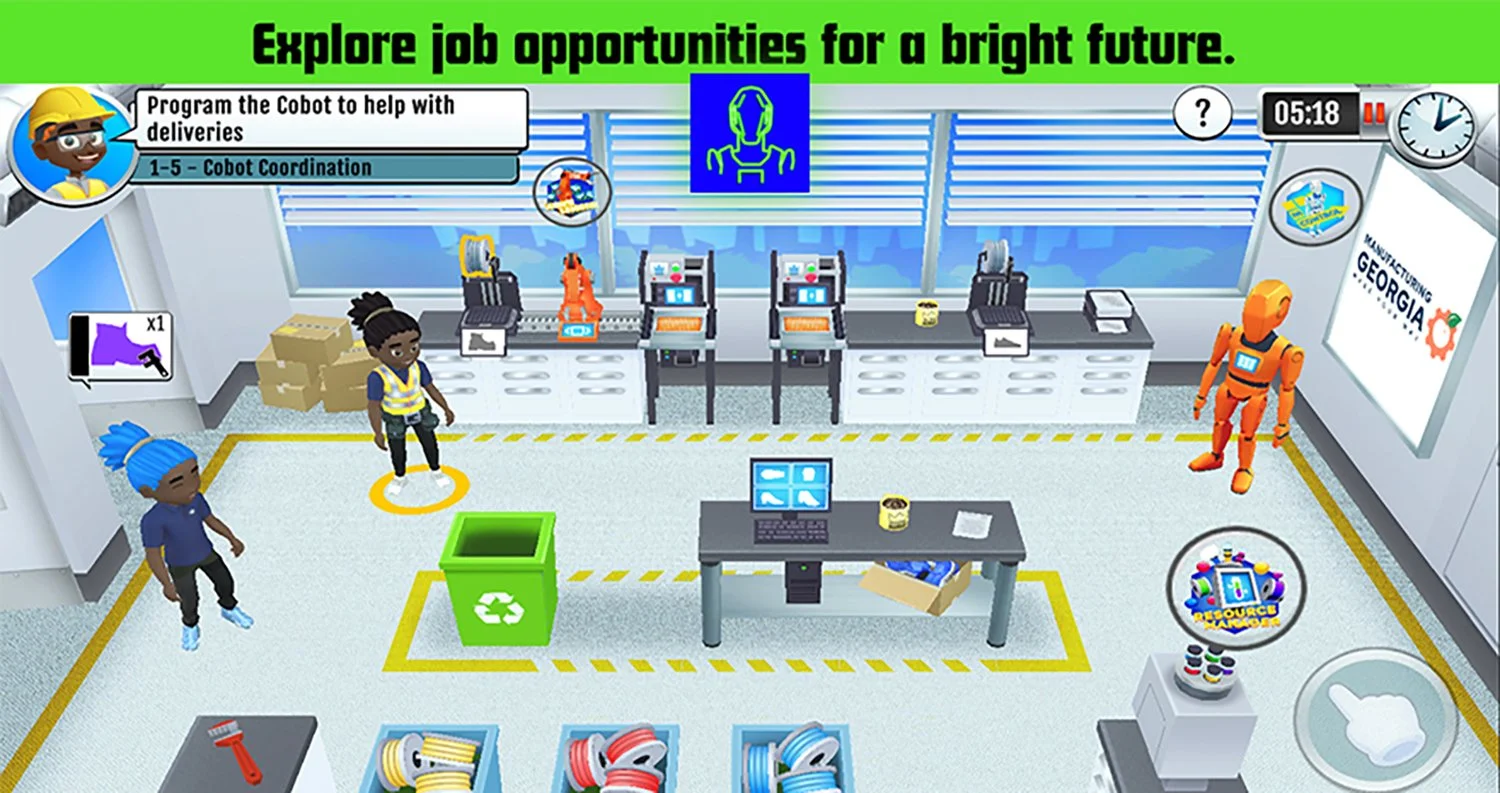
2026 Cohort - skillsgap. Skillionaire Games by skillsgapp connects youth, especially in underserved communities, to life-changing careers through career exploration video games. | skillsgapp
What the program is already proving
The strength of the Accelerator is that it is already producing real examples of what that can look like. In 2025, the program supported eight nonprofit organizations across Greece, Indonesia, Nigeria and Spain. In Greece, Socialinnov trained more than 5,000 educators in coding, AI and digital skills, reaching 120,000 students. In Indonesia, Markoding expanded digital education and career opportunities to more than 10,000 adolescents and adults. In Nigeria, Slum2School Africa trained more than 680 students and adults in digital literacy and equipped nearly 300 teachers with AI skills that reached over 11,200 students. In Spain, the Esplai Foundation empowered more than 250 e-facilitators to deliver programs reaching more than 7,000 adolescents and adults.

HP Indonesia meeting with the 2025 cohort
Why it matters beyond philanthropy
Malejki also sees the work as increasingly relevant to the business itself. HP has seen “an uptick” in customer requests asking what the company is doing in the communities where business opportunities arise. In other words, social impact is not just a nice story to tell. It is becoming part of how companies are judged.
Outside recognition has followed. HP was recently named the number one technology company in Just Capital’s 2026 ranking. It was also included in Corporate Knights’ 2026 Global 100 Most Sustainable Corporations for the eleventh year in a row and ranked in the top five of the World Benchmarking Alliance’s 2026 Digital Inclusion Benchmark, and in 2023 its Social Impact team was named TIME’s first-ever Team of the Year.
Malejki points to HP’s partnership with Lewis Hamilton’s Mission 44 as another example of how the company is trying to connect business visibility with community impact. Through that work, HP also supports organizations such as America On Tech, which is helping young people build pathways into tech and future-facing careers. The question, she suggests, is not where purpose can be added later, but where HP is already “living, working, doing business” and how it can support the communities connected to that work.
For leaders trying to build impact inside large companies, she keeps coming back to one question. “What is the North Star of your company?” From there, she argues, the work is to stay honest about what is working, what is not and what needs to change. “That authenticity resonates.”
That may be why this program stands out. AI may change how work gets done, but access will shape who gets to benefit from it. HP’s bet is that widening that access matters just as much as building the tools themselves.
At Conspiracy of Love, we help changemakers tell their most powerful stories — stories that inspire action, build movements, and create lasting impact.
Find out more about our Values-Driven Storytelling and GPS to Purpose workshops, and how we can help you scale your impact.