How The Lone Peak Film Festival Is Showcasing Stories Of Kindness And Resilience In Montana
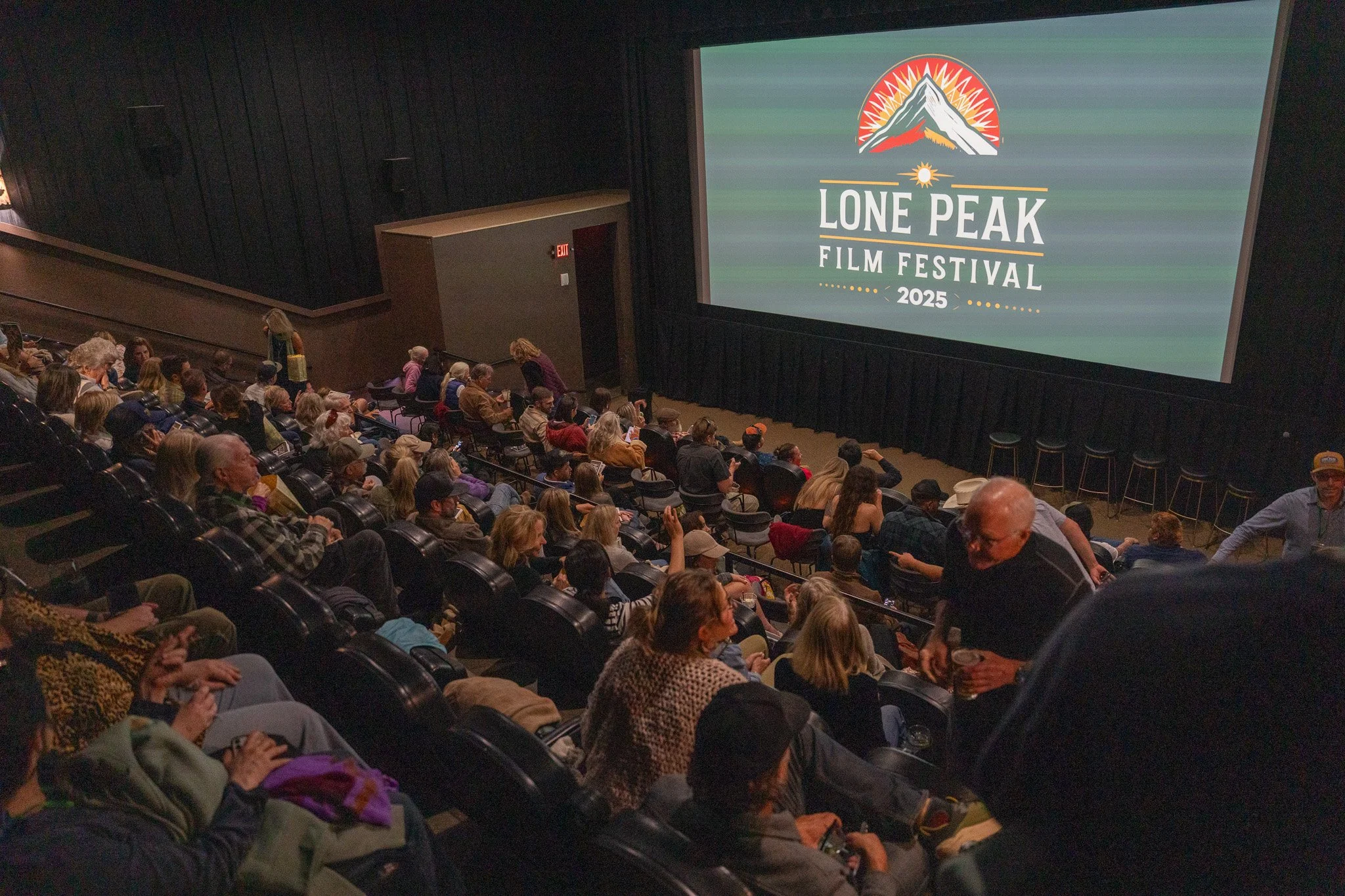
Opening night screening in the theater
For more than 20 years, filmmaker Daniel Glick has been drawn to a certain kind of story. Not empty inspiration. But stories about people trying to heal, protect, restore and help.
That instinct has shaped his whole career. His first feature documentary followed a poet who began writing in prison and was later used to support rehabilitation efforts. After moving to Montana, Glick made conservation films and projects that helped protect natural places and support Tribal nations fighting for land that had been stolen or illegally leased.
Over time, he realized this was more than a creative preference. It was the thing that kept him going.
"If a film project that I'm working on doesn't have some kind of impact component, I get depressed," he said. "I lose the motivation."
That instinct eventually led Glick to co-found the Lone Peak Film Festival in Big Sky, Montana, where the focus is on films about resilience, repair and people working toward something better.
In today’s media culture, that feels almost radical.
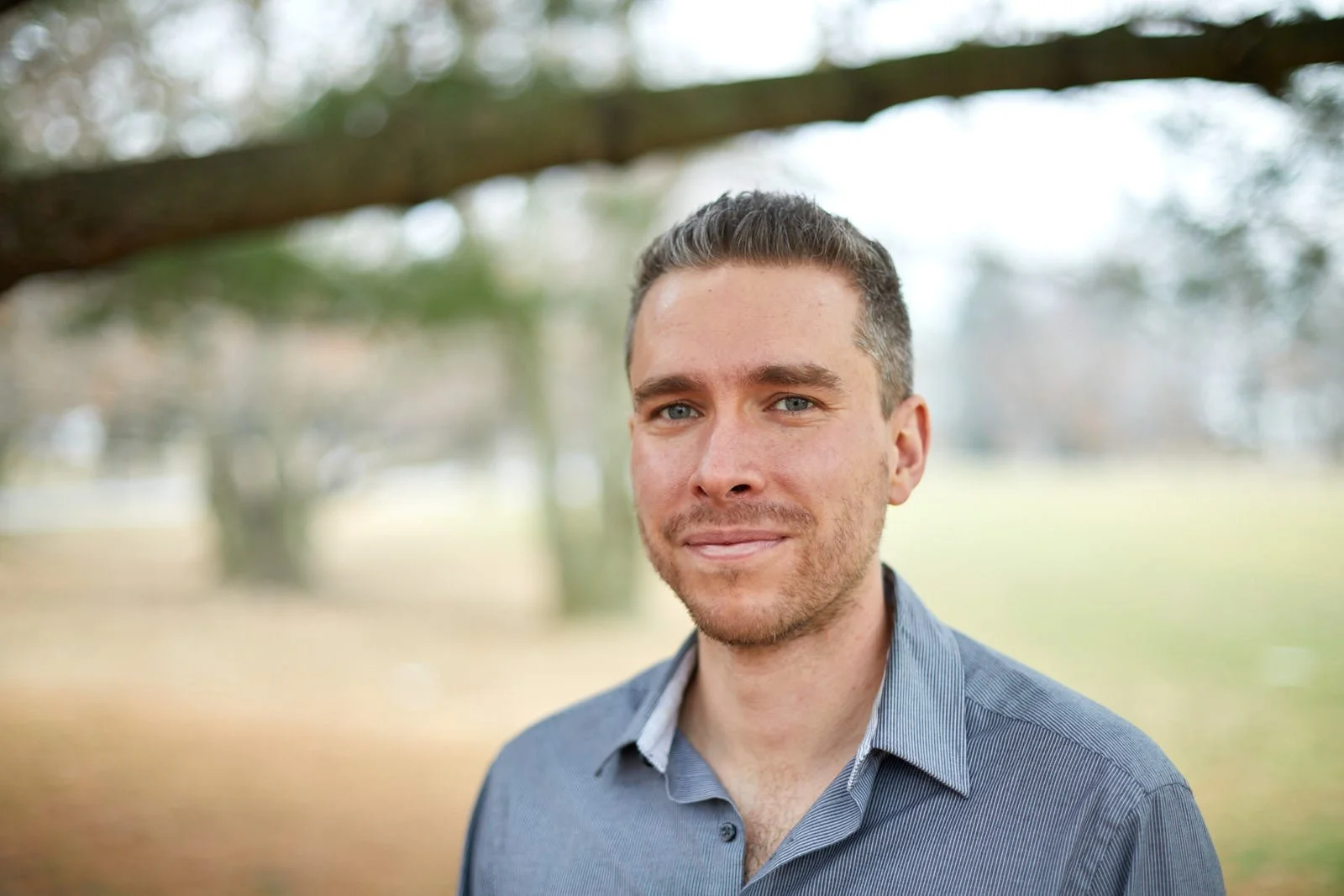
Daniel Glick, filmmaker and co-founder of the Lone Peak Film Festival | ERIC JUKELEVICS
Why Daniel Glick Wanted to Build Something Different
The festival grew out of two personal experiences.
The first was fatherhood. About five years ago, Glick became a dad, and it changed how he wanted to spend his time. He still loved filmmaking, but he wanted to travel less and build something closer to home.
The second was frustration. After attending more than 50 film festivals, he knew how often the experience could fall short for filmmakers. Very few made artists feel truly cared for.
So he began asking whether Montana might be ready for something different.
There was no film festival in Bozeman, where he lives, and no festival in Big Sky centered on the kind of films he cared most about. In early conversations, a local community member named Byard helped clarify the idea. He suggested the festival focus on stories that highlight the good in humanity.
Glick immediately knew that was it.
"It would be stories about solutions," he said. "Stories about communities and people working together to make things better."
That mission is also a response to the wider culture. Too much of modern media, he believes, leaves people with a warped picture of who we are.
"We want to be a counterweight to that heaviness that the mainstream media just focuses on," Glick said.
He is not dismissing darker stories. But he is pushing back on the idea that they are the whole story.
"It creates this impression that humans are just awful, and everything is terrible," he said. "That is not the full picture."
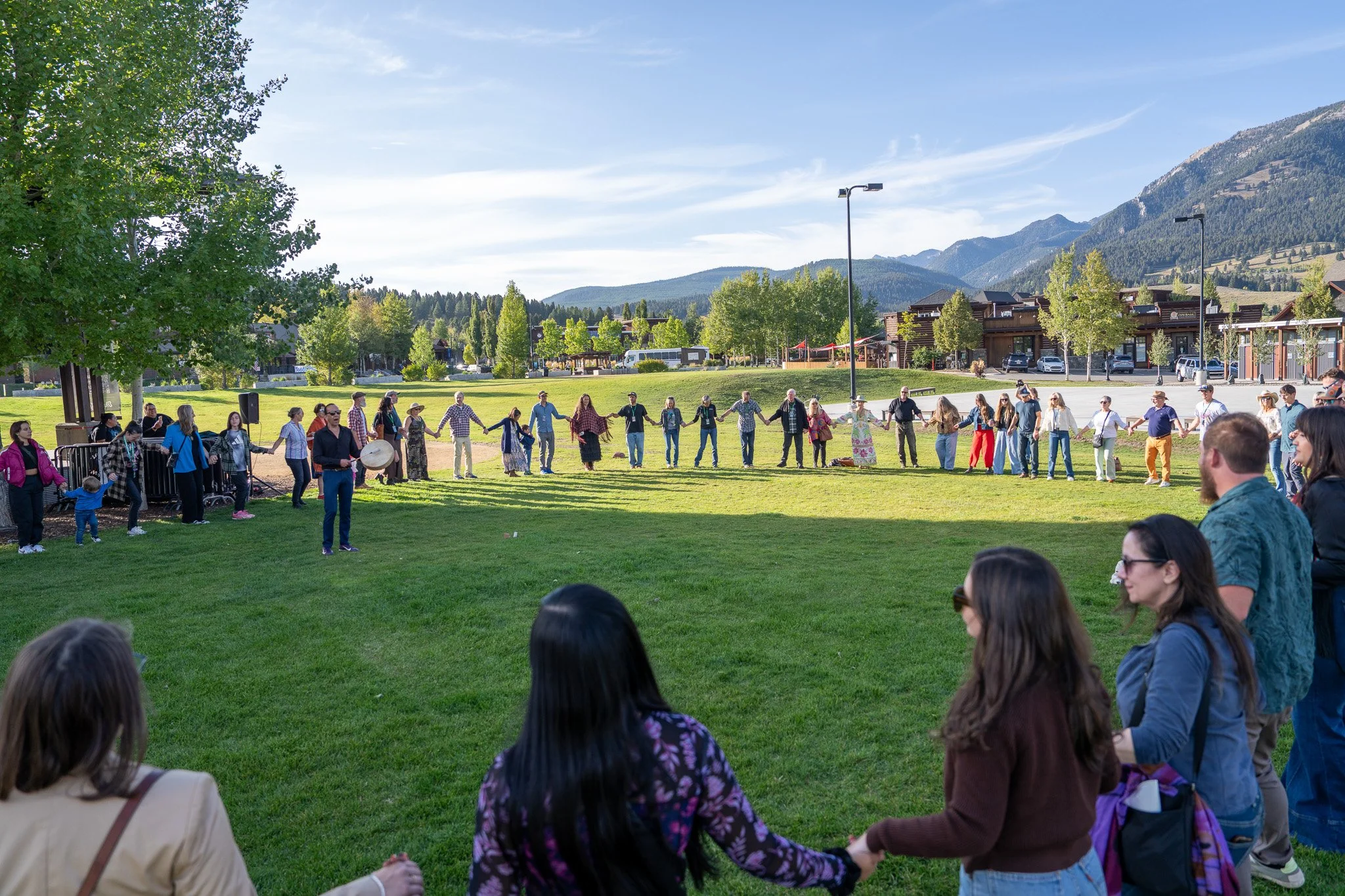
Opening ceremony / round dance led by Shane Doyle of the Crow Nation
What Kind of Stories Lone Peak Wants to Put on Screen
Lone Peak’s programming reflects both Montana and Glick’s worldview. The festival focuses on Montana stories, Indigenous stories, conservation and stories of human resilience.
Each category says something about the place. Montana has a strong Indigenous presence, a deep connection to land and wildlife, and a culture shaped by endurance. As Glick put it, "To live in Montana, get winter six months of the year, you got to have some resilience."
But the emotional test matters even more.
"The criteria we figured out was, all right, you got to leave the film feeling good about people," he said.
That does not mean the films avoid pain or complexity. It means they offer something larger than despair.
The first edition reflected that ambition. Despite a very compressed timeline, the festival pulled together a lineup that included Sing Sing, Cutting Through Rocks, Runa Simi, Champions of the Golden Valley, Lost Wolves of Yellowstone and Bring Them Home / Aiskótáhkapiyaaya.
Together, those films made a clear case for what Lone Peak wants to do. Tell the truth about the world, but not in a way that leaves people feeling defeated by it.
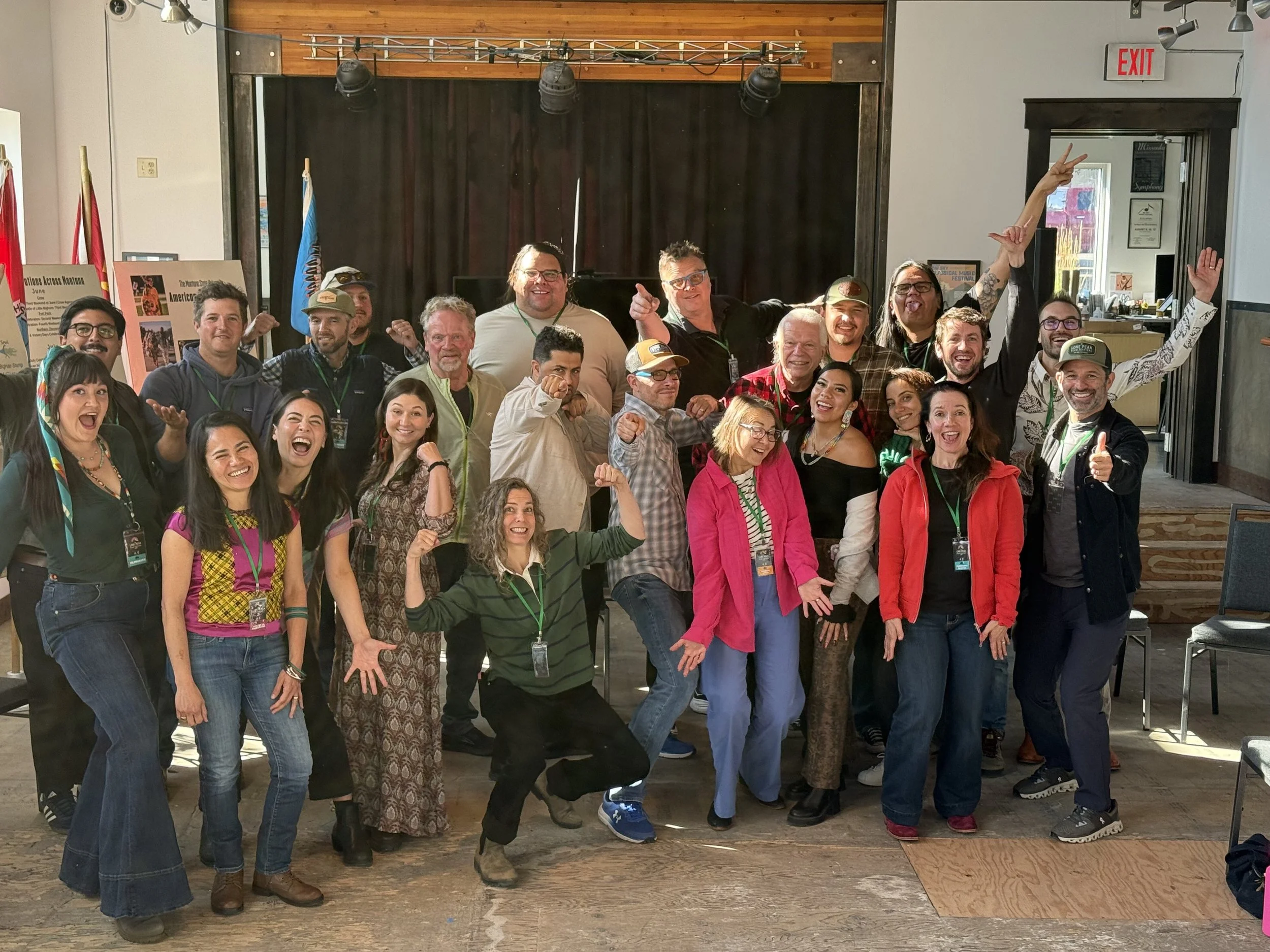
Group photo of the filmmakers and mentors during the filmmaker program
Why Supporting Filmmakers Is Part of the Festival’s Mission
What makes Lone Peak especially compelling is that its values do not stop at curation. They shape how filmmakers are treated too.
The festival’s filmmaker program covers travel, lodging and food for one filmmaker from every selected film, including shorts and features. It also gives them access to mentorship from established industry veterans.
That is rare. Glick knows because he has lived the alternative.
"In the 50 festivals or more that I've been to, I think one of them did that," he said.
For independent filmmakers, festival invitations often come with a hidden price tag. Glick wanted Lone Peak to take the opposite approach.
"We want to make sure that the filmmaker is honored and respected and given back to, because they're giving a gift to us," he said.
That same spirit helped attract one of the festival’s key early backers, A&E Global Media, the media company behind networks and documentary programming. Glick said A&E connected with the festival’s mentorship model and its Indigenous Stories strand.
The festival also found strong support closer to home. More than 50 local sponsors, including businesses, foundations and individuals, backed the first year. They include the Lone Mountain Land Company, Montana Chamber of Commerce, 406 Agave, Karst Stage, YC Community Foundation, Visit Big Sky Montana, The Wilson Hotel, Gravity Haus, The Waypoint, Peak Creative Designs, Full Swing Public Relations, and Saddle Peak Security, as well as many generous individual donors.
"We fill a niche," Glick said. "We fill a need."
Why the Festival Is Looking for More Partners
What stays with Glick most about the first year is the feeling it created.
"The first year was like an experience of just love," he said.
That response matters for a young festival still finding its footing. Lone Peak is not trying to become just another stop on the festival circuit. Glick wants it to be a place where filmmakers feel looked after, audiences feel restored and the community around the event keeps growing.
"It's hard to make films and it's hard to see the news," Glick said. "But it's a weekend that we hope can give fuel and energy and replenish the heart."
As Lone Peak prepares for its next edition this September, submissions are open on FilmFreeway, and the festival is looking for new sponsors and partners who believe in mentorship, impact and strong storytelling. For a young festival, that support could make a real difference — not just in helping it grow, but in helping more filmmakers feel genuinely welcomed, backed and seen.
At Conspiracy of Love, we help changemakers tell their most powerful stories — stories that inspire action, build movements, and create lasting impact.
Find out more about our Values-Driven Storytelling and GPS to Purpose workshops, and how we can help you scale your impact.