How The DILF Handbook Debunks The Biggest Myths Of Fatherhood
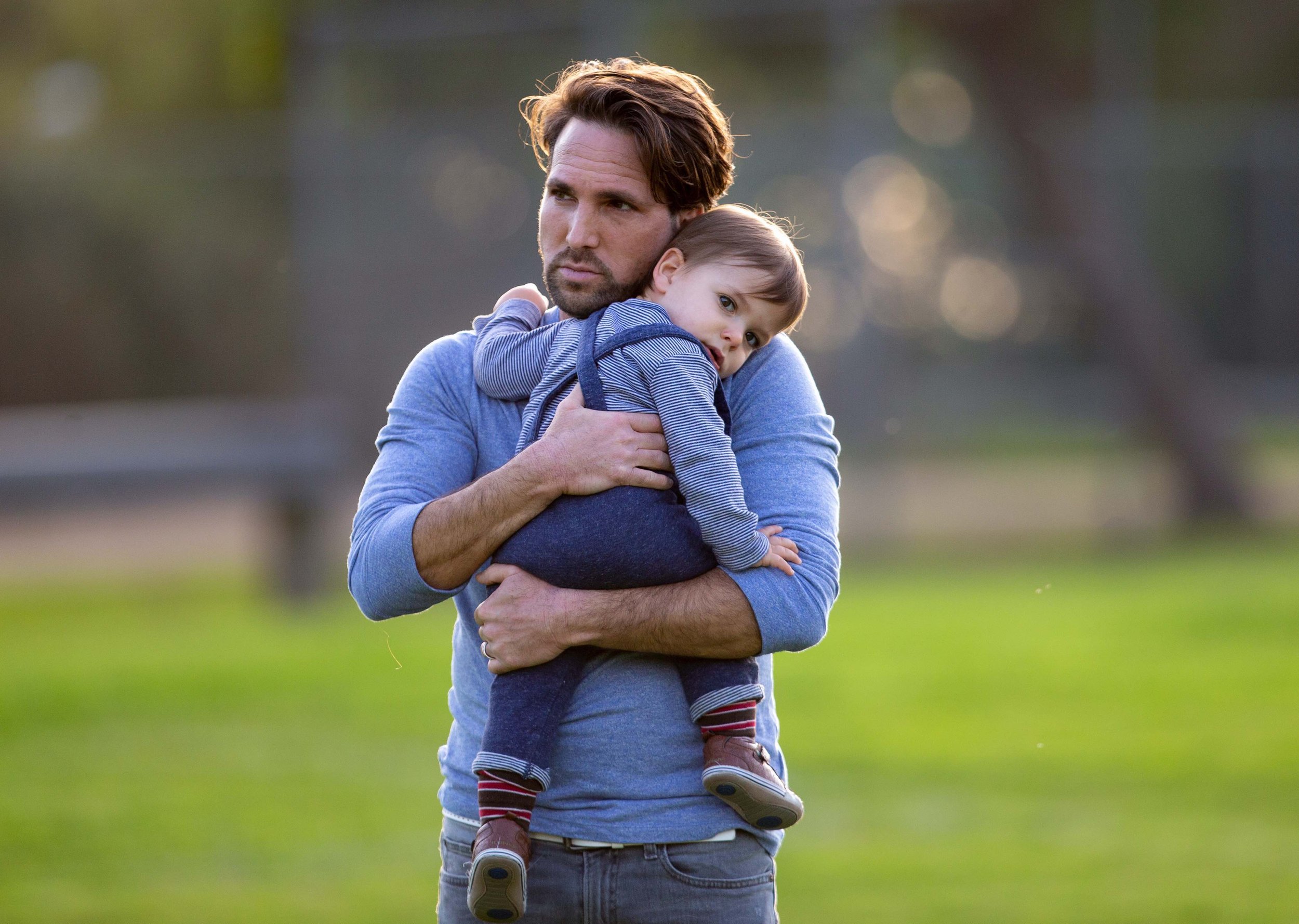
Kevin Seldon, founder of Dads Supporting Dads, creator of the DILF podcast and author of The DILF Handbook | DILF
What if the hardest part of becoming a dad isn’t the diapers, the logistics, or the lack of sleep?
What if it’s the quiet identity shift no one prepares you for, and the silence men are expected to carry it in?
That’s the emotional core of The DILF (Dad I’d Like To… Friend) Handbook by Kevin Seldon, founder of the nonprofit Dads Supporting Dads and creator of the DILF podcast. It’s a practical resource for the parts of fatherhood no one warns you about, grounded in research, expert insights, and real stories.
Seldon calls it “a new dad’s guide to overcoming the most common myths of parenthood,” and what makes it different isn’t just the structure. It’s the permission to admit what many dads feel, but rarely say out loud.
A five-year journey to fatherhood that broke him open
Seldon grew up in Los Angeles, went to school in Chicago, then returned home “bright-eyed and ready to take on the world.” In his twenties, he launched a social impact firm and found himself working with major brands and organizations, “merging together brands and causes to make change in the world.”
Then he and his wife tried to have a baby and couldn’t.
“One year, two years, three years, four years,” he said. “It just broke me open.”
The experience surfaced a pain he didn’t fully process at the time. Shame. Anger. A sense of powerlessness, especially as he watched friends and peers grow their families while he felt stuck outside the life he wanted most.
After a long road to parenthood, Seldon and his wife finally welcomed their son. But the moment he’d been waiting for didn’t arrive wrapped in certainty.
“I didn’t recognize myself in the mirror,” he said. “I was having panic attacks. I was not in a good place.”
He described feeling unusually irritable and overwhelmed, struggling with moments that used to feel manageable. And the hardest part wasn’t simply that he was struggling. It was that he didn’t recognize himself inside the experience, and he didn’t want his son to meet him that way.
DILF Podcast
Turning everything off to come back to himself
Seldon made a decision many new dads don’t feel they can make. He stepped away from the company he built and became a stay-at-home dad for a year.
“I wanted to reconnect with myself and bond with my son and support my wife as she went back to work,” he said.
He turned off his phone for the year. He started laughing again. He started reconnecting. He began to feel more present.
But it also revealed something that became a turning point.
“It was wonderful, but it was also excessively isolating,” he said. “I could not find any support as a new dad.”
Dad groups existed in theory, but nothing he found felt active or accessible. The isolation didn’t just feel lonely. It felt like proof that dads weren’t expected to need support at all.
So he did what he knew how to do.
He built it.
The podcast that proved it wasn’t just him
Seldon launched the DILF podcast, short for “Dad I’d Like To… Friend.” It began as a personal project: a way to meet other dads, learn from them, and speak honestly about what he was experiencing.
Then it took off.
“We broke onto the charts all around the world,” he said. The show reached “number six on the U.S. Parenting podcast charts.” Even more surprising, he realized the audience wasn’t only dads.
“It turned out we had more mom listeners than dads,” he said.
To Seldon, that was a signal. Fathers’ mental health wasn’t a fringe topic. It was a missing conversation that families were hungry for. Because when dads struggle in silence, everyone feels it. Partners. Kids. Relationships. Homes.
The success of the podcast also brought clarity about scale. The pressures Seldon thought were personal turned out to be widely shared. The shame of not feeling the “right” things. The fear of being judged for admitting the hard parts. The instinct to push it down and keep moving.
Naming what so many dads are living
As the podcast grew, Seldon began researching paternal mental health and kept coming back to a term few people know: PMADS, or perinatal mood and anxiety disorders.
“Very few people know the term,” he said. “PMADS is an umbrella term that encompasses postpartum depression, but it also encompasses postpartum anxiety.”
PMADS can include everything from anxiety attacks to suicidal thoughts. And Seldon believes the risk factors are far more common than most people realize.
“Change in identity,” he said. “Sleep deprivation. Change in relationship status. That added pressure that comes financially and otherwise.”
He also points to research suggesting fathers experience hormonal and neurological shifts too. In his view, many people reduce postpartum struggles to hormones alone, but that’s only a piece of the picture. What matters most is acknowledging that non-birthing parents can struggle in real ways, and ignoring that doesn’t protect anyone.
“How can men be of support for their partners and their children if they have no support for themselves?” he asked.
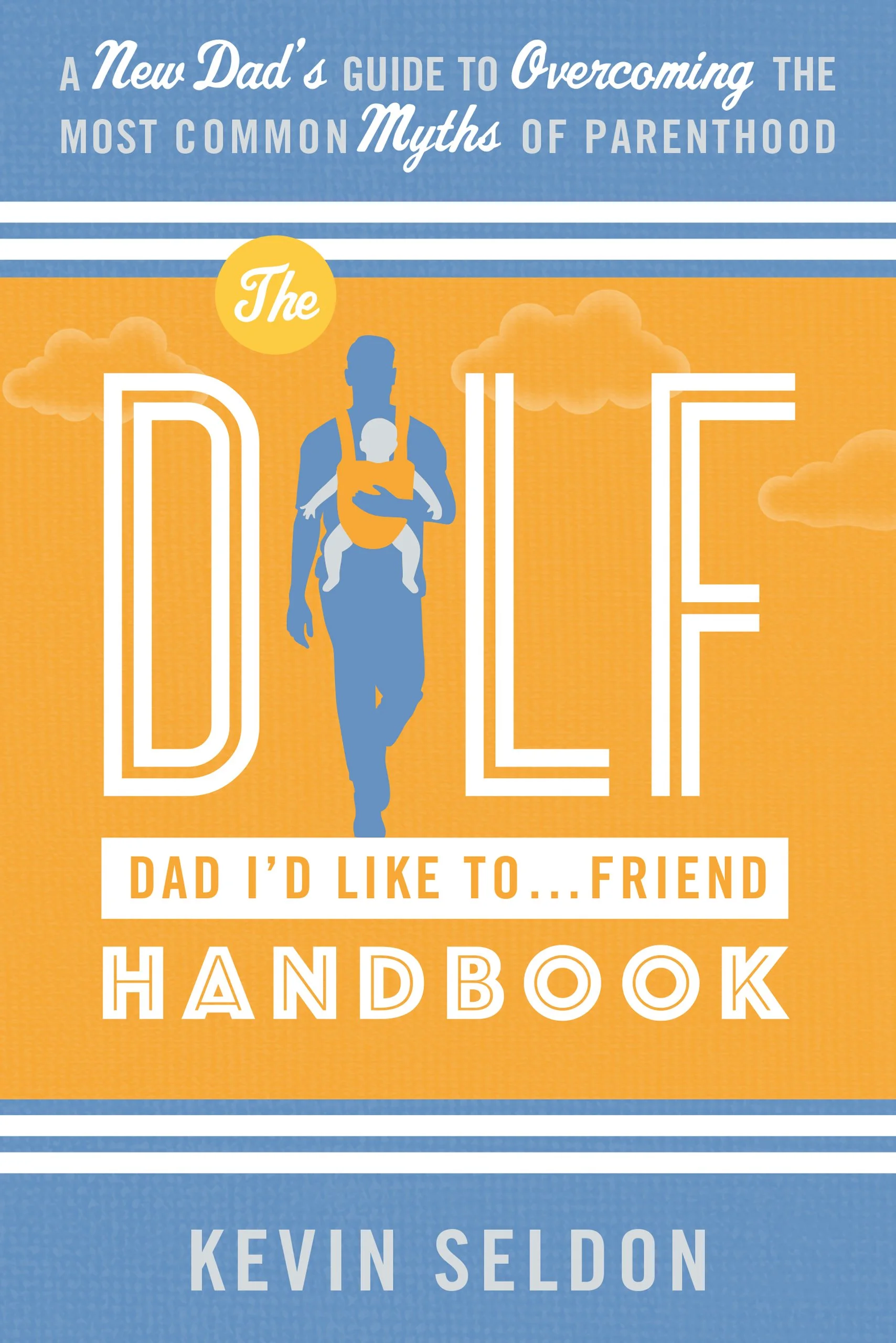
Newly released DILF Handbook
The myths that quietly break new dads
The DILF Handbook is built around myths Seldon heard repeatedly from new dads, paired with tools, education, and reassurance. These myths aren’t just wrong. They shape what fathers believe they’re allowed to feel, and what they think they have to hide.
One myth, he says, creates enormous shame.
“You will feel an instant bond with your baby,” he said. “That is just a point of so much shame.”
He calls it an “Instagram myth,” the polished story where everyone looks calm, grateful, and instantly connected. The truth is slower for many people.
“It’s time we start telling the truth about the struggles,” he said. “Not everyone bonds like that and there’s no shame in it.”
Sleep is another myth Seldon goes after directly, because it has a way of making everything else feel impossible.
In the chapter tied to the myth “you’ll never sleep again,” he introduces a term he coined, “freedom shifts,” and shares tactics designed to help parents prepare for the ups and downs of that season without both people being depleted at once.
The point isn’t that sleep deprivation won’t happen. It’s that parents deserve strategies focused on them, not just on the baby.
From Dad Supporting Dads to All Parents Welcome
As the community grew, Seldon paused the podcast and expanded the mission into a nonprofit, first through Dad Supporting Dads and then through All Parents Welcome.
“There are so many people out there who are non-birthing parents who are struggling and completely ignored in parenting culture,” he said.
Over time, he saw the same patterns show up beyond dads, including parents through surrogacy and adoption, and members of the LGBTQ+ community. All Parents Welcome started with dads as the first focus vertical, with the aim of building support for more paths to parenthood over time.
The goal is infrastructure, not just inspiration. Real communities. Real resources. A place where people can find language for what they’re experiencing, before it becomes a private crisis.
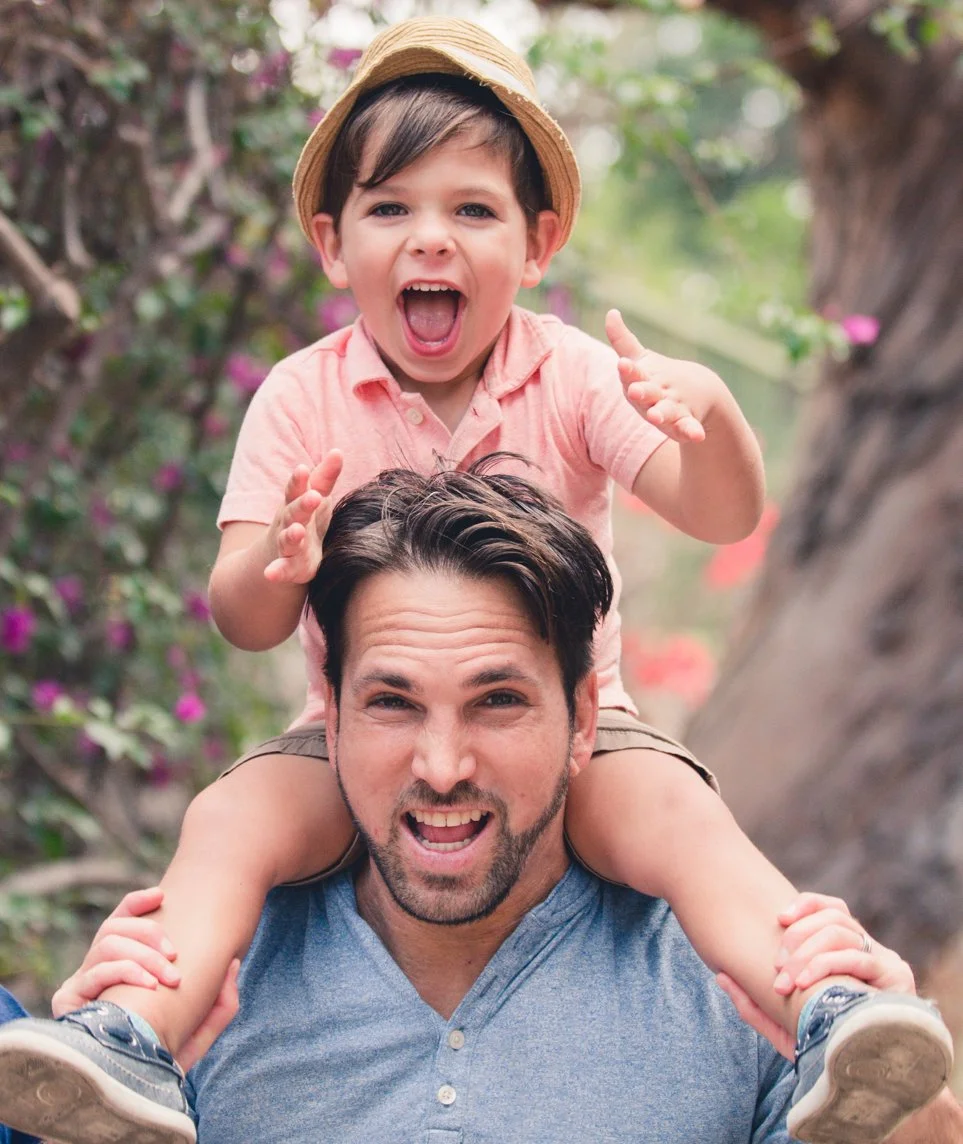
A foundation dads can actually stand on
Seldon doesn’t position this book as a replacement for classic parenting guides. He positions it as a missing layer, one that helps dads stay mentally well enough to show up.
The DILF Handbook is his attempt to replace silence with language, and isolation with support, so new dads don’t have to carry the hardest parts of early parenthood alone.
Not because dads need to be rescued.
Because they deserve support, too.
At Conspiracy of Love, we help changemakers tell their most powerful stories — stories that inspire action, build movements, and create lasting impact.
Find out more about our Values-Driven Storytelling and GPS to Purpose workshops, and how we can help you scale your impact.