How Share Our Strength And No Kid Hungry Are Investing In Systems That Lift Families Up
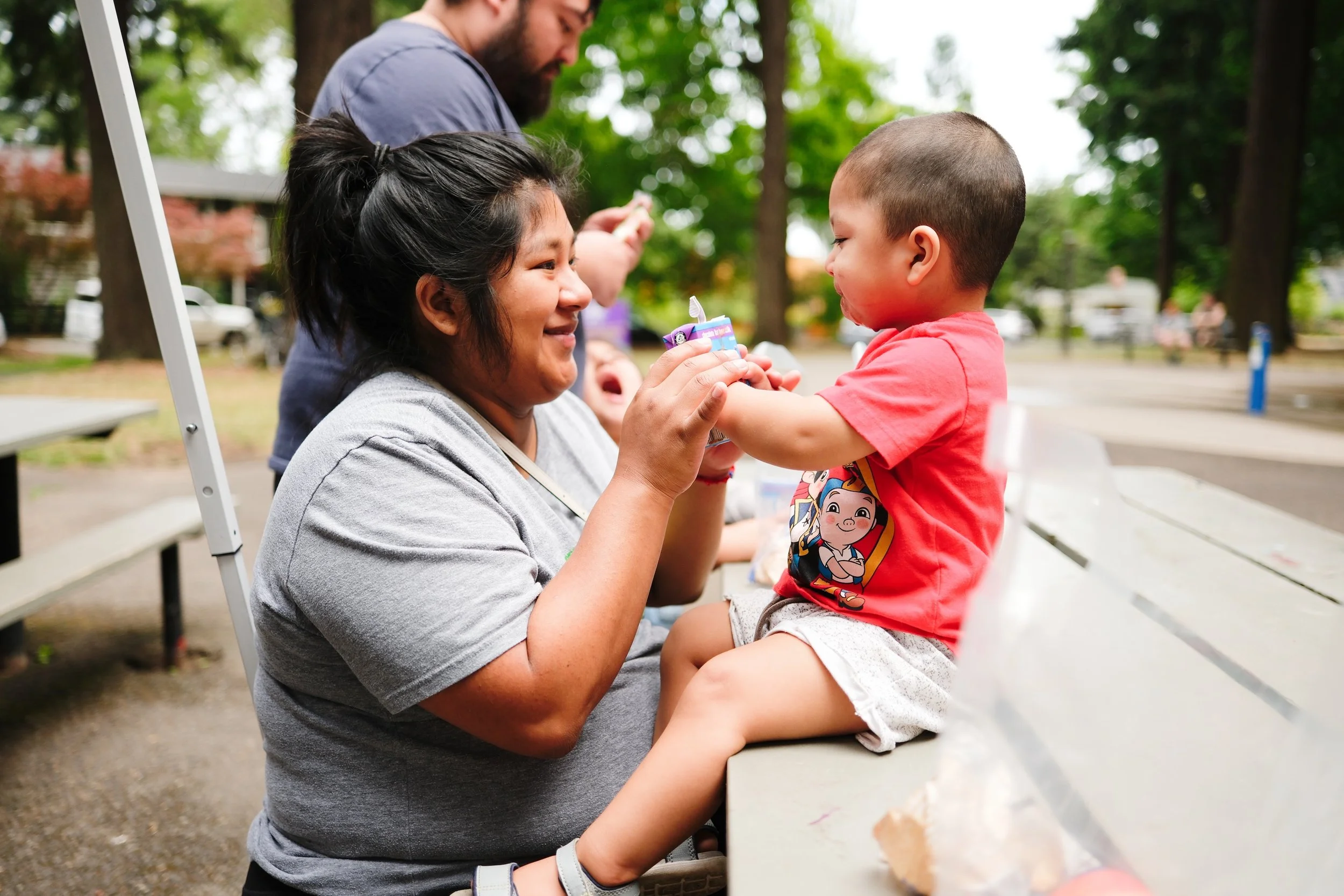
No Kid Hungry is working to end childhood hunger by helping launch and improve programs that give all kids the healthy food they need to thrive. | Channing Johnson Photography, Inc
Fifty-four percent of low-income parents have taken on a second job or extra hours to keep food on the table. The surprising part isn't the number. It's the cost hidden inside it: a quarter of those parents say it means fewer home-cooked meals and less time watching their own kids. Working more to feed your family, it turns out, can leave that family hungrier and less looked-after than before.
This is the trap Anne Filipic is trying to dismantle. As CEO of Share Our Strength, the organization behind the No Kid Hungry campaign, she has spent the last few years widening the question her field asks: not just how do we feed a hungry child today, but how do we help the family that child belongs to climb.
The math families are doing
Those figures come from a national survey of parents conducted in May 2026, in which No Kid Hungry also found that 70% of low-income parents worry about choosing between paying bills and buying healthy food, and more than 8 in 10 said rising costs had forced them to buy less food than usual. The trade-offs are stark: 45% have put off paying a utility bill, and 30% have skipped meals themselves so their kids could eat. The picture for mothers is starker still. The campaign's 2026 Mother's Day report found that nearly half of moms worry they can't consistently provide healthy meals, and almost 1 in 3 low-income moms took on debt in the past year just so their kids could eat. In state-level polling, some parents described skipping breakfast entirely and eating their first meal at 2 or 3 in the afternoon.
Filipic has a sharp way of naming the shift. "Hunger isn't a crisis away as it used to be," she says. "It's a utility bill away." Hunger, in other words, is no longer something that happens to other people. It's the thin margin most households sit just one bill above.
Why economic mobility became the work
A few years ago, No Kid Hungry expanded into something that doesn't look like a food program at all: helping single mothers grow their incomes. The logic is direct. If you're serious about ending childhood hunger, you have to go after its roots — and households led by single moms have the highest rate of food insecurity in the country, higher than one in three.
The goal isn't only to connect families to benefits like SNAP and WIC, though that matters. It's to help parents build income that, over time, they may not need those programs to survive. Filipic put the theory plainly when the Mother's Day data landed: the aim is to help moms access "job coaching, healthy food, childcare, and more flexible income," because when you invest in those things, moms thrive and their kids thrive too. A child's path, she believes, tracks the adult's. Lift the parent, and you lift the kid.
What that looks like in practice
This is where the job training and coaching come in. Filipic points to a woman named Tatiana, who came through New Moms in Chicago. She worked in its candle-making operation and moved into a management role, earning income while learning how to handle her bills and still put something into savings. She got connected to a nursing program at her community college, and to help with SNAP, WIC, and childcare.
Tatiana described it as generational change. Her own mother had been a single mom too, facing the same challenges without that support — and never managed to climb out of poverty. The difference was the scaffolding around her.
The detail Filipic keeps returning to is childcare. "You can give me all the opportunities in the world," she says of what these mothers face, "but if I don't have childcare, I can't participate." The barriers, in her telling, are rarely complicated. Childcare. Transportation. A schedule that actually works. Common-sense problems waiting on common-sense answers.
A different way to design help
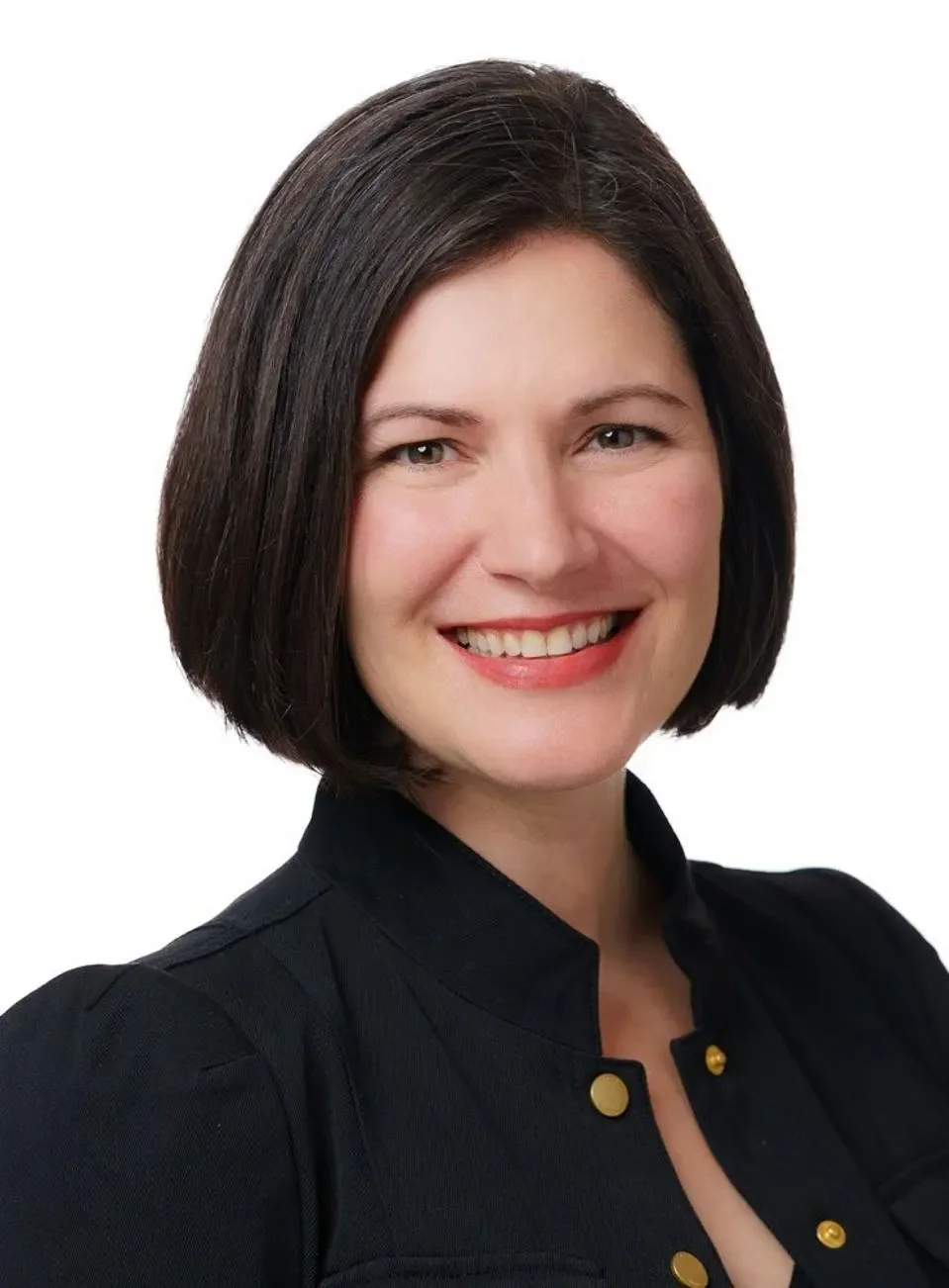
Anne Filipic, Chief Executive Officer of Share Our Strength | Share Our Strength
That instinct — meet people where they actually are — runs through everything. Take summer, historically the hungriest season for kids once school meals stop. For years a child could qualify for a summer meal and still go without, because getting it meant traveling in person, every day, sometimes twenty miles each way. "Something might be technically available to you," Filipic says, "but in reality it's not really accessible." The gap was stark: 30 million kids eligible, only about 3 million reached.
So the programs got redesigned around real life. Families could pick up a week of meals at once. A new grocery benefit, Summer EBT, let parents shop for food at home. The payoff was dramatic — from roughly 3 million kids a few years ago to nearly 19 million today. Her summary of the whole philosophy: "Rather than asking families to rearrange their lives to participate, we are designing the programs around the way that families live."
A solvable problem
Filipic refuses to treat any of this as inevitable. "This is not just an unavoidable reality," she says. "This is something that is a result of the decisions of our leaders, and can be corrected by our leaders." The evidence is already on the board. When summer meals were redesigned around how families actually live — letting parents pick up a week at once, or buy groceries through the new Summer EBT benefit — participation jumped from roughly 3 million kids to nearly 19 million in a few short years. That's the shape of the fix: not a new invention, but an old assumption thrown out. And it has rare reach. In polling across four states, voters were nearly unanimous that ending childhood hunger should be bipartisan.
The pressure on families isn’t easing. But that summer leap is proof of what's possible when the design starts from real life. The question Filipic leaves open is whether we choose to do more of it, on purpose.
At Conspiracy of Love, we help changemakers tell their most powerful stories — stories that inspire action, build movements, and create lasting impact.
Find out more about our Values-Driven Storytelling and GPS to Purpose workshops, and how we can help you scale your impact.