How Mastercard’s Inclusive Growth Strategy Has Helped A Billion People - And What’s Next
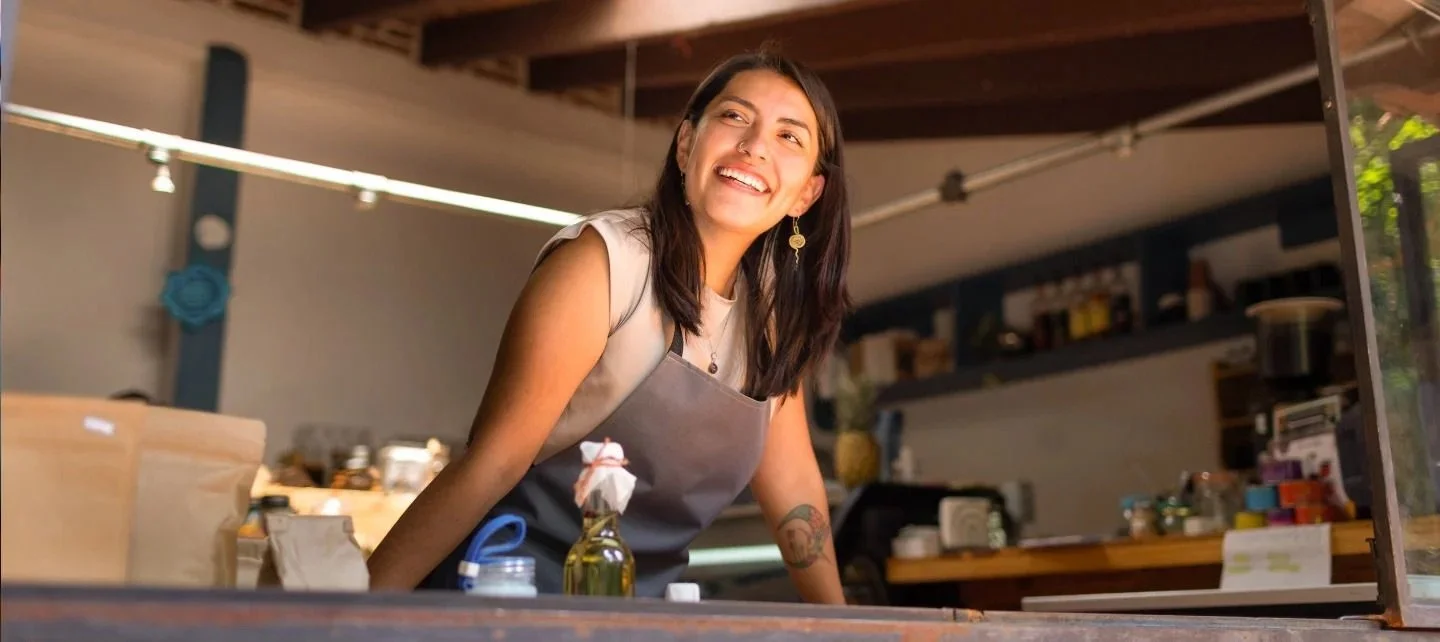
Mastercard has now connected 1 billion people and more than 65 million small businesses to the digital economy, a milestone that signals more than reach. | Mastercard
At a moment when many corporate impact commitments are getting quieter, Mastercard is making the opposite case. Mastercard has now connected 1 billion people and more than 65 million small businesses to the digital economy, a milestone that signals more than reach. It points to a deeper belief about what economic growth should do — and who it should serve.
That belief runs through the work of Ellen Jackowski, Mastercard’s Chief Sustainability Officer, and Shamina Singh, founder and president of Mastercard’s Center for Inclusive Growth. Jackowski leads Mastercard’s broader impact agenda across People, Planet and Prosperity. Singh has helped shape the company’s long-term approach to financial inclusion and financial health. Together, they frame inclusion not as a side effort, but as a business strategy. As Jackowski put it, Mastercard is focused on “doing well by doing good.”
A broader view of growth
Corporate purpose often sounds vague. Singh’s definition of inclusive growth does not. For her, it means ensuring that “the benefits of growing economies extend to everyone.”
That idea has guided Mastercard for more than a decade. The company first set a goal of bringing 500 million people into the formal financial system. During Covid, when many companies were scaling back big commitments, Mastercard expanded the target to 1 billion people and added 60 million small businesses, with a focus on women-led businesses.
The logic was both moral and commercial. Bringing more people into the digital economy can widen opportunity, strengthen local economies and build a more resilient system. It also deepens the trusted networks on which Mastercard depends.
Singh captured that link in a line that gets to the center of the story. “Networks power the economy,” she explained. “And your proximity to networks determines your success.”
This is what gives Mastercard’s strategy its force. It is not only about payments. It is about participation.

Ellen Jackowski, Chief Sustainability Officer | Mastercard
When access becomes agency
The word ‘inclusion’ can feel abstract until it is tied to a real person.
Jackowski pointed to a project in Egypt, where Mastercard helped move garment workers from cash payments to digital wallets. In those factories, the workforce was largely female. When wages were paid in cash, many women had little control over what they had earned. “The husband takes it, the father takes it,” Jackowski recalled.
A digital wallet did not erase the deeper inequalities surrounding those workers. But it did change something immediate. It gave them more direct control over their income. It made it harder for someone else to physically take their wages. That meant a better chance to save, plan and make decisions for themselves.
Jackowski linked that directly to resilience. In places already under pressure from drought, rising food prices and other climate-related shocks, access to digital financial tools can help people absorb sudden strain because they are better able to save and manage their money.
She pointed to a second example through Community Pass, including Farm Pass, which focuses on farmers in Africa. In many of those communities, supply chains have long been cash-based, inefficient and dependent on middlemen. Moving farmers into digital systems helps them keep more of what they earn, save more effectively and participate in markets on better terms.
A similar approach is shaping Mastercard’s work in India through She Leads Bharat:Udyam, part of the Mastercard Strive program, which has already reached 100,000 women entrepreneurs, including in Rajasthan, by helping them use digital tools to build and grow their businesses.
That is where Mastercard’s inclusion story becomes relatable. It is not just about an account or a card. It is about whether someone can hold onto their wages. Whether a farmer can lose less to friction in the system. Whether a family has any cushion when life gets harder.
From access to resilience
Reaching 1 billion people is a major milestone. But neither Jackowski nor Singh sees access as the finish line.
That is why Mastercard has set a new goal to connect and protect 500 million people and small businesses on their journey toward financial health by 2030. The shift in language matters. The first phase was about bringing people in. The next is about helping them stay in and thrive.
“Access isn’t enough,” Singh argued.
That reflects how much the economy has changed over the past decade. The world has moved from analog to digital, from digital to data-driven and now toward AI. In that environment, connection alone does not create security. Trust matters. Consumer protection matters. Cybersecurity matters. The ability to use financial tools with confidence matters.
Singh sees AI as part of that next chapter. For Mastercard, this is not a sudden pivot but an extension of earlier work on data inequality and access. She pointed to Data.org, launched with the Rockefeller Foundation, and to support for ventures such as Karya, which creates paid digital work for low-income communities in India through structured local-language tasks that help train AI systems, building language-learning models in ways that also create jobs and royalties for workers. For Singh, that represents “the powerful, positive possibilities that come with AI.”
The business case for resilience is also concrete. Research from the World Bank and the Mastercard Economics Institute found that during hurricanes, in-store sales at affected merchants fell 15.1% relative to baseline, while online sales declined 10.6%. The smallest losses were among merchants with more than 80% of sales online. For a small business owner debating whether a digital channel is worth the effort, that gap can shape whether the business survives the shock.
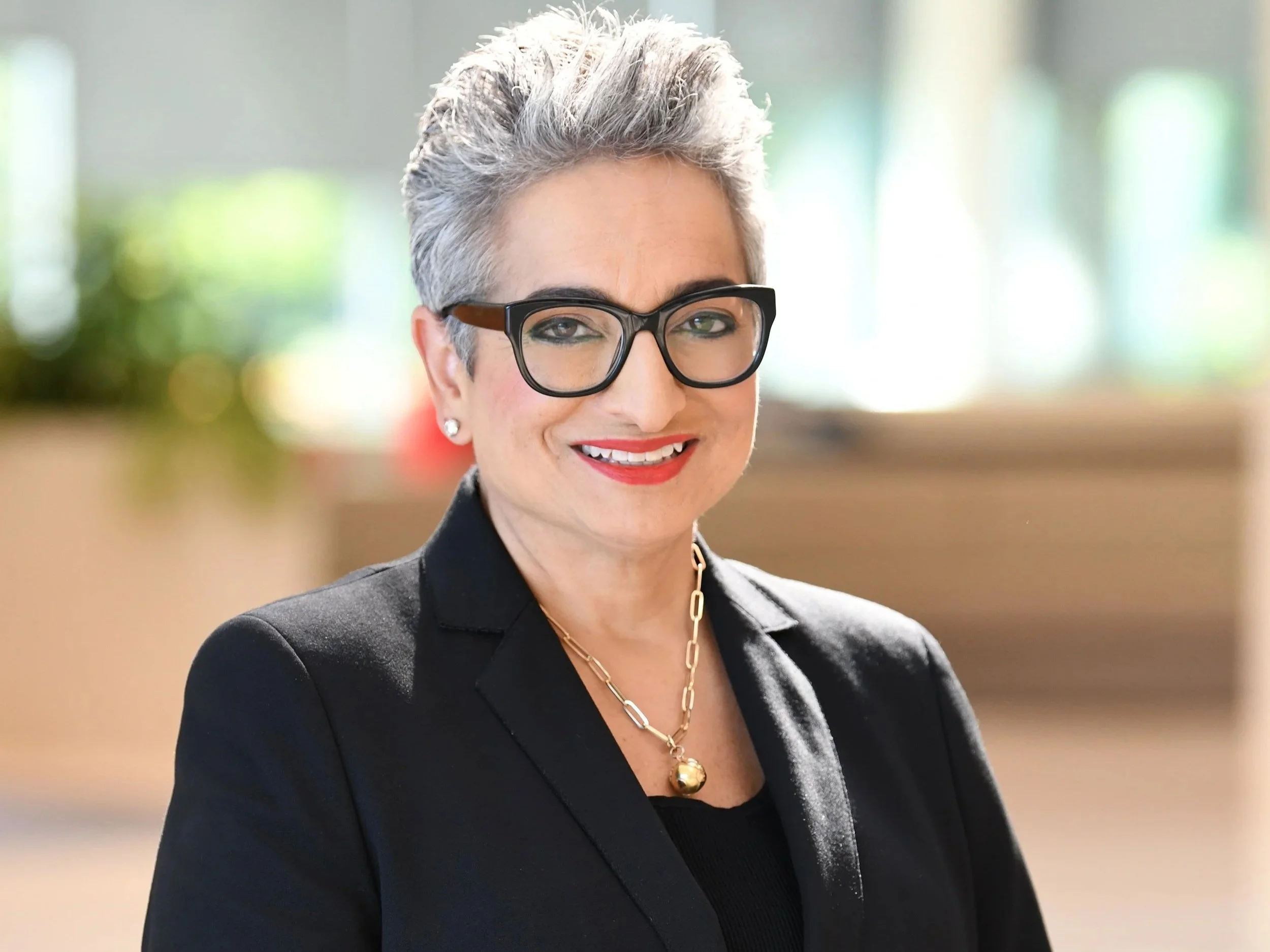
Shamina Singh, founder and president of Mastercard’s Center for Inclusive Growth | Mastercard
Making better choices easier
Jackowski’s work also shows how this philosophy extends beyond financial inclusion. Mastercard’s impact strategy is organized around three pillars: people, planet and prosperity. On the climate side, that includes a commitment to reach net zero by 2040 and efforts to help consumers and businesses make better-informed choices. That work includes the company’s Carbon Calculator and the Priceless Planet Coalition, which is helping fund the restoration of 100 million trees across 22 sites.
It also includes making lower-waste systems easier to use.
At Blenheim Palace in the UK, Mastercard helped support a reusable cup system that lets visitors get their deposit back almost instantly when they return the cup to a reverse vending machine. The result was not just less waste. Blenheim cut its spending on single-use cups from £100,000 to £50,000, while customer satisfaction also improved.
That same model is now being scaled in Copenhagen and Frederiksberg, where a reusable takeaway packaging system lets customers pay a 5 DKK deposit and receive it back digitally when they return cups or containers at one of more than 54 reverse vending machines. The rollout builds on earlier success in Aarhus and already includes participating cafés and retailers, with bowls and trays expected to follow.
The appeal is simple. Most people want the sustainable choice to be the easy choice. Mastercard’s role is not to persuade consumers with lofty language. It is to remove friction so better behavior feels natural.
What this model gets right
What makes Mastercard’s story compelling is not just the scale of its commitments. It is the way those commitments connect to ordinary moments in people’s lives.
A woman keeping control of her income. A farmer holding on to more of what he earns. A small business surviving a storm because it has a digital sales channel. A customer returning a reusable cup without hassle.
These are small moments on their own. Together, they suggest a larger truth. The strongest business strategies are not only about scale. They are about building systems that let more people participate, more safely and more fully, in the future that is already arriving.
That may be Mastercard’s most important point. Growth means more when more people can share in it.
At Conspiracy of Love, we help changemakers tell their most powerful stories — stories that inspire action, build movements, and create lasting impact.
Find out more about our Values-Driven Storytelling and GPS to Purpose workshops, and how we can help you scale your impact.