How Debbie Levin Turned The Environmental Media Association Into Hollywood’s Sustainability Engine
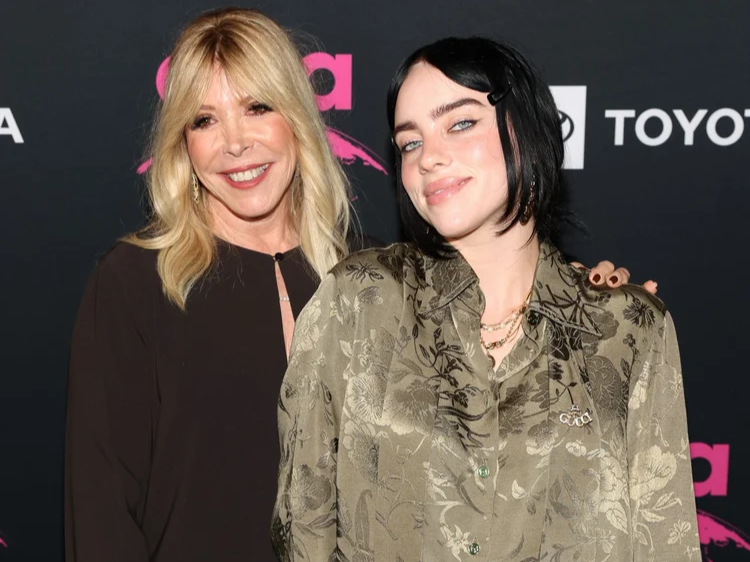
EMA CEO Debbie Levin and Billie Eilish, 2022 EMA Missions in Music Honoree at the 2022 EMA Awards | Getty Images for the Environmental Media Association
The event was small. The room was unremarkable. But for Debbie Levin, attending the Environmental Media Awards in 1999 changed the course of her life.
At the time, sustainability was not yet central to how she saw the world. She recycled, cared deeply about her children and their future, and was active in their school community. But she had not grown up immersed in environmental issues, nor had she connected them to the power of storytelling.
Then something clicked.
“This is something that is so important,” she recalled thinking. “And it makes so much sense to do it with storytelling.”
That moment became the beginning of a 26-year journey leading the Environmental Media Association, the nonprofit behind the Environmental Media Awards.
Levin came to the role with a rare mix of instincts. She had studied film at USC, worked as a film critic early in her career, and understood how stories shape public behavior. So when she was introduced to the organization behind the awards, she started asking hard questions. Why wasn’t this bigger? Why didn’t more people know about it? Why wasn’t the message reaching the families and communities it needed to reach?
Soon after, she was asked to run the Environmental Media Association. What she did not fully realize was how fragile it had become. When she arrived in early 2000, there was one assistant signing checks, few files, little money, and only a small remaining board. The Environmental Media Awards still had a recognizable name, but the association behind them was barely functioning.
Levin’s first job was not just to preserve the awards. It was to rebuild the institution.
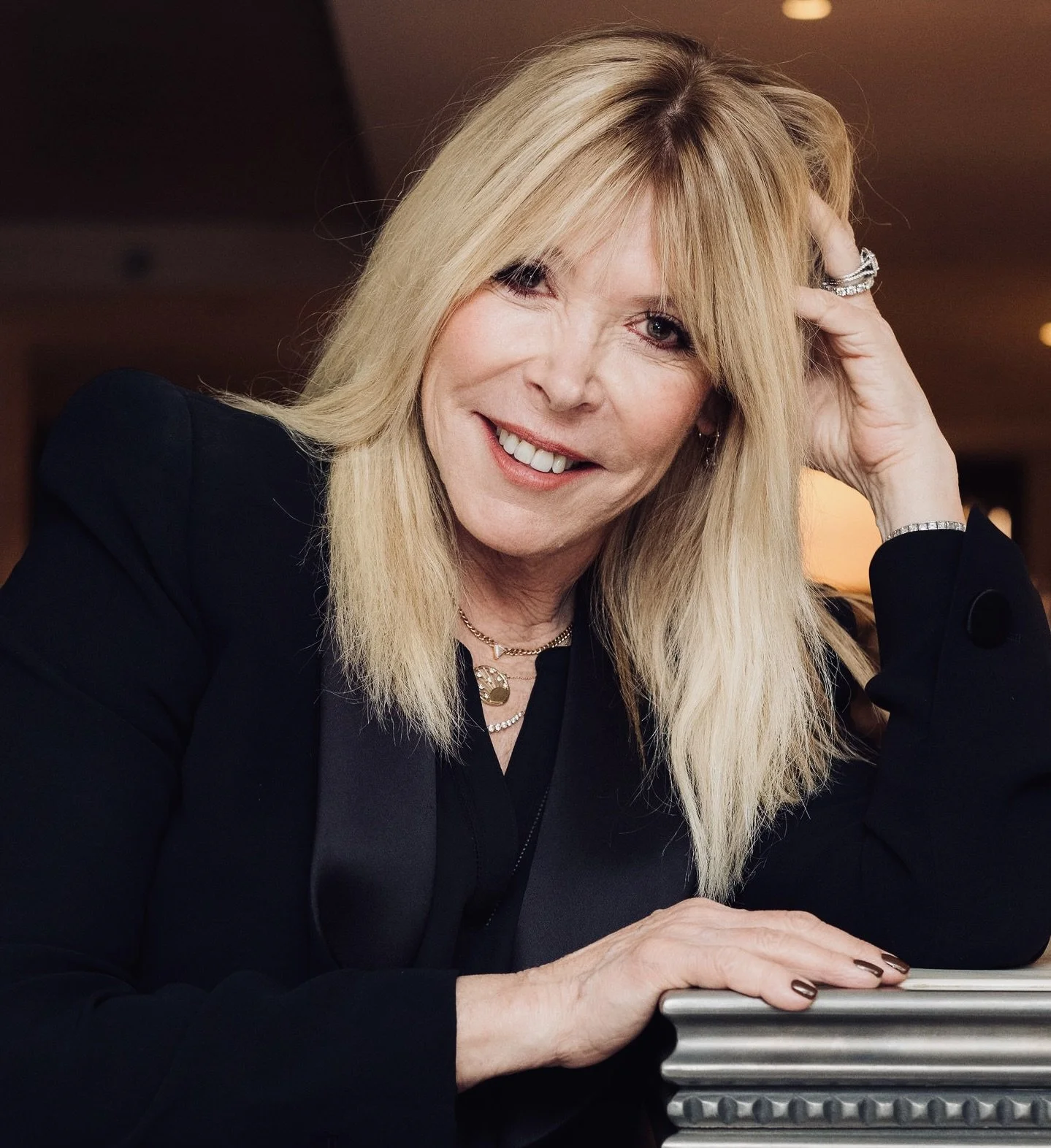
Debbie Levin, CEO of EMA | Environmental Media Association
Making sustainability feel culturally alive
As she began attending environmental events around Los Angeles, she noticed something that felt immediately limiting. Many of the spaces were earnest, but disconnected from the energy of the city and the audiences she believed needed to be engaged.
“We have to be pop culture,” she said. “We have to be cooler than the narrative that’s going on now.”
That became her strategy.
At the 2000 Environmental Media Awards, Levin made sure the event felt younger, more current and more connected to Hollywood. She brought in talent that could create excitement and visibility, including Wendy Malick and David Ogden Stiers as hosts. The point was not just to make the awards more glamorous. It was to make environmental storytelling feel relevant and emotionally resonant.
She also pushed for the association’s values to show up in the details of the event itself. If an environmental awards show was serving conventional hotel food, she felt the message rang hollow. Working with organic pioneer Bob Scowcroft and chefs including Nancy Silverton and the founders of Border Grill, she helped make the awards one of the first environmental galas to fully embrace organic food.
That practical mindset would define much of her leadership. She was not interested in symbolism alone. She wanted systems to match the story.
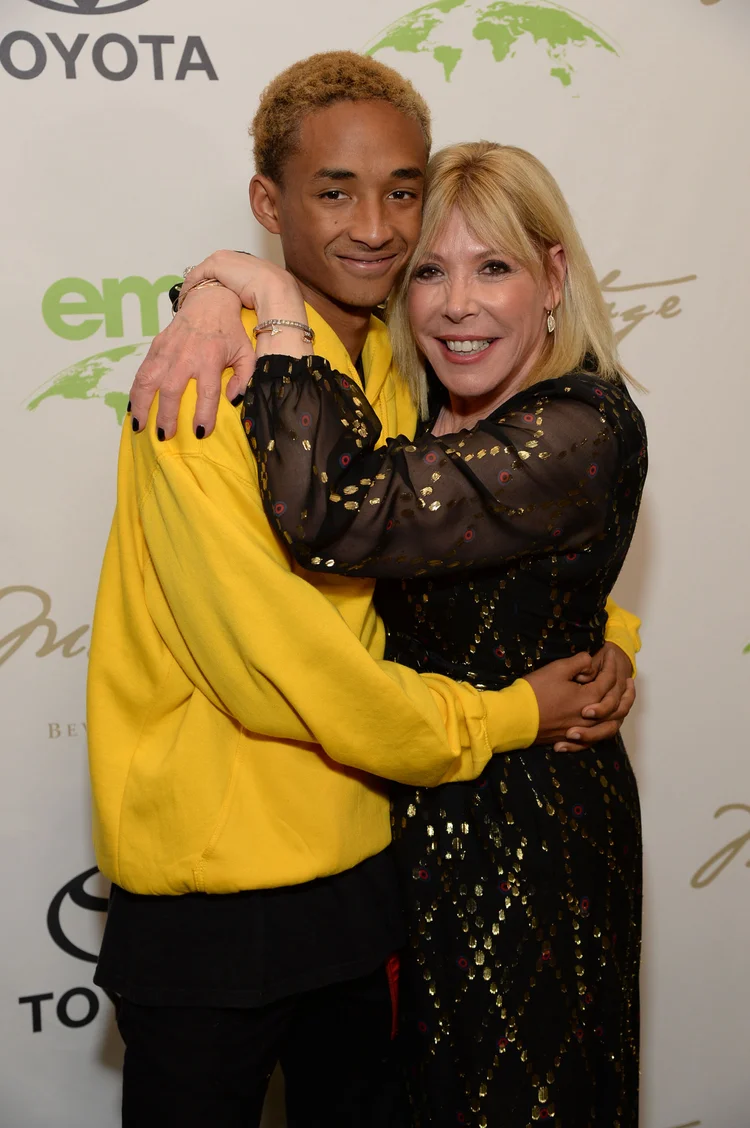
EMA CEO Debbie Levin & EMA Board Member Jaden Smith at 2018 EMA Awards | Getty Images for the Environmental Media Association
Making sustainability part of everyday life
That same instinct shaped one of the Environmental Media Association’s most visible partnerships.
When Levin first heard about the Prius, she immediately saw its broader potential. It was not asking people to completely change their lives. It offered a familiar behavior, driving a car, with a different impact and a visible signal.
“You’re still driving a car,” she said. “You still get gas, but you’re just getting it like half the amount of time.”
Levin believed Hollywood could help turn that choice into a lifestyle marker. She started with the association’s board, then reached agencies and celebrity networks. Soon, Priuses were appearing at major red carpets, including the Oscars, Grammys, Emmys and Golden Globes.
But for Levin, the car was never the whole story.
“Once you get this car, you’re going to naturally want to, what kind of food are you bringing into the home? What kind of cleaning products are you bringing in?” she said. “It was a lifestyle.”
That idea runs through much of her work. Sustainability becomes more powerful, in her view, when it is framed not as sacrifice or abstraction, but as something personal and connected to daily life.
“You want to keep your family healthy, don’t you?” she said. “You want clean water. You want clean air.”
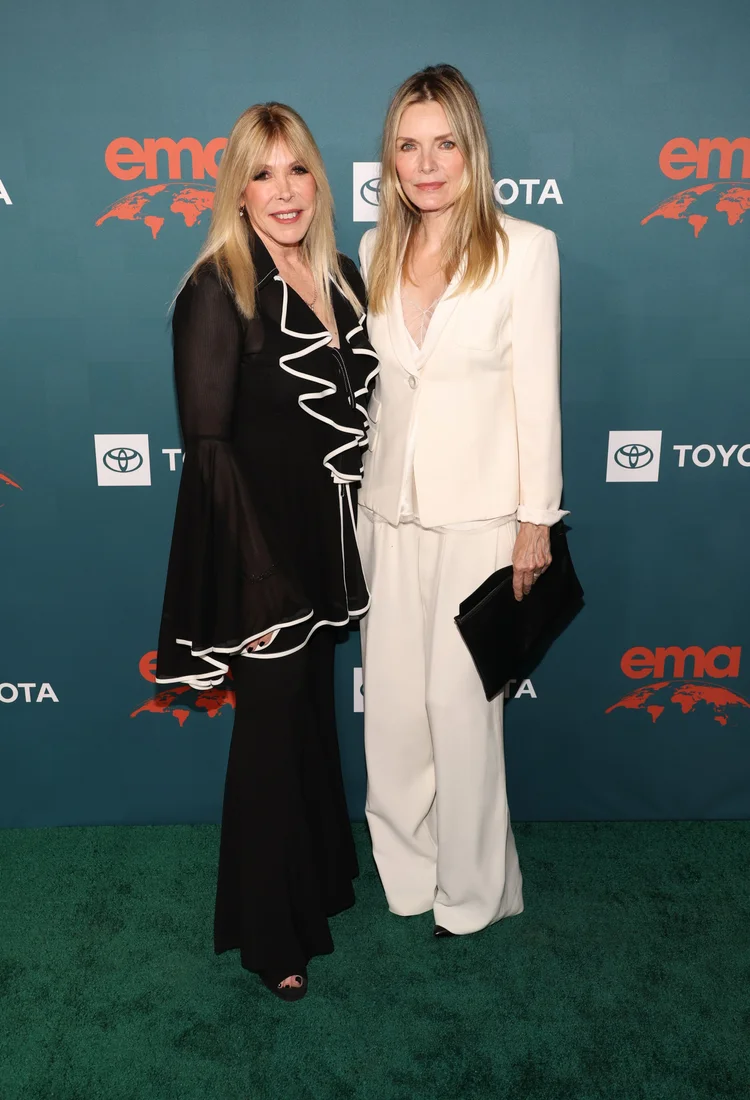
EMA CEO Debbie Levein and Michelle Pfeiffer at the 2024 EMA Awards | Getty Images for the Environmental Media Association
The idea behind the EMA Green Seal
That same clarity led to one of the Environmental Media Association’s most lasting contributions, the EMA Green Seal.
The idea came while Levin was visiting a set to talk with producers about environmental storylines. As she waited, she noticed a trash can filled with scripts, banana peels and plastic water bottles all mixed together. Productions were willing to talk about green values on screen, but not yet applying them behind the scenes.
“We are not even thinking about the soundstages,” she remembered telling board chair Billy Gerber. “This is awful.”
From that frustration came a new standard. The association gathered producers, executives, board members and talent to create practical criteria for more sustainable production. The EMA Green Seal became a certification for film and television productions that met those standards on set, covering behind-the-camera operations rather than just the story onscreen. The first Green Seals were awarded in 2004, years before most studios had formal sustainability departments.
Just as important, Levin made sure the work was visible.
“Anything that you do in a vacuum is not going to educate anybody,” she said.
So the association did more than certify productions. It celebrated them through the awards, press and social media. That made better behavior something others could see and aspire to. It also helped turn the Green Seal into a point of pride, not just a behind-the-scenes checklist.
Building community around optimism
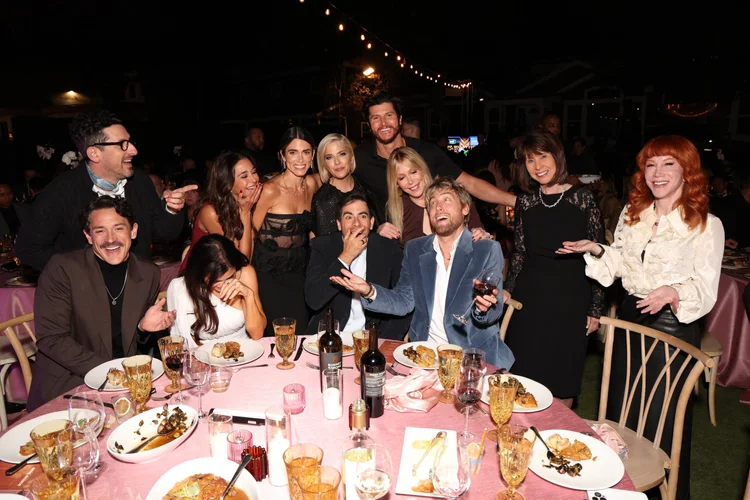
Jenna Dewan, Selma Blair, Kathry Griffin celebrate with EMA CEO Debbie Levin and EMA Board Members Lance Bass, Emmanuelle Chriqui, Nikki Reed, and Eli Roth at the 2025 EMA Awards | Getty Images for the Environmental Media Association
That visibility helps explain why so many actors, musicians, producers and younger digital talent have been drawn to the organization over the years. Levin has built something that is distinctly Hollywood, but grounded in genuine community and shared purpose.
“We’re being optimistic and solution oriented, hopeful,” she said. “We’re all together and we love being here.”
That sense of community extends well beyond the spotlight. Levin credits much of the organization’s staying power to the people who helped shape EMA from the inside. Aicha Bangoura, EMA’s Director of Operations for nine years, has been a key partner in turning ambitious ideas into reality. Jay Jasinski, who has led marketing and social for nearly 12 years, helped shape a voice for EMA that feels genuine, hopeful, entertaining and inspiring. Her son, Asher Levin, became an important creative force on campaigns and production, including IMPACT. She also points to environmental activist John Quigley, whom she met in her first week on the job in 2000, as a constant ally and close friend throughout her tenure.
That may be the real achievement of her leadership. Debbie Levin did not just keep the Environmental Media Association alive. She helped turn it into a bridge between culture and action, using the Environmental Media Awards as one visible platform while building a broader organization that could shape behavior across the industry.
As she put it, “Personal responsibility and empowerment, to me, is the key to changing everything.”
Over more than two decades, Levin has helped make the Environmental Media Association more than an industry nonprofit and the Environmental Media Awards more than a single annual event. Together, they became a way of translating environmental values into cultural behavior.
In a space where fear often dominates the conversation, she chose something harder to build and far more durable — relevance, optimism and momentum.
At Conspiracy of Love, we help changemakers tell their most powerful stories — stories that inspire action, build movements, and create lasting impact.
Find out more about our Values-Driven Storytelling and GPS to Purpose workshops, and how we can help you scale your impact.