How Darla Moore And ArtFields Helped Lake City Thrive - And Created A Model For Rural Communities Everywhere
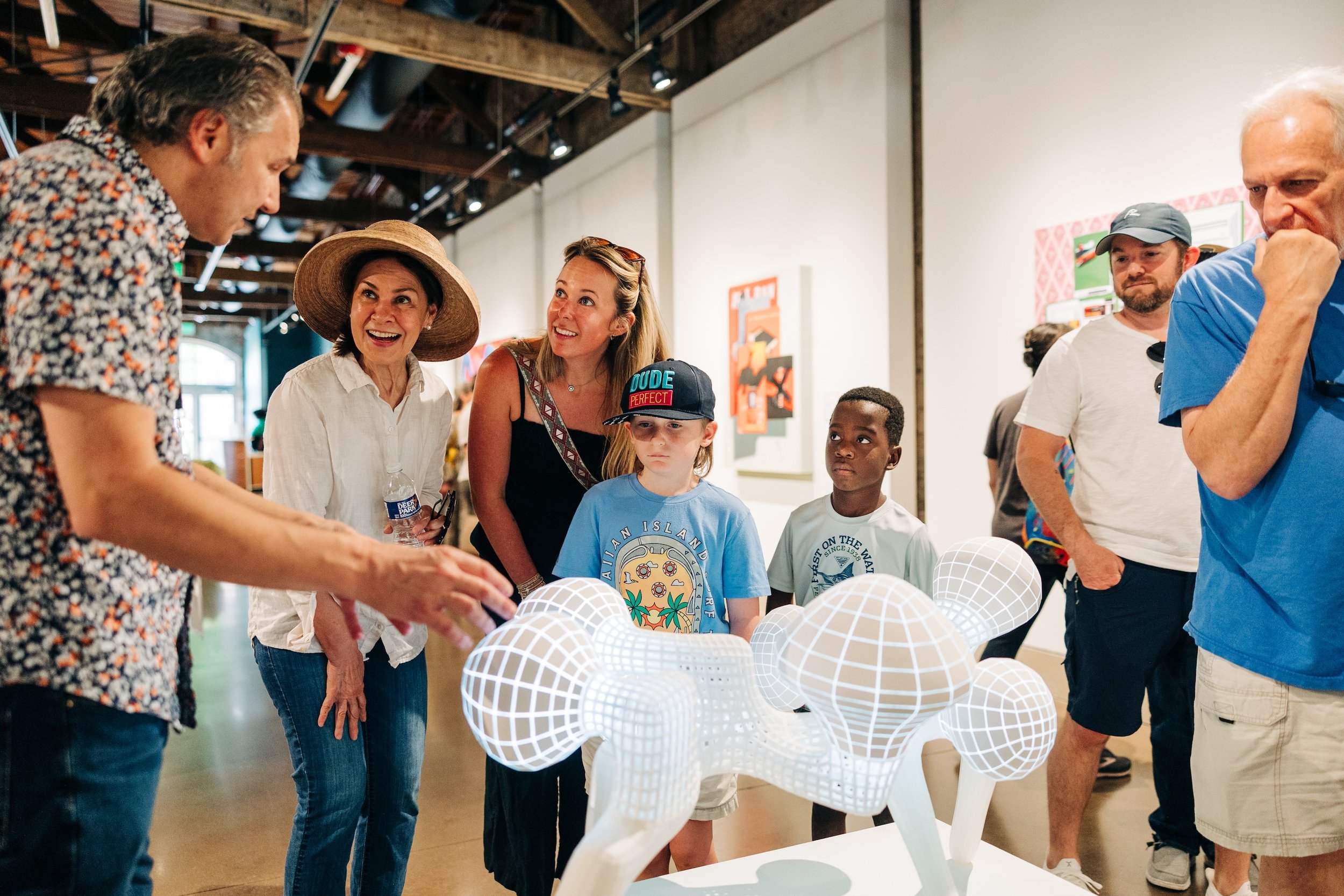
Bubble Tree by Igor Vavrovsky | Mike Baker & SECOND FLOOR MEDIA
There is a moment in every struggling town when the question stops being “How do we fix this?” and becomes something more vulnerable.
Why would anyone come here?
That was the question sitting in the middle of a room in Lake City, South Carolina, years ago, as philanthropist and community builder Darla Moore remembers it. The town felt “bombed out,” Moore told me, but she believed something stubborn was still intact. “We still had entrepreneurial bones.”
Moore knows a thing or two about entrepreneurialism. She is a legendary American investor, philanthropist, and one of the most influential business leaders of her generation. She rose to prominence as a managing director at Chemical Bank and later as vice president, then president and CEO, of the private investment firm Rainwater Inc., where she helped expand assets under management and was recognized as one of the 50 Most Powerful Women in American Business, becoming the first woman featured on the cover of Fortune magazine.
After a celebrated Wall Street career, she turned her focus to philanthropy and community revitalization—founding the Charleston Parks Conservancy and the Palmetto Institute, giving transformative gifts to educational institutions including a record donation to the University of South Carolina’s business school (now named the Darla Moore School of Business), and establishing the Darla Moore Foundation.
A native of Lake City, South Carolina, she has invested deeply in her hometown through initiatives like ArtFields, the Moore Farms Botanical Garden, and the $25 million Continuum regional education center, as well as significant scholarship programs that expand access to higher education across the state.
What she and a team of fellow, passionate citizens built in Lake City has become a national model for rural revitalization. Not because it relied on a single silver-bullet idea, but because it treated art, education, and opportunity as one connected system. ArtFields, the town-wide art competition and festival, put Lake City on the map. The deeper story is what happened after the crowds went home.
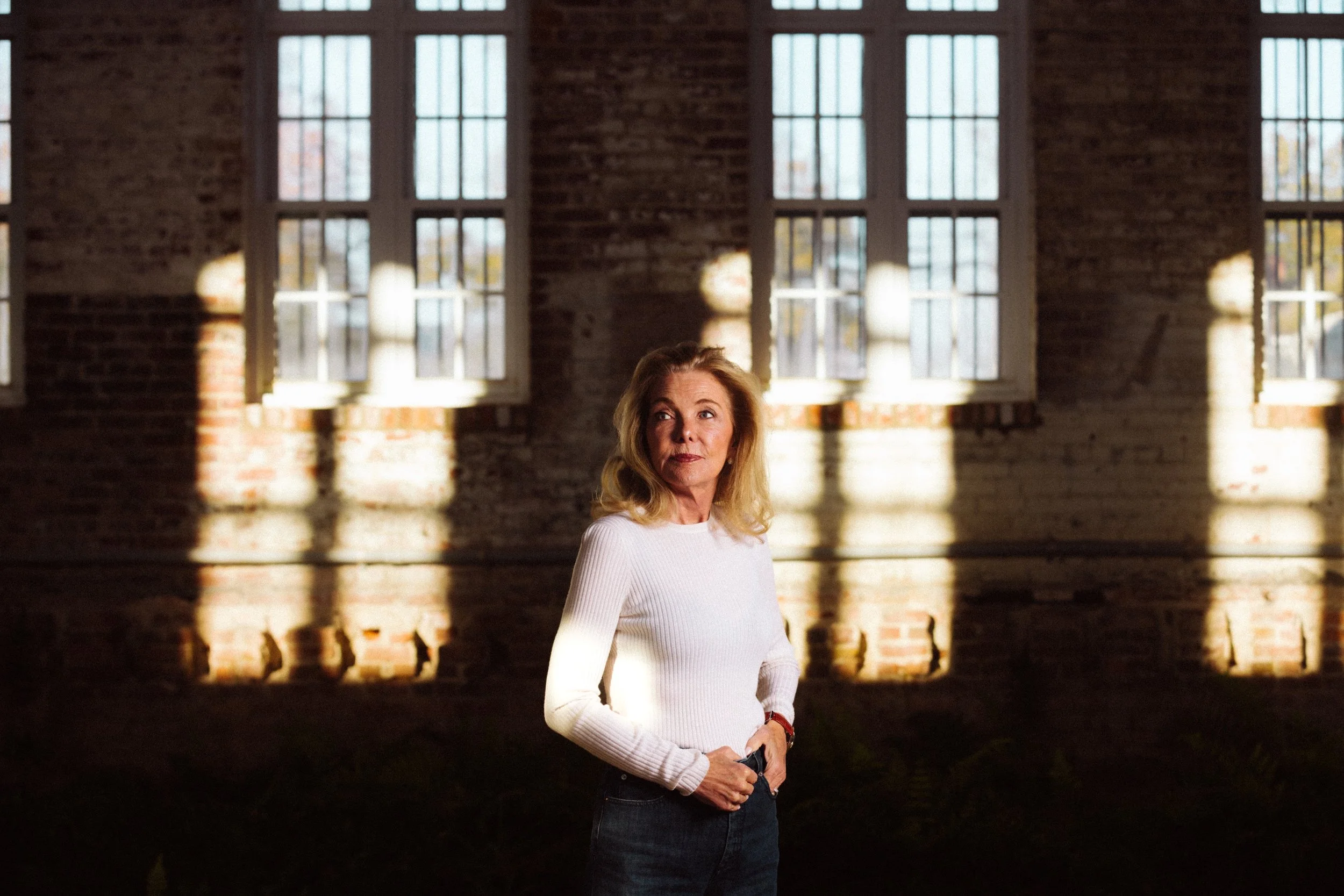
Darla Moore | Mike Baker & SECOND FLOOR MEDIA
From a Spark to a Town-Wide Stage
ArtFields did not begin as a perfectly engineered plan. It began as an experiment.
“We were throwing spaghetti at the wall,” Moore said. A young colleague mentioned an art competition in Grand Rapids that drew 250,000 people. Lake City is not Grand Rapids, and visual art was not the town’s identity.
“We’re not visual art people — but could we tailor something like that?” Moore recalled thinking. “And lo and behold, through stumbling and bumbling,” she said, “we built a Southeastern art competition that flowed through every shop in town.”
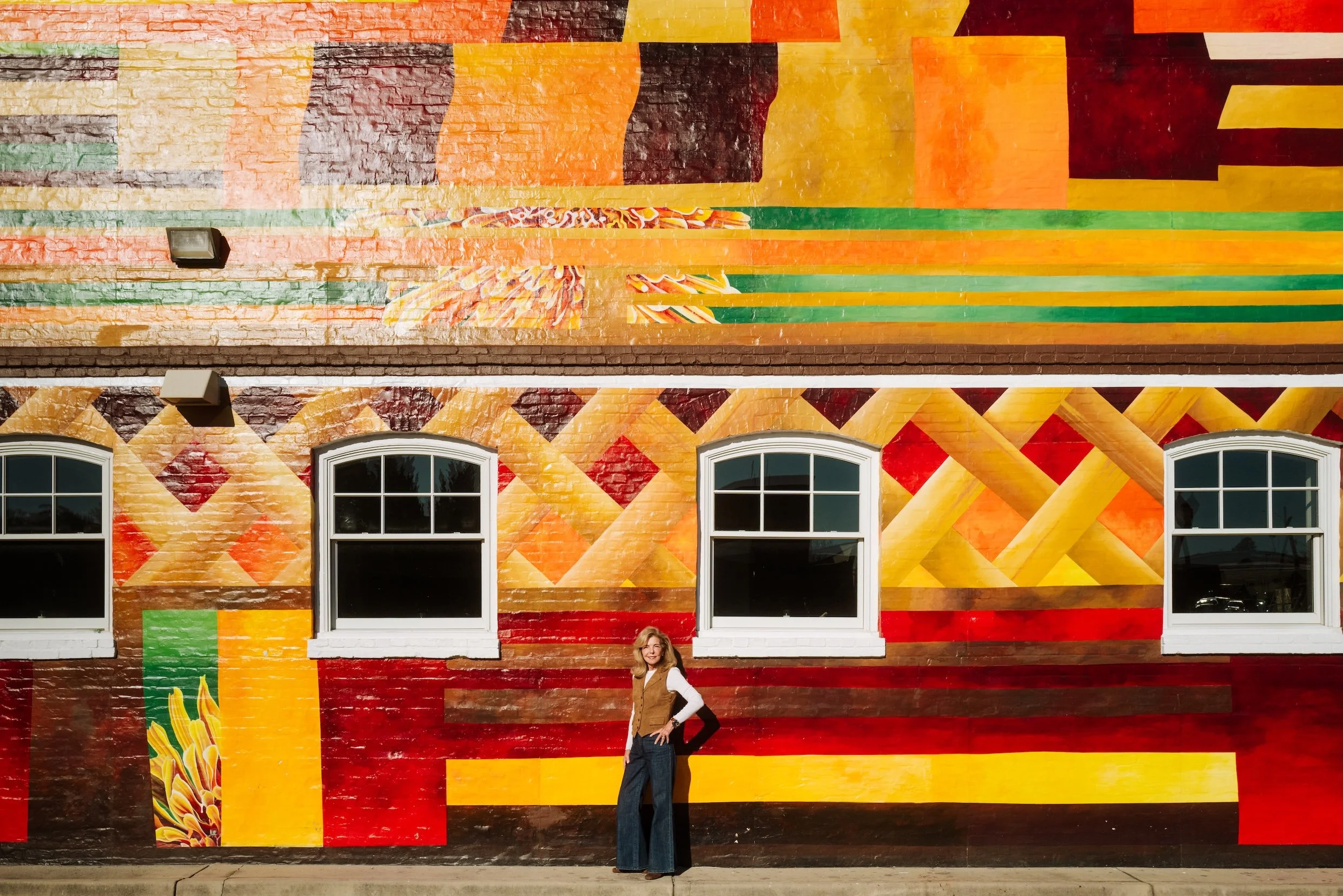
That design choice matters. ArtFields was built to move through the whole community, not sit behind the doors of a single venue. Storefronts became galleries. Businesses became hosts. “It hit an extraordinary nerve,” Moore said.
Today, the transformation is visible in the details. Lake City’s venues look like “something out of SoHo curated by professionals,” Moore noted, while the shops are curated by locals who, for years, only thought of art as “a picture of a wooden duck and a Labrador.”
Mike Baker & SECOND FLOOR MEDIA
The Risk of Being Only a Festival Town
A successful event can bring visitors for a weekend. Durable change takes an ecosystem.
“We rebuilt the town into a year-round destination,” Moore said. New shops opened. People visit “just to wander or see the galleries.” But as Moore added, “revitalizing a building isn’t enough, you have to reinvent the entire economy.”
That reinvention meant thinking beyond tourism and into the conditions that help people stay. Workforce development. Education. Small businesses. Opportunity that is local, not a drive away.
Turning an Old Walmart Into a Pathway
One of the most consequential moves in Lake City’s transformation was also one of the most practical. The town took an old Walmart store and turned it into the Continuum, a school built around access.
In collaboration with local public schools, the local university, and the local technical college, the Continuum lets students earn AP credits and dual credits, welding certifications, or mechatronics training under one roof. The point is proximity.
Rural students often face barriers that have less to do with talent and more to do with logistics. As Moore put it, “most can’t access training even 30 miles away.”
The outcomes can be immediate. “I’ve watched a kid step straight into an $80,000-a-year job right out of high school because they had access to the necessary training locally,” Moore said. “That’s the kind of change that lasts.”
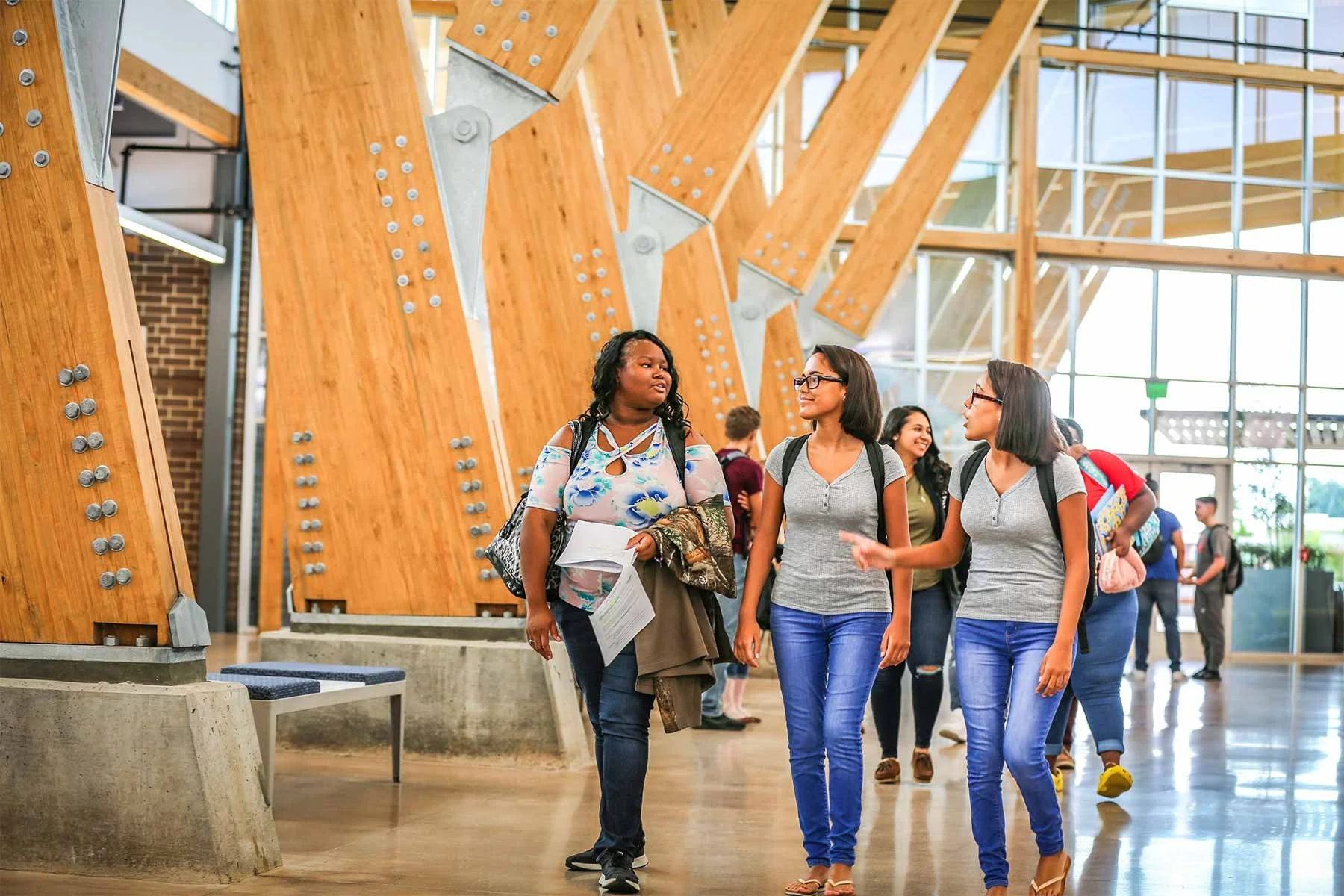
In collaboration with local public schools, the local university, and the local technical college, the Continuum lets students earn AP credits and dual credits, welding certifications, or mechatronics training under one roof. | The Continuum
A Thirty-Year View of Change
Revitalization is often framed as a quick turnaround story. Moore frames revitalization as a long game.
“Rural revitalization isn’t a quick fix,” Moore said. “I’m in the second 15-year phase now.” The anchors are in place — ArtFields, the venues, the Continuum — and the priority is “sustainability and expansion to ensure the work outlives me.”
That ambition requires partners. Lake City has brought in outside support and partnered with the State of South Carolina, the county, and economic development groups including the local utility to create more jobs and educational opportunities.
The guiding principle is straightforward: “keep growing without losing our character.”
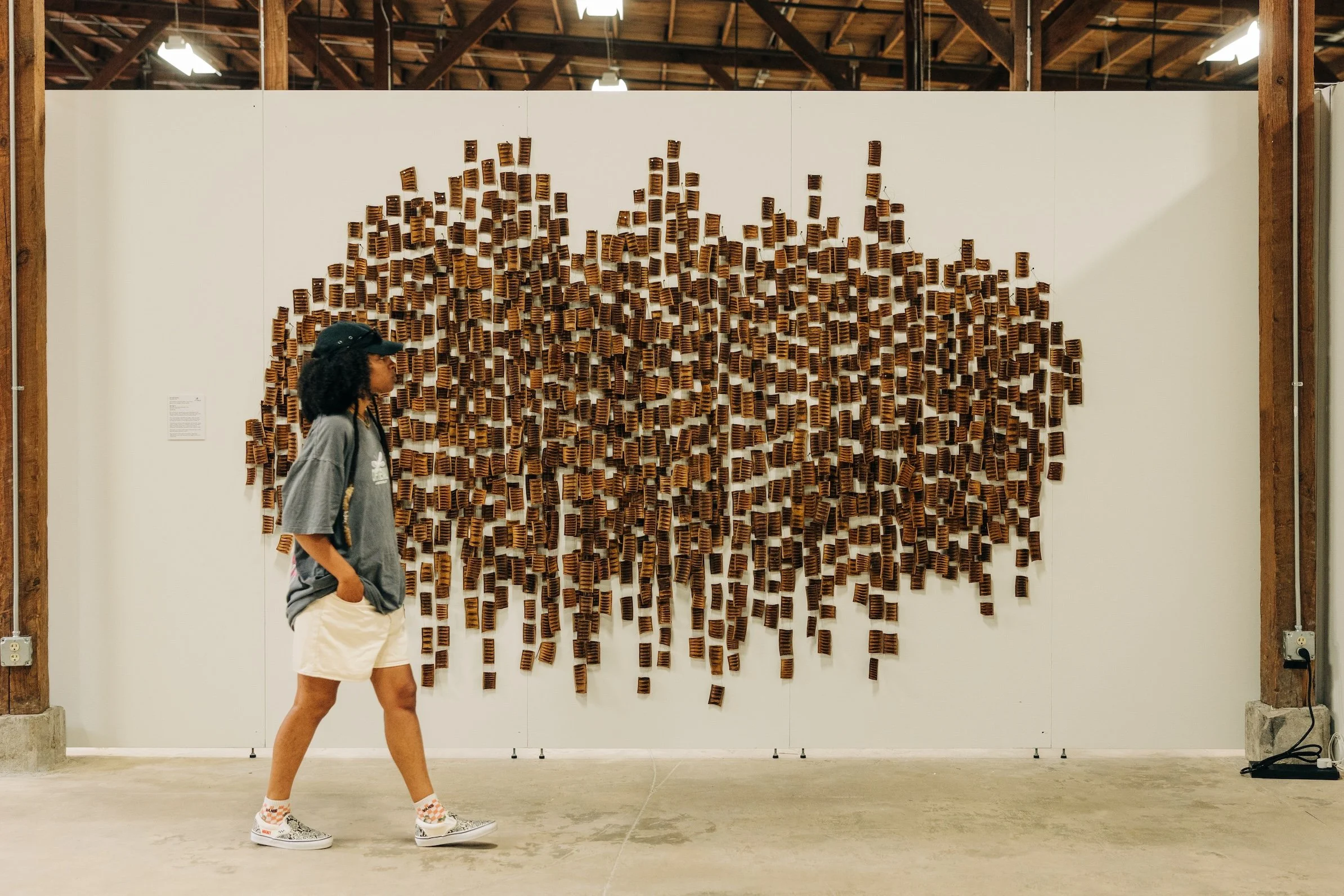
Spirogyra by Gerry Stecca | Mike Baker & SECOND FLOOR MEDIA
Building an Artist Ecosystem
ArtFields began as a festival, but it has expanded into year-round creative infrastructure. Moore described an ecosystem in the making: “studios, kilns, exhibition space, housing — everything an artist needs to create here year-round.”
Lake City is constructing apartments as part of its new artist residency program, and pairing the festival with programs that continue beyond a single season.
People sometimes compare Lake City to Marfa or Asheville. Moore’s response is a reminder of what authentic revitalization demands.
“We’re becoming Lake City, South Carolina — we don’t have to be anybody else.”
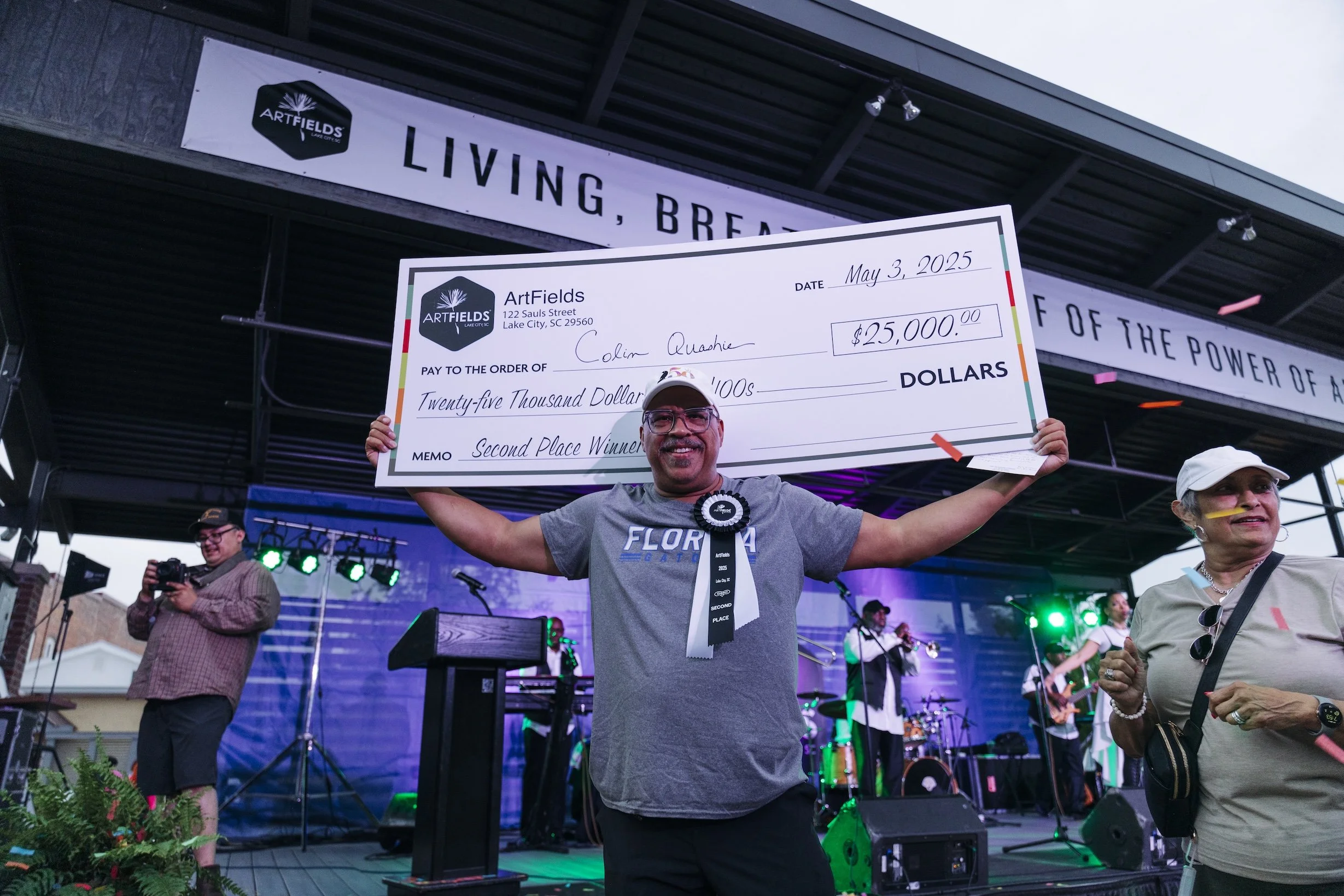
2025 Second Place Winners Colin Quashie | Mike Baker & SECOND FLOOR MEDIA
Community as the North Star
For Moore, the work has never been only about commerce. The work is about belonging.
“This community raised me,” Moore said. “That’s who shaped me.” She believes the country is facing an existential crisis where people feel lonely and disconnected, and that community is the antidote.
Moore is also pragmatic. “That all contributes to the economic growth of the community, which is crucial,” Moore said. “It’s a balancing act.”
Lake City has to protect and foster the community while creating enough opportunity to make life there compelling.
Why Moore Funds Access
Moore has personally funded both the Continuum and the Meeting Street Scholarship Fund, a major scholarship program across eight rural counties. Her starting point is trust.
“You can’t just come into these communities with a bunch of money and say ‘I’m here to help you’,” Moore said. “People have got to buy in.” Her focus is effort. “I want to help the willing.”
Moore built a simple system. If a student can get through public school, secure their Pell Grants and state aid, and still has a gap, Moore will cover the rest. “They fill out one page, four boxes, sign it — done.”
The results, Moore said, are striking. “More than 60% of our scholarship recipients are Black women.” They are “the strivers.” Many are studying nursing and biology, fields that lead directly to stable work.
“When a young woman moves into a stable career because she had access at home,” Moore said, “that’s generational change. That’s the legacy I care about.”
The Model Beneath the Headlines
The lesson here is not “start an arts festival.” The lesson is that thriving towns build systems of resiliency and innovation.
ArtFields created attention and pride. The Continuum created pathways. The residency work deepens identity. The scholarships widen access. Together, they form an ecosystem that can last beyond any single season, and beyond any single leader.
“That’s why I fund it,” Moore said, “because access changes lives — not just for one student, but for their entire family, forever.”
In a moment when so many communities are searching for what makes them worth staying for, Lake City’s lesson is quietly powerful. Don’t chase a quick fix. Build an answer that lasts.
At Conspiracy of Love, we help changemakers tell their most powerful stories — stories that inspire action, build movements, and create lasting impact.
Find out more about our Values-Driven Storytelling and GPS to Purpose workshops, and how we can help you scale your impact.