How Brady Is Working With Hollywood To Change America’s Gun Safety Culture
In America, gun violence has become one of those crises that feels both unbearable and strangely normalized. It is devastating, ever-present, and for many people, so constant that it can start to feel impossible to change.
As of the most recent, finalized data from the CDC (covering 2020 through 2023), firearms are the leading cause of death for children and teens (ages 1–19) in the United States.
Kris Brown knows that feeling well. As president of Brady, one of the nation’s leading gun violence prevention organizations, she has spent years thinking not only about how to reduce gun deaths, but also about how to confront the emotional numbness that now surrounds them.
She grew up in a time when a shooting still felt like a singular, shocking event. Today, she sees something different. “For kids today, it’s just this omnipresent reality,” she said. “There isn’t that seminal moment. It’s just how they are living.”
That shift, from shock to grim familiarity, has shaped the way Brown thinks about Brady’s work. When violence becomes part of the background of everyday life, people do not just feel grief. They begin to feel powerless.
“Hopelessness is what I talk about,” Brown said.
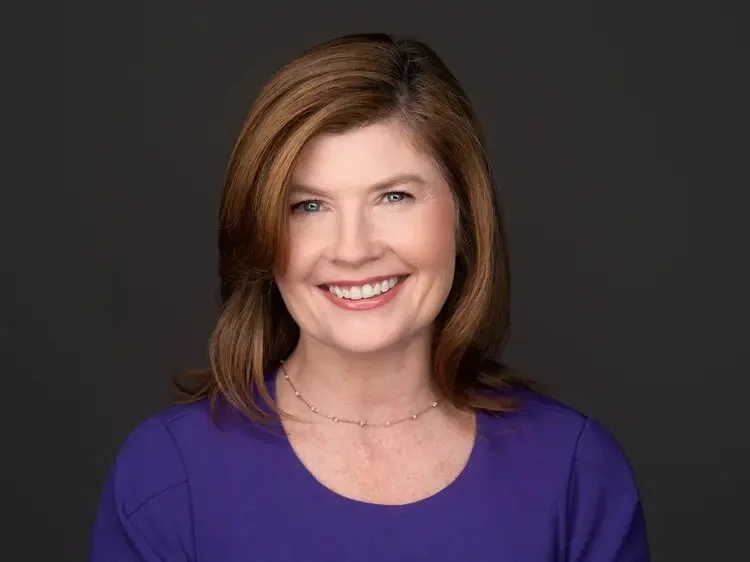
Kris Brown, President of Brady | Brady
Why hope starts with agency
Founded to fight gun violence through advocacy, education and public action, Brady is increasingly focused on something broader than policy alone. Brown believes lasting change does not begin only in legislatures or courtrooms. It begins when people feel they have agency in their own lives, homes and communities.
“In order for people to have a sense of hope, they have to have a sense of agency,” Brown said.
That conviction has led Brady into an unexpected arena. Hollywood.
Brown talks about gun violence as a public health epidemic. America has faced other deadly public health crises before, from smoking to drunk driving to car fatalities. Those problems were not solved overnight, and not by policy alone. First, culture shifted. People’s habits changed. New social norms took hold. Then laws and enforcement followed.
That sequence matters to her because it gives people something more useful than outrage. It gives them a role.
“People want agency over things,” Brown said. “If we can give people the ability to do something about what’s worrying them, what’s upsetting them, that empowers them — and that creates hope.”
Why Brady is looking to Hollywood
That belief has shaped Brady’s Show Gun Safety campaign, an initiative that works with screenwriters, showrunners and studios to encourage more responsible depictions of firearms on screen, especially safe storage and the real-life consequences of careless gun use. Brown said the organization has now trained more than 1,000 screenwriters whose work reaches hundreds of millions of viewers.
The aim is not to lecture audiences or turn entertainment into a public service announcement. It is about making safer behavior visible, familiar and normal.
“We want folks to be talking about firearms because we want more opportunities to help educate people,” Brown said.
That means showing a character safely storing a gun. It means showing what can happen when they do not. It means challenging some of the myths film and television have repeated for years about what gun ownership looks like, who talks about it and how.
People pay attention to the characters they invite into their homes every night. Culture is shaped by repetition, emotional cues, and what gets framed as ordinary behavior.
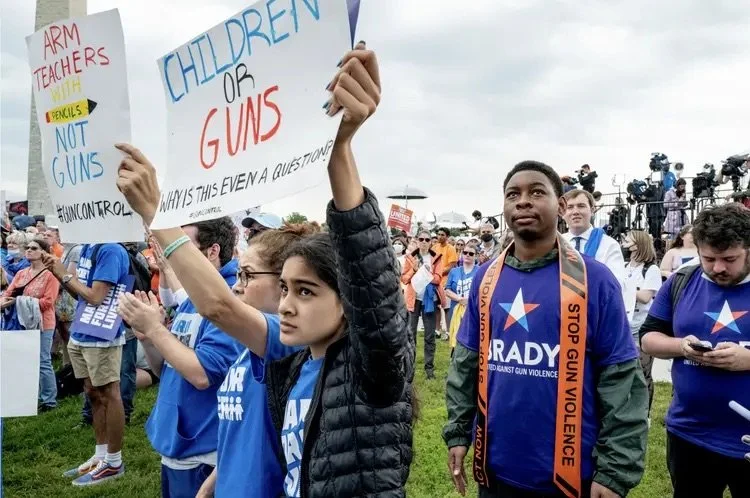
Children or guns-gun violence prevention rally | Brady
The question more parents should ask
One of the clearest examples of that is the question Brown wants parents to feel comfortable asking before a playdate — whether there is a gun in the house.
“You can have this conversation just like you would if your child had allergies and you were sending them to a play date,” she said. “It’s the exact same thing to ask about the presence of firearms.”
Brown’s point is that this should not be treated as a political confrontation or an awkward exception. It should be a normal safety question, asked as naturally as any other.
The stakes are not abstract. Brown noted that 4.6 million children live in homes with loaded, unlocked guns, and that eight kids a day are unintentionally injured or killed by family fire. In that context, asking one more question before a playdate does not feel intrusive. It feels responsible.
That reframing matters because so many non-gun owners still treat the subject as untouchable. But when people do ask, Brown said, the response is often not what they fear. The question opens up a real conversation. Sometimes the answer is yes, there is a firearm, and yes, it is safely stored. Sometimes it prompts a pause, a double-check, a different decision.
Culture change does not always arrive through dramatic gestures. Sometimes it happens through small acts repeated often enough that they begin to feel natural.
Changing the images people absorb
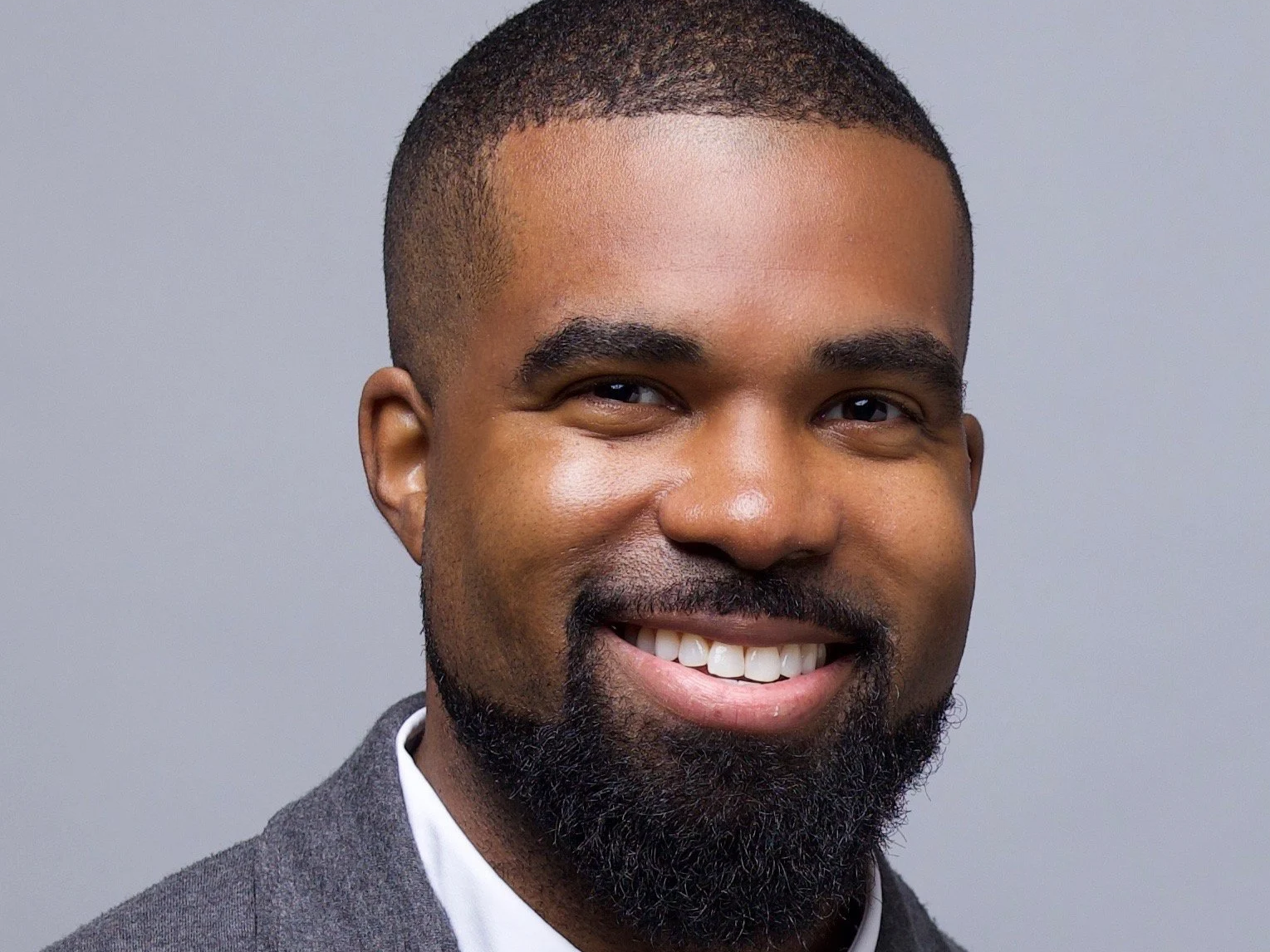
Dennis St Rose, Executive, CAA Community & Impact | Creative Artists Agency
Brown sees the same opportunity in entertainment. Brady’s work with writers’ rooms spans police procedurals, family programming and period dramas. One moment the team is advising on biometric safes in a contemporary series. The next, it is researching what safe gun storage would have looked like in frontier America for Little House on the Prairie.
“We are the subject matter experts for them,” Brown said.
Dennis St. Rose, Executive, CAA Community & Impact, serves on Brady’s Show Gun Safety Advisory Board, where he advises on responsible firearm portrayals in film and television. In his role at Creative Artists Agency, he leads narrative change efforts that work with creators and studios to shape storytelling with an emphasis on accuracy, context and social impact. “Brady’s Show Gun Safety initiative shows what’s possible when cultural relevance meets purpose,” St. Rose said. “By embedding responsible behavior into the stories people already watch, entertainment can move culture and help save lives.”
That kind of backing has helped Brady gain real traction in Hollywood. Brown said the organization now has relationships with every major studio, an exclusive relationship with Walt Disney Studios on children’s content involving guns, and a process with CBS Studios that ensures Brady speaks with writers’ rooms on shows where firearms appear.
Brady is not asking storytellers to flatten their stories. Brown believes the issue opens up deeper, more truthful storytelling. Gun violence does not end when the shot is fired. Fear lingers. Trauma lingers. Communities absorb the aftershocks. Characters do too.
She also pointed to one of the clearest examples of bad storytelling becoming bad social conditioning. On police shows, officers often come home and casually place their guns on a table or in a drawer. Brown was quick to point out how false that image really is.
“There’s no police officer I’ve ever met who is not, the minute they get home, safely storing their firearms,” she said.
“If you have a firearm, show it safely stored or show the consequences of failing to safely store it,” Brown said. “Pretty simple.”
How culture starts to shift
Brady is trying to replace familiar but harmful images with better ones. A gun safe instead of a pistol on a kitchen counter. A parent asking one more question before dropping off a child. A storyline that shows not only the incident, but what remains after it.
Those choices may seem small compared with the scale of the crisis. Brown would argue that is exactly the point. Public behavior changes when safer choices become more visible, more familiar and easier to repeat.
That is the bet she is making. If enough people see responsible behavior modeled on screen, some of it will move off the screen and into daily life. And when that happens, culture stops feeling fixed. It starts to feel movable.
At Conspiracy of Love, we help changemakers tell their most powerful stories — stories that inspire action, build movements, and create lasting impact.
Find out more about our Values-Driven Storytelling and GPS to Purpose workshops, and how we can help you scale your impact.