From The Underground To The Main Stage: How Kiki Arts Collaborative's Colby King Is Turning Ballroom's Hidden Talent Into Economic Power
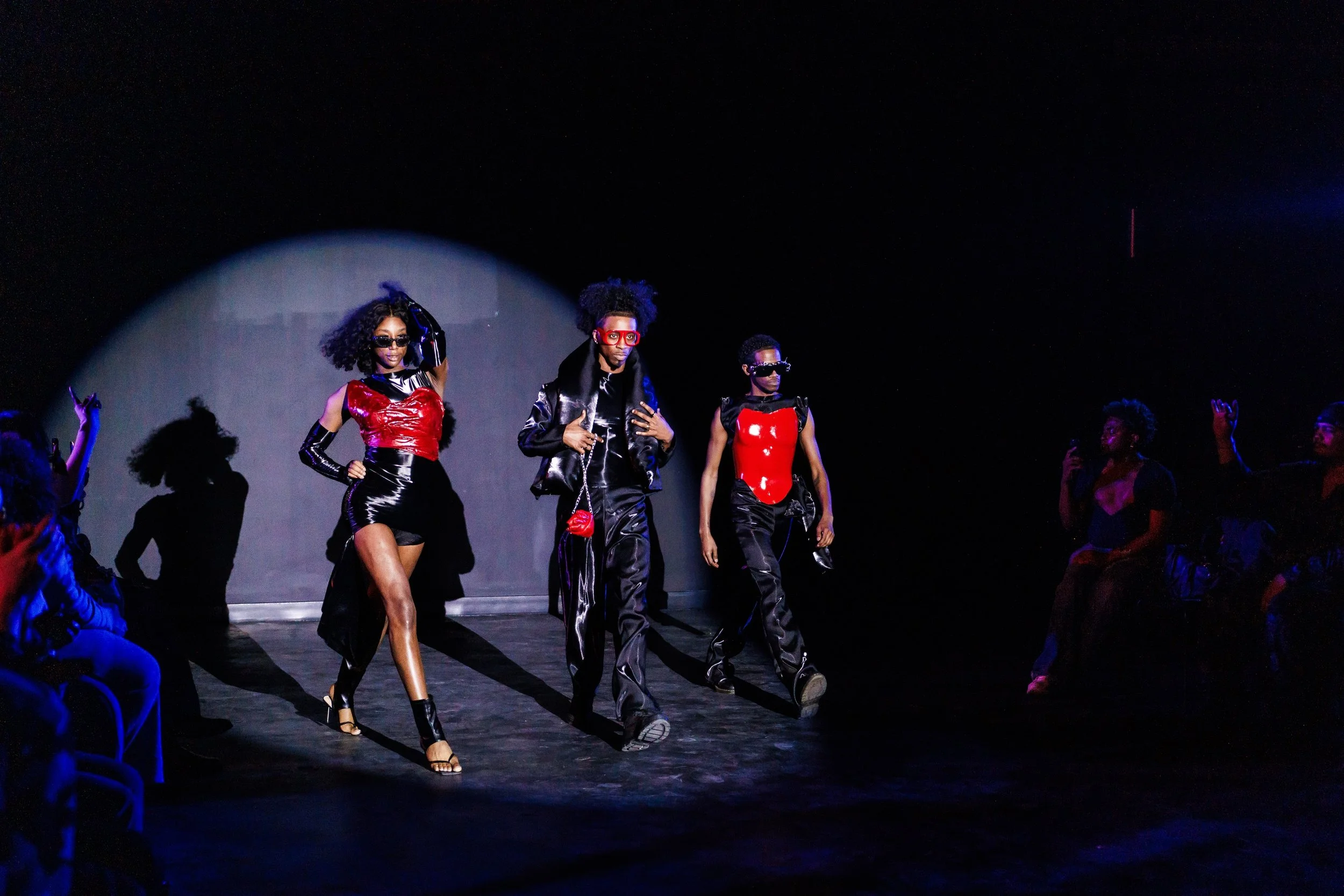
Visual art exhibition 'Archives of Belonging' held at Inspiration Point in the Hunts Point neighborhood of the Bronx | David Onabanjo
There's a moment that happens at every Kiki ball — that electric instant when a young performer steps onto the floor and the crowd erupts. It might be a dip executed with surgical precision, a hand-sewn look that rivals any fashion week runway, or a freestyle vogue performance that stops time. For decades, these moments of transcendent artistry have existed almost entirely within the underground — celebrated by those lucky enough to be in the room, invisible to the wider world.
In the basements and community centers where New York’s Kiki ballroom scene has thrived for decades, something extraordinary has always been hiding in plain sight.
Now, Colby King, founder of the Kiki Arts Collaborative and a 2025 David Prize winner, is building the bridge to bring it into the light.
Ballroom has always had its mainstream moments — from Paris Is Burning to Madonna to Beyoncé's Renaissance to Pose on FX. But the revenue and recognition from those cultural moments has rarely flowed back to the communities that created them. King is building something different: not a pipeline that extracts talent from the underground and delivers it to institutions on those institutions' terms, but one that gives the artists themselves the tools, networks, and economic independence to create on their own terms.
King is determined to create change and impact. "You see so much talent all the time," he tells me during our conversation, Zooming in from a New York art gallery — fittingly, one where KAC just opened its first paid exhibition. “And you're like, okay, why isn't this in other places? Why aren't we seeing this on other stages? Why aren't we seeing these people get access to other opportunities? We know the reasons. It's systemic oppression. So it's about: how do you close that gap?”
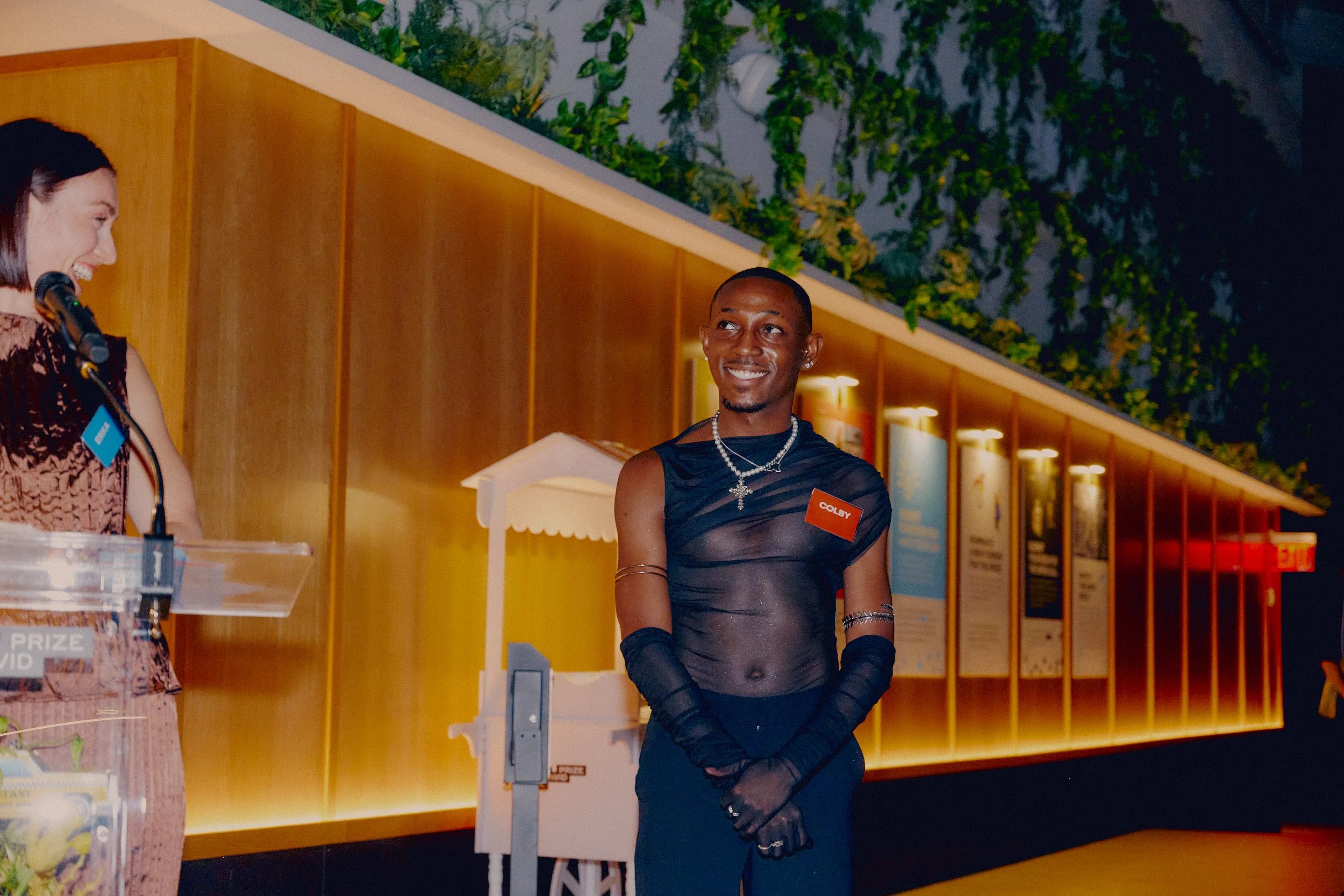
Colby Xzavier King, Co-Founder and Executive Director, Kiki Arts Collaborative, also known as Reign Tiffany & Co within the community | Kiki Arts Collaborative
A Found Family, A Found Purpose
To understand what King is building, you first have to understand what the Kiki ballroom scene gave him. Raised in Texas in a church household, King came to New York to study at Columbia — and found himself navigating an Ivy League environment that, while opening some doors, offered him little space to explore his queer identity, especially in community with other Black people. "When I left Texas, that's kind of when I started exploring my queerness," he reflects. "But even then, I didn't really get to be around any Black queer people."
The Kiki scene changed everything. Rooted in the Harlem drag ball tradition of the 1960s and '70s and evolving into a more youth-centered space in the 2000s, the Kiki scene gave King not just an artistic home, but a chosen family. That family includes Kalik B, Kiki Scene Icon, Former Overall Father of the House of Christian Louboutin — and who is now, as King puts it with a smile, his "chosen father" — and London Mulan (Londolly), Legendary Queen Mother of the House of Hua Mulan, who joined our conversation with the easy authority of someone who has navigated far harder rooms than this one.
London's story alone encapsulates both the necessity and the power of what King is trying to scale. She dropped out of high school at 17. Through Ballroom, she found GED resources, medical transition support, and eventually a pathway that led her to work with Coach, Nordstrom, and FX's Pose. "If I would have never found Ballroom," she says simply, “I probably wouldn't even be here speaking to you, or have the words to articulate myself the way I can.”
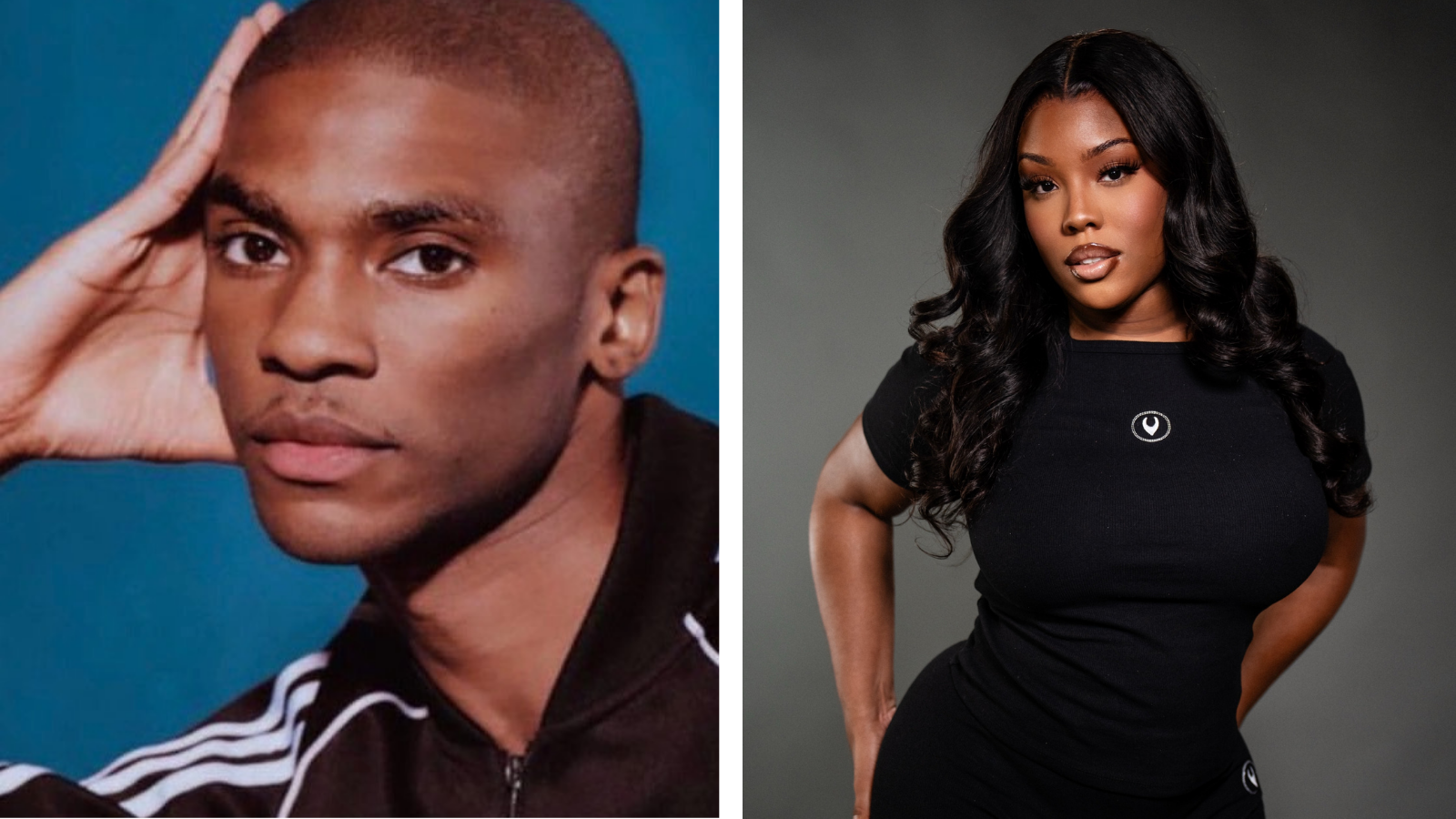
From left to right: Kalik B - Kiki Scene Icon, Former Overall Father of the House of Christian Louboutin; Londolly / London Mulan - Legendary Queen Mother of the House of Hua Mulan | Kiki Arts Collaborative
Turning Chosen Family Into Institutional Power
The David Prize — a $200,000 unrestricted award given to bold New Yorkers pursuing big ideas — gives King the runway to transform what the ballroom scene has always done informally into something institutional and scalable. The Kiki Arts Collaborative will offer residencies, fellowships, exhibitions, and public programming designed to do two things simultaneously: develop artists' creative practice and portfolio, and prepare them for professional roles across media, marketing, academia, and cultural institutions. Financial literacy, contract negotiation, and professional sustainability are all part of the curriculum — because talent without economic tools is still a cage.
The partnerships King has secured reflect serious intent: the Bronx Academy of Arts and Dance, Manhattan Neighborhood Network, Inspiration Point, and the National Black Theatre will serve as placement sites where KAC participants can carry out their own projects. "We have seven different partner organizations across the city," King explains. "We're going to be placing people from the community at those places to be able to do their own projects." The inaugural cohort of seven artists will go through a six-month program — KAC's first attempt to take all those one-off acts of support and forge them into a genuine pipeline.
At the heart of it is a radical act of trust. At KAC's recent exhibition, every artist was paid. None were told what to create. "If you give them the resources to actually do what they want to do," King says, "what can we see? As opposed to always having to have an outsider come in and create something from it?"
The Skills Were Always There
What makes King’s vision so compelling is its insistence on something the wider world has been slow to recognize: the Kiki scene has never been just a performance space. As Kalik B points out, only about 30 percent of the ballroom is dancing. The rest is design, styling, music production, storytelling, beauty — and above all, leadership. "When you are underground," Kalik B says, "it creates a space of compassion, empathy, and community. You have to lean on each other. That's the only way we learn to survive." Those, he notes quietly, are exactly the skills that transfer.
Jayden “Simba” Benbow, 20, Overall Prince of the House of Juicy Couture, frames it with the clarity of someone who found his community at 15: "Community. That was the biggest thing for me." Sharron “Slimm” Jones, NYC Prince of the House of Unbothered Cartier, goes one layer deeper. As Black gay men, he says without bitterness, "we are at the bottom of the social caste overall. So for us to have a space that is for us — being seen for my mind, my talent, who I am as a human being — value. Knowing that I'm valued here, that I'm seen here, that I'm loved here."
KAC's proposition to the wider world is simple: those same people who know how to build unconditional community from scratch, who have developed artistry under conditions of scarcity and exclusion, who have led houses and mentored generations of young people — they are exactly who your organization, your institution, your industry needs.
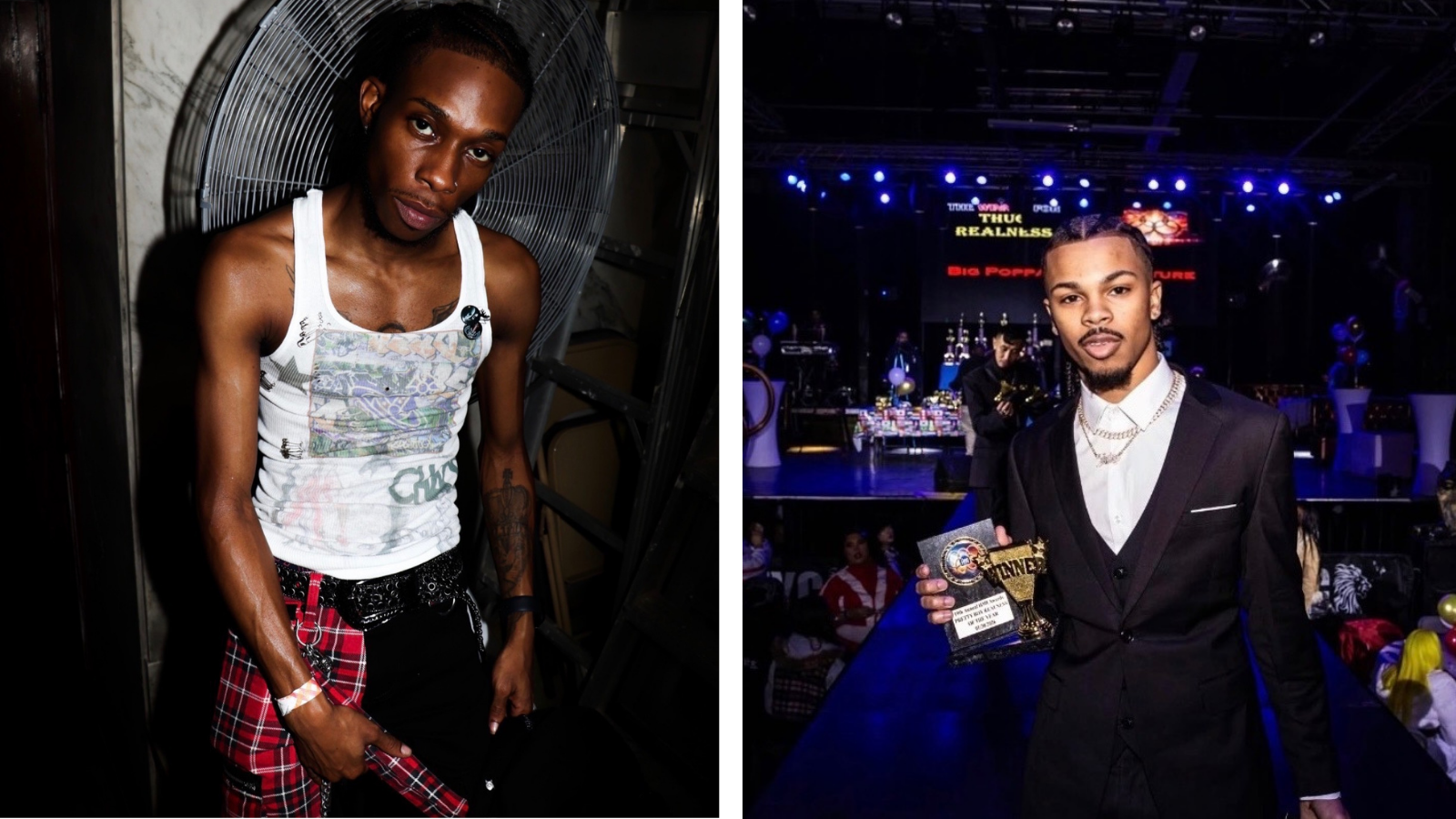
From left to right: Sharron “Slimm” Jones - NYC Prince of the House of Unbothered Cartier; Jayden “Simba” Benbow - Overall Prince of the House of Juicy Couture | Kiki Arts Collaborative
From Surviving to Thriving
London puts it with the kind of precision that comes from living it: “It's to take us from simply surviving to us truly thriving. Opening doors and helping us reach greater heights in all areas of life.”
"Ballroom finds you," Kalik B says, echoing a saying as old as the scene itself. For the young queer artists of color whose gifts have sustained this culture for decades, the Kiki Arts Collaborative is now finding them — and making sure the world knows exactly what it's been missing.
The Kiki Arts Collaborative’s inaugural fellowship and artist-in-residence programs launch this year in New York City.
At Conspiracy of Love, we help changemakers tell their most powerful stories — stories that inspire action, build movements, and create lasting impact.
Find out more about our Values-Driven Storytelling and GPS to Purpose workshops, and how we can help you scale your impact.