The Growth Architect: How PepsiCo CMO Jane Wakely Is Building Brands That Perform For People And Planet
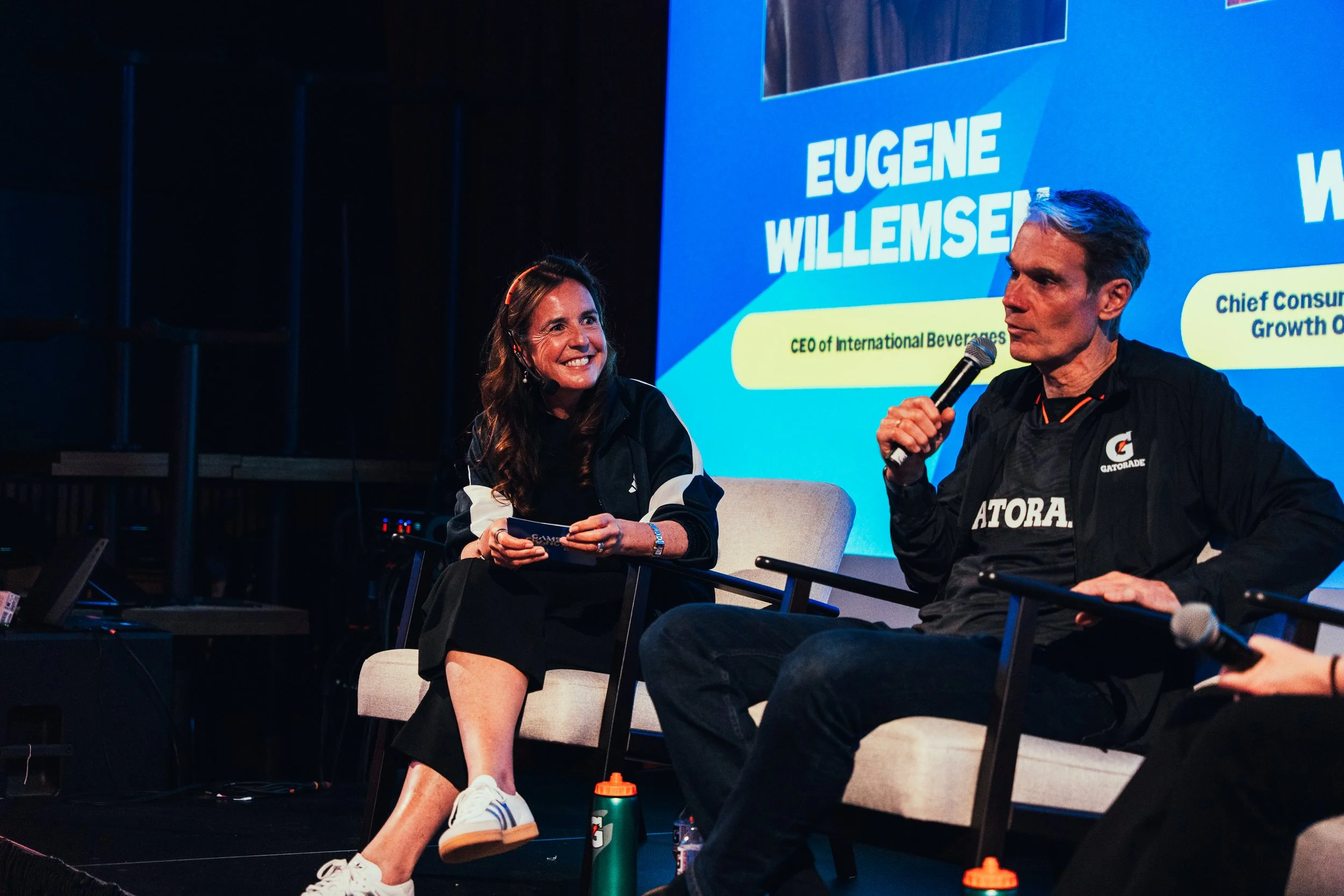
Jane Wakely, Executive Vice President, Chief Consumer and Marketing Officer and Chief Growth Officer, International Foods, PepsiCo
Last summer, at the UEFA Women’s Champions League Final, Jane Wakely noticed something she had never seen before. The stadium was full — not a single empty seat — and the noise had a different texture to it. Families. Fathers with daughters on their shoulders. Boys cheering for women. "It was so uplifting as an experience," she tells me. “Even when one team wins or loses, you usually get some rivalry, some crowd action. The whole stadium was joyous. I loved it.”
Five years ago, that stadium was half empty. This year, Wakely will be back — and so will the wave she is helping set in motion.
As Chief Marketing Officer of PepsiCo, one of the largest food and beverage companies on the planet, Wakely sits at the intersection of mass culture and mass consumption. Her brands — Gatorade, Pepsi, Lay’s, Quaker, Propel — show up in roughly a third of the world's households every week. That is a staggering amount of cultural surface area. And what Wakely has done, more thoughtfully than almost any CMO of her generation, is figure out how to use that surface area to do two things at once: grow the business and lift the world the business operates in.
It’s what she calls being ‘a growth architect.’ And it’s a great playbook for all CMO’s to get inspired by.
The Sweet Spot
The architecture begins with a discipline. “We work in a business,” Wakely says, “so the challenge is to find the sweet spot behind a purpose that can move the dial on people or planet, but has to find a sweet spot with a growth opportunity. For it to be sustainable and the right thing for a company to do.”
The genius of that framing is what it protects against. Purpose initiatives, in her view, die when they are someone’s personal passion project. They survive — and compound — when they are welded structurally to where the business is going. “If you can make something a growth driver,” she says, “then when you move on as a person and the next person isn't maybe as passionate as you, it's still retained. Because it's also such a great growth driver.”
That is the design principle. The work has to be load-bearing.
Women’s Sport: A Case Study In Architecture
Wakely’s clearest expression of this principle is the long-term, deliberate bet PepsiCo has made on women’s sport. WNBA (a partnership now in its 30th year). UEFA Women’s football (committed through 2030). F1 Academy. The global women's football fanbase is projected to exceed 800 million by 2030, yet currently receives a disproportionately small share of sponsorship investment. The numbers behind the bet are sharp: women make 85% of all PepsiCo purchases. There is a 20% consumption gap between male and female Gatorade drinkers. “Wherever there's a gap,” she says, “there's an opportunity.”
But the real architecture is in what PepsiCo brings back to the sport. Three things, she explains. Reach — the salience that brands like Gatorade, Pepsi, and Lay's can deliver in billions of households. Access — Gatorade's Fuel Tomorrow program, which has already helped 250,000 young people, particularly girls, stay in sport past the age when most drop out. And science.
This is where Wakely’s eyes light up. Only 6% of all sports science globally is conducted on female physiology. The rest is conducted on men and applied — in theory — to women. “Isn't that a staggering stat?” she says. PepsiCo's response is the Gatorade Sports Science Institute's new Body of Science program, a five-year commitment to female-specific nutrition, hydration, performance, and life-stage research — including the menstrual cycle, pregnancy, and perimenopause. 500 women have already participated in early research.
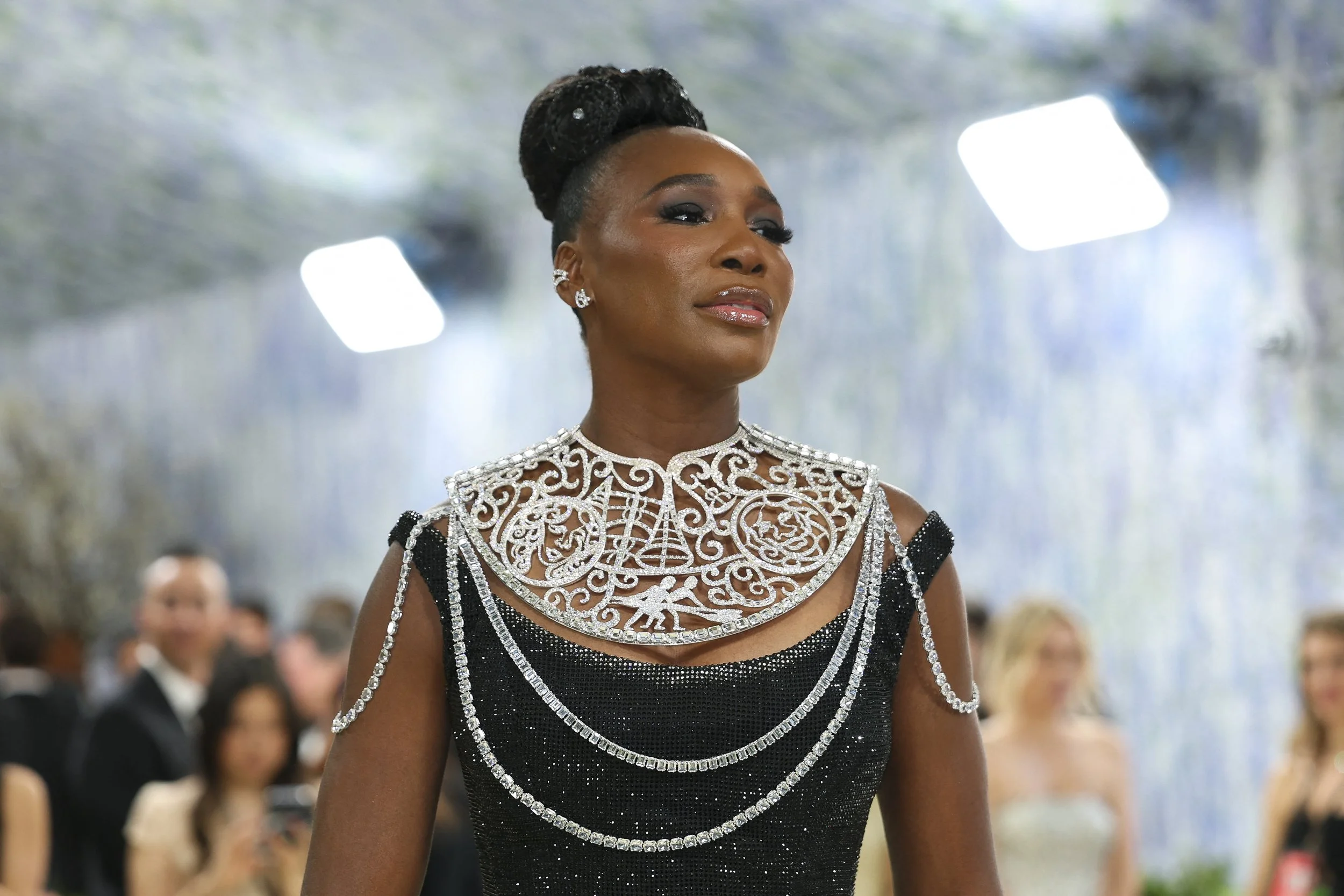
To launch it, Venus Williams wore a custom Swarovski piece to the 2026 Met Gala — a subtle constellation of the number “6” embedded throughout the jewelry. An Easter egg for the conversation Wakely wants the world to have.
Reach. Access. Science. Each one is a growth driver. Each one is also a public good. The architecture holds.



The Portfolio Of Mega-Platforms
Wakely thinks in what she calls “mega-platforms” — long-term partnerships designed to create more consumers, more occasions, more touchpoints. The art is matching each platform authentically to a brand.
Gatorade belongs on the field. It is performance hydration, grounded in sports science, and it earns its place at the moment of sweat. That is why Formula One has become such a powerful fit. An F1 driver loses roughly four liters of hydration over a race in cockpit temperatures of 130 degrees. “If you lose four liters,” Wakely says, “you’re fuzzy-brained, your eyesight is impacted, your concentration goes down. And yet they’re driving at extreme speed.” Mercedes driver Andrea Kimi Antonelli spent a week at the Gatorade Sports Science Institute earlier this year being tested and bespoke-formulated. On the F1 Academy side, Lisa Billiard now sits at the center of Gatorade’s bet on what Wakely calls “the dream” — a female driver in F1.
Pepsi and Lay’s, by contrast, belong with the fans. The atmosphere, the party, the moments of joy. PepsiCo’s “No Lay’s, No Game” WhatsApp group for the upcoming FIFA World Cup has already drawn more than 10 million subscribers, with content from Messi, Beckham, Thierry Henry, and a delightfully unhinged Steve Carell. Lay’s, Wakely points out, is “rooted in real” — real potatoes, real farmers, real local food traditions. The brand's authentic role is to amplify the human joy of watching sport together.
Building a 21st Century Food Company
Then there is the question of the company itself. PepsiCo’s Pep+ regenerative agriculture commitments, its sustainability progress, its global footprint — these are stories too big to live inside any single brand. “Most people, if you poll them globally, think PepsiCo is just Pepsi,” Wakely says. “So if I start talking about regenerative agriculture commitments to hundreds of thousands of farmers, it doesn’t make sense.”
The fix is structural. Every PepsiCo pack will now carry a “Proudly PepsiCo” endorsement on the back, with a QR code linking to the full story. Advertising will sign off with the company name. The goal is to let consumers — who increasingly want to know who is behind the brands they love — find the company doing the work.
The Job Of A CMO
Toward the end of our conversation, I ask her how the job has changed. “Everything is changing at the speed of light,” she says. “But the fundamentals haven’t changed. Human-centricity. The science of growth. The art of brand building. Those are constant.” Technology, data, AI — she sees them as enablers that let her do what she could only dream of three decades ago.
The role itself, in her telling, has evolved into something more ambitious. “You’ve got to be a growth architect,” she says. “If you don’t leave your category and your brand in better shape than you found it, you haven't done your job.”
For Wakely, “better shape” means growing the business and growing the world the business sits inside. Performing for portfolio, people, and planet, simultaneously. That is what she calls “power positive growth.”
At Conspiracy of Love, we help changemakers tell their most powerful stories — stories that inspire action, build movements, and create lasting impact.
Find out more about our Values-Driven Storytelling and GPS to Purpose workshops, and how we can help you scale your impact.