How The House Of Beautiful Business Is Building An Economy For The Post-AI World
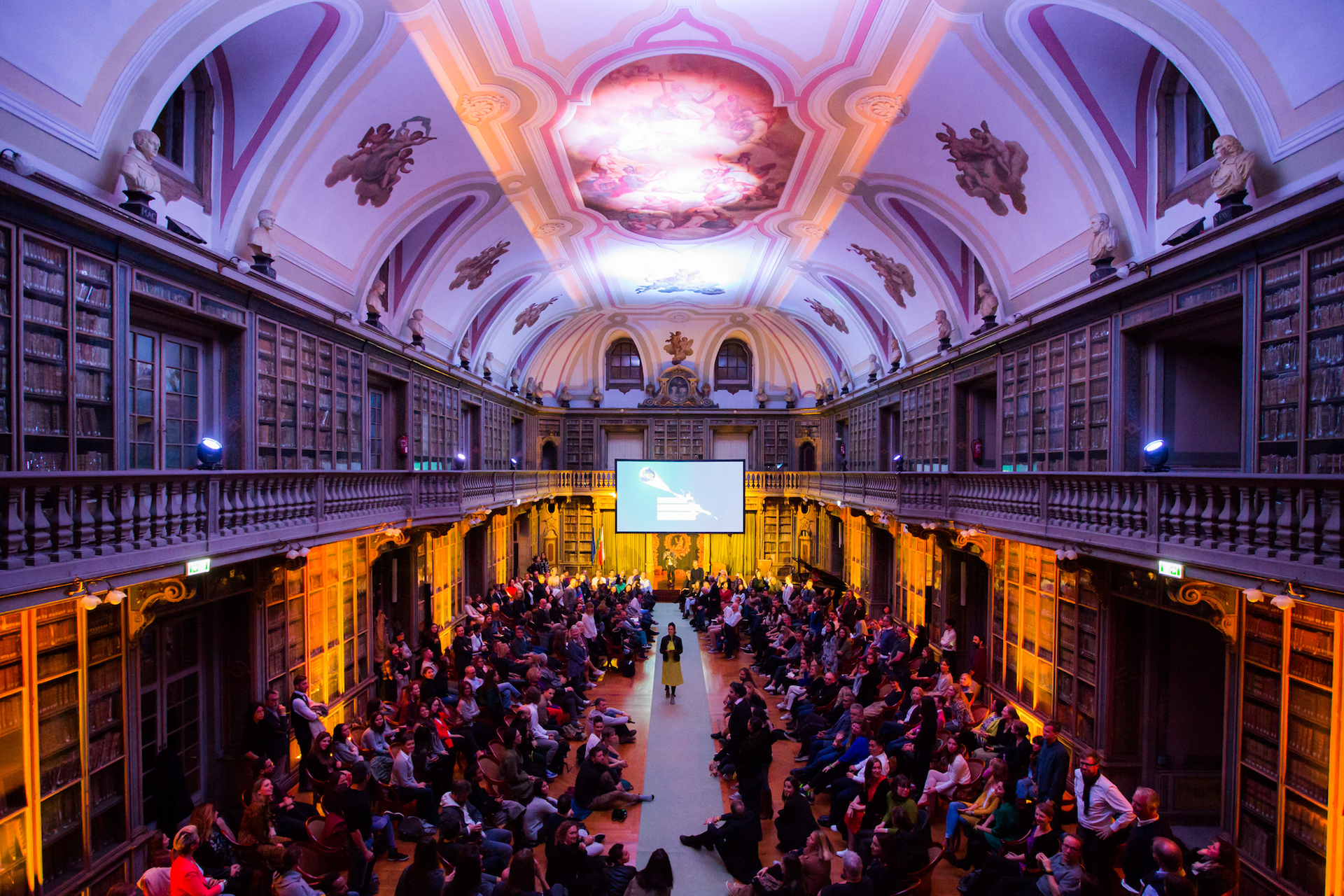
The House of Beautiful Business is a global platform and community to make humans more human and business more beautiful. | The House of Beautiful Business
Eleven hundred people showed up in Athens this year for a party with no headline act, no product launch, and no obvious reason to sell out. What drew them was an idea a decade old: that business could be a place for depth, not just deliverables.
The gathering marked ten years of the House of Beautiful Business, the movement, membership community, and consultancy founded by Tim Leberecht and his co-founder Till Grusche. What began in 2017 as a 150-person meetup in Barcelona has grown into a global community of roughly 30,000 people, with a five-week online school and partnerships with organizations like Accor, Steelcase, and the London School of Economics and Political Science.
A Gap No Spreadsheet Could Fill
Leberecht saw something most of the business world was slow to name: that professionals were starving for meaning, and that no org chart or KPI dashboard was built to feed them. He built a space instead of a slide deck. As he put it, describing what the House has become, it is "a space for intellectual belonging." He liked the phrase enough to borrow it from an attendee, and the tension inside it is the whole point. It is intellectual, but not bloodless. It engages, in his words, "the heart and spirituality, not just in the mind."
That duality shows up in how people describe walking through the door for the first time. One member's testimonial, which Leberecht returns to often, captures it. "It's like you're walking to a party of strangers and everybody immediately recognizes who you are."
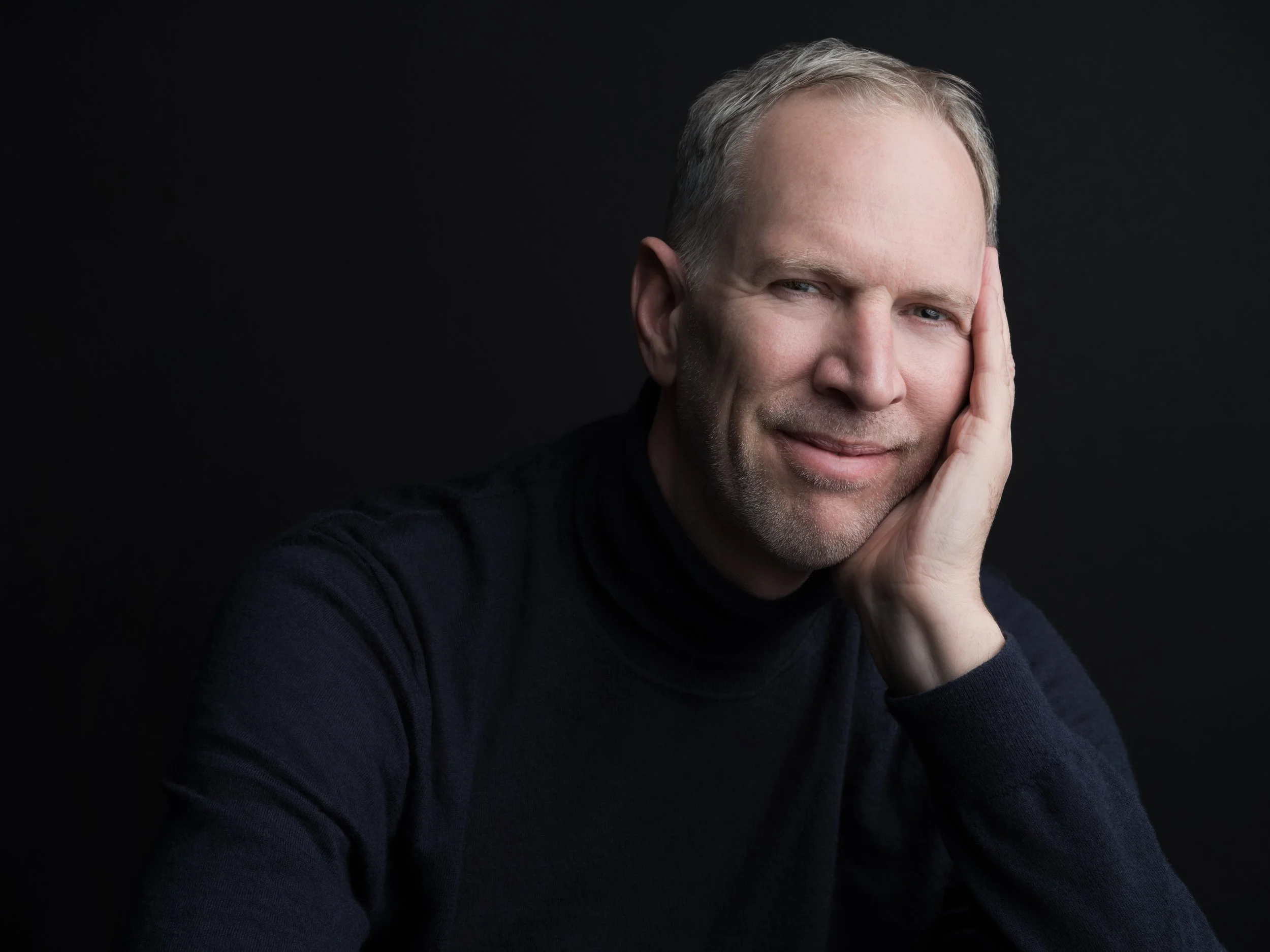
The writer and House of Beautiful Business founder Tim Leberecht | Beowulf Sheehan
Why Now
The urgency behind the House has sharpened, not faded, as artificial intelligence has moved from a Silicon Valley talking point into a source of daily anxiety for workers everywhere. Leberecht sees this moment, uncomfortable as it is, as an opening. "So many workers are afraid or already grieving about the loss of their job, their status, their identity in so many ways, their agency," he said. Rather than treating that fear as background noise, the House treats it as the central question of the decade, "what it means to be human, what it means to be of worth, of value, how we integrate into society and how we can lead more beautifully."
Leberecht is careful to draw a line between his project and a retreat into nostalgia. The House isn’t trying to protect a pre-AI world. It's trying to write a new one. "We're not anti-technology or anti-AI," he said. "We can't reverse that. It's there. It's also fascinating, humbling. So we want to do it in tandem with AI in service of all life on earth."
He frames this as a contest of narratives, one the House is deliberately entering. "We are competing with the narratives of Elon Musk and Peter Thiel and Palantir," he said, describing their worldview as singular, well-funded, and, whether or not one agrees with it, compelling to many. The House's counter-offer is a story that is "more humanist and more exciting," built for people who want, in his description, alternatives "to the Silicon Valley story, and the optimization story... for alternatives also to the doom and gloom." What people are hungry for, he added, is a "certain kind of thickness that they don't get in an everyday culture that in so many ways is thinning."
Proof, Not Just Poetry
The House's ambitions would ring hollow without receipts, and Leberecht has plenty. Porsche came on as a seed investor after years as a program partner, drawn to two things, experiences as the new form of luxury for people who already own everything, and access to a curated network of thinkers outside their industry. Today Porsche sits on the board, hands-off but engaged.
With Accor’s Pullman hotel brand, the House built Pullman xChange, a recurring thought-leadership event series now in its second year, part of a broader effort to reposition the hotel chain as a gathering place for ideas rather than just a place to sleep. The most recent edition, in Paris, drew 150 invite-only guests. On the nonprofit side, the House worked with the Pennsylvania Educator Diversity Consortium to help the organization tell its story around diversity in education, in what Leberecht called a politically charged climate for that language. And with the beauty brand TAKK, the House helped a company built to "unbrand" the wellness industry sharpen its digital presence and community.
In January, the House launched the Beautiful Business School, a five-week online program built around what Leberecht calls "the most human education for the more-than-human world," teaching skills like hosting, discernment, and risk-taking that resist automation. Members, he said, come back for three things above all, inspiration from ideas and people not yet on bigger stages, intimacy in the form of honest conversation and friendship, and a network so pre-qualified by shared values that collaborators, talent, and partners tend to find each other.
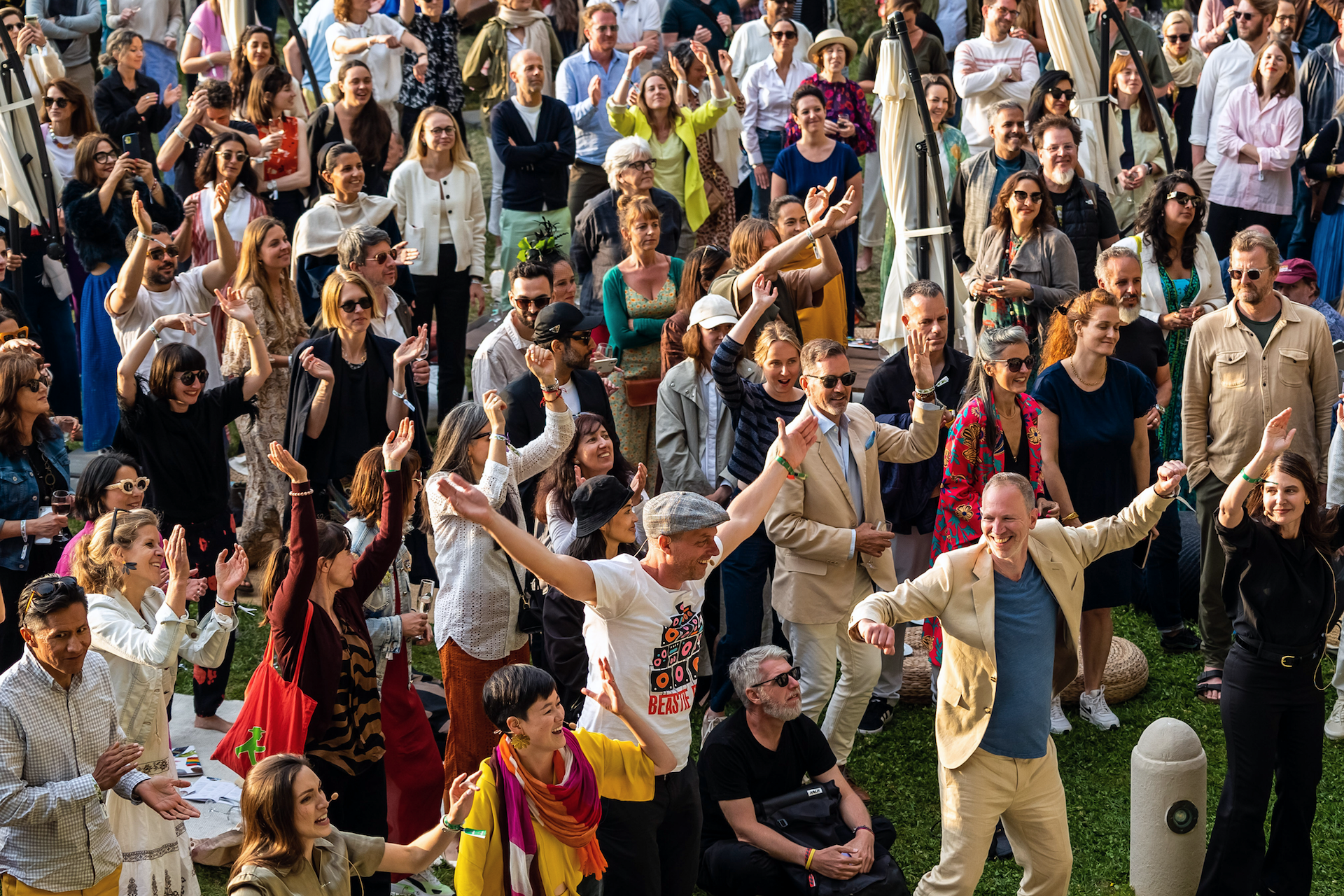
What began in 2017 as a 150-person meetup in Barcelona has grown into a global community of roughly 30,000 people. | House of Beautiful Business
The Next Decade
Connection, in Leberecht’s telling, isn't a nice-to-have layered on top of a business plan. It is the business plan, or at least the part that survives contact with automation. As AI takes over more of what people used to do for a living, what's left is harder to fake, curiosity, honesty, the willingness to actually show up in a room. That's the thing he's trying to teach.
Growth is the word Leberecht keeps coming back to, but not the kind that requires him in every room. The World Beautiful Business Forum becomes a recurring fixture rather than a one-off. Smaller gatherings spread into new markets, the U.S. chief among them.
"How do we scale it? How do we reach more people? How do we bring it into more organizations?" Those are the questions Leberecht is sitting with now, ten years in. The answers, if they land, won't look like a bigger company so much as a bigger movement, one that no longer needs him pushing from behind.
At Conspiracy of Love, we help changemakers tell their most powerful stories — stories that inspire action, build movements, and create lasting impact.
Find out more about our Values-Driven Storytelling and GPS to Purpose workshops, and how we can help you scale your impact.