How The Ecology Center Is Creating A Blueprint For Regenerative Thriving
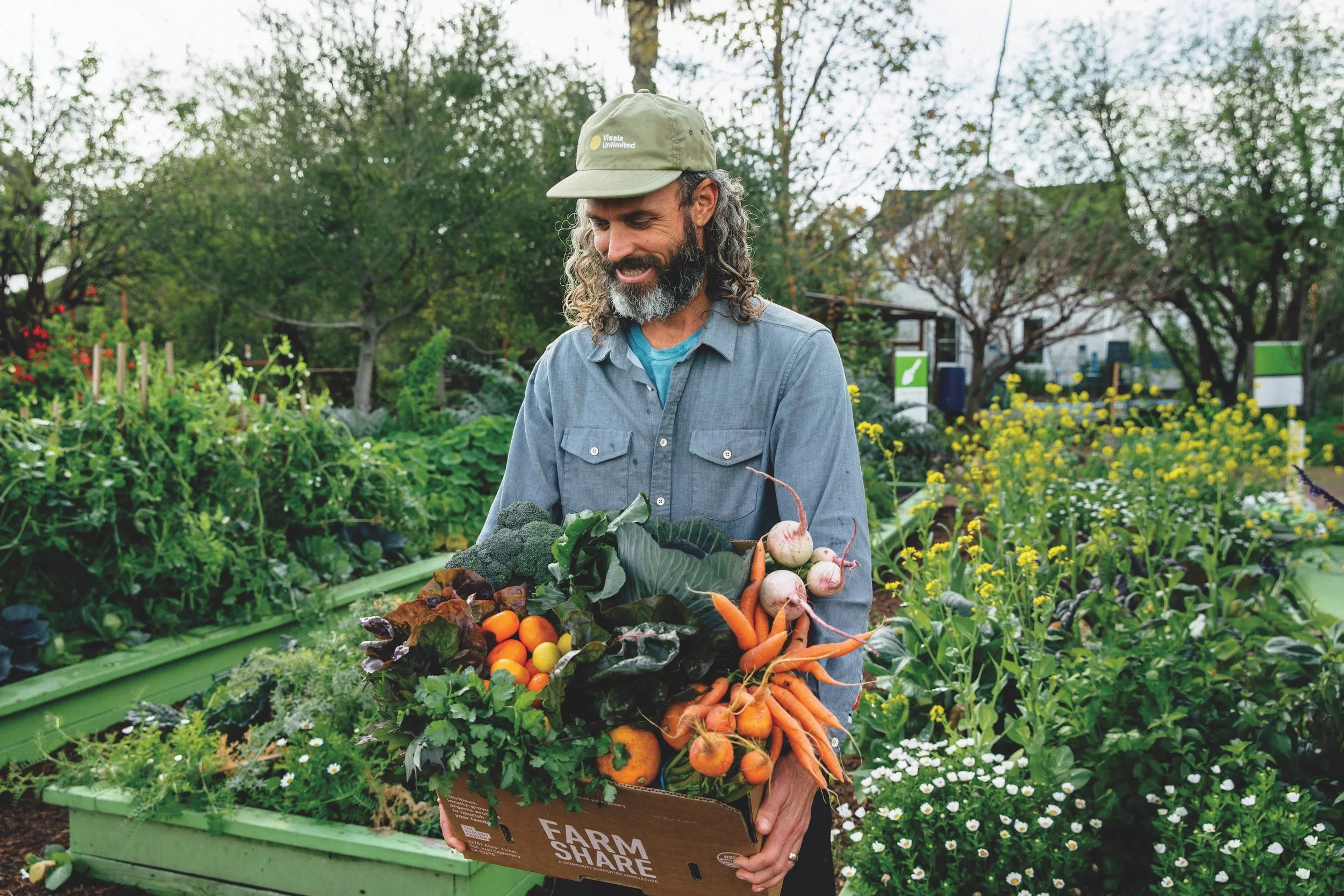
Evan Marks | The Ecology Center
Picture a teenage surfer paddling out through a slick of plastic and debris on a Southern California beach, trash bag in one hand. Morning after morning, the same ritual: catch a wave, pick up what washed in with it. No lecture did what that repetition did — it turned a hobby into a confrontation that would not let go.
That teenager was Evan Marks, and the confrontation eventually became The Ecology Center — a 28-acre regenerative farm, school and gathering place in Orange County built to answer a question most of us have stopped asking: where does our food actually come from, and what does it cost the planet, and ourselves, to have forgotten? Marks has spent nearly two decades proving that reconnecting people to land, food and each other is not nostalgia. It is infrastructure.
From Broken Awareness To A Blueprint
He traces that turning point to those early mornings on the beach. "The first seed of the journey for me was the personal turning on to relationship with planet Earth," he recalls. "I grew up as a surfer since I was a kid. But when I was a teenager, I started picking up trash on the beach and opening up my awareness to the negative impact that humans have on the environment. It was confronting in a meaningful way."
That awakening sent him to UC Santa Cruz for a degree in agro-ecology, then nearly a decade of ecological design and regenerative agriculture work across California, Hawaii, Costa Rica, Peru, Mexico, Ghana and Nigeria. When he came home, he brought the question with him. "Coming home after ten years of this deeper dive of awareness and exploration, I wanted to see if we could model the change here," he explains. "In the least likely environment of Orange County, known for its cul-de-sacs and consumerism, can we change some of these realities and build culture and community with these ideas in mind." In 2008, that question became The Ecology Center.
A Village Disguised As A Farm
Marks doesn’t call it a nonprofit first. "It’s a village in physical form, a 28-acre farmstead," he says. "It’s a farm, but it’s also a series of cottage enterprises and programs that all weave together as one cohesive experience. We're farmers, we're chefs, we're artists, we're teachers, we're merchants, we're makers." What it represents, he adds, is "a laboratory for the future, us pulling together some of the traditional ways into the modern day so that we can have a reference of health and harmony for the generations ahead of us."
The heart of that laboratory is a school called Farm Raised, where 100 families take part on a daily basis. "That is the heart of our work, to mentor the next generation," Marks explains. What gets prototyped there radiates into field trips, after-school programs and summer camps that reach thousands of children a year. Marks returns often to a single word. "The word ‘remember’ is one we always like here," he continues. "The membering, really, it's to put the pieces back together."
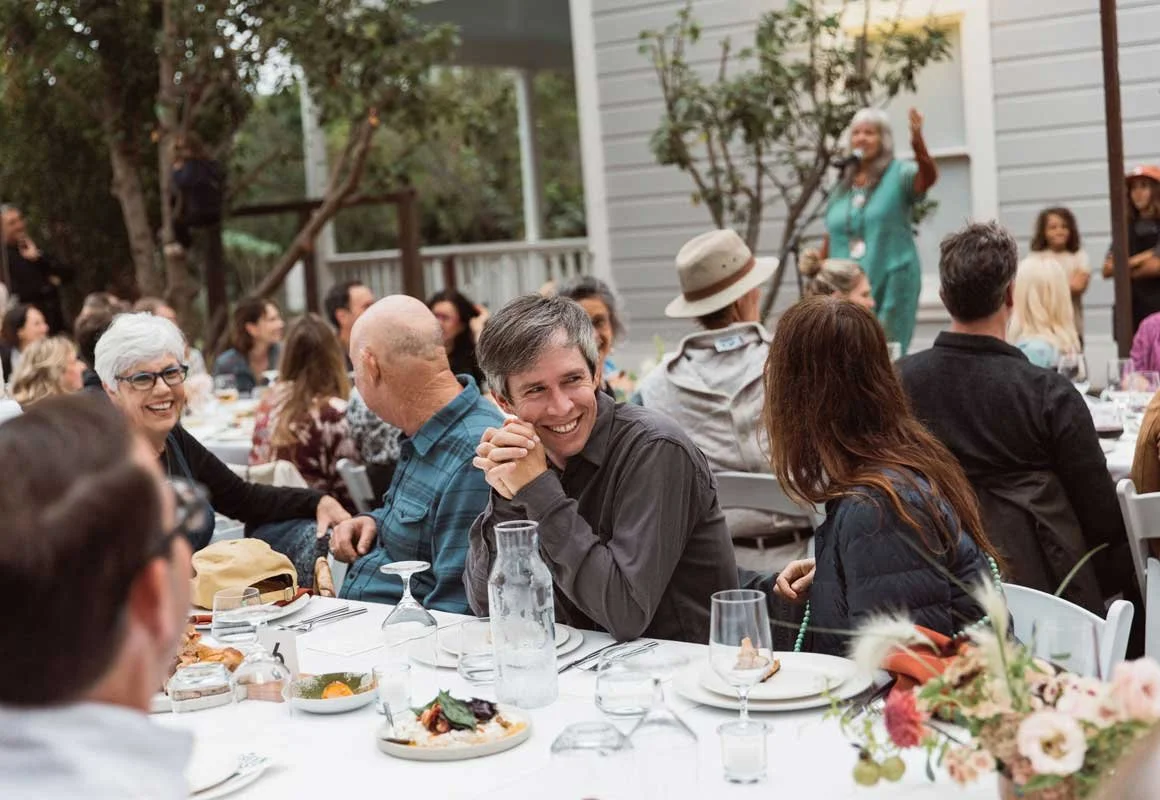
Green Feast | The Ecology Center
Rooted In Practice, Not In Trend
The farming itself is certified regenerative organic, developed in partnership with the Regenerative Organic Alliance. "We are one of the few family operations in this type of geography with this type of diversity," Marks notes, placing the work inside a longer lineage: agroecology, a term his own mentor helped coin in the 1970s, building on indigenous land practices thousands of years older still.
That same philosophy shows up at the campus's Campesino Cafe. "We think of the Campesino, which means farmer, as the sound system of the farm," Marks says. "We grow all our ingredients and bake all our bread and pastry — it's just the tasting of the land." It scales up at Community Table, a recurring farm-dinner series built as much for chefs as for diners. "The core of why we do the community table is trying to grow evolution and intelligence into the culinary community, that we actually have everything we need, especially in Southern California in this rich, abundant bioregion," he adds. "None of this is really about innovation and technology. It's about the basic building blocks of humanity that have formed this society over 10,000 years and are rapidly being eroded."
Grow, Eat, Make, Peace
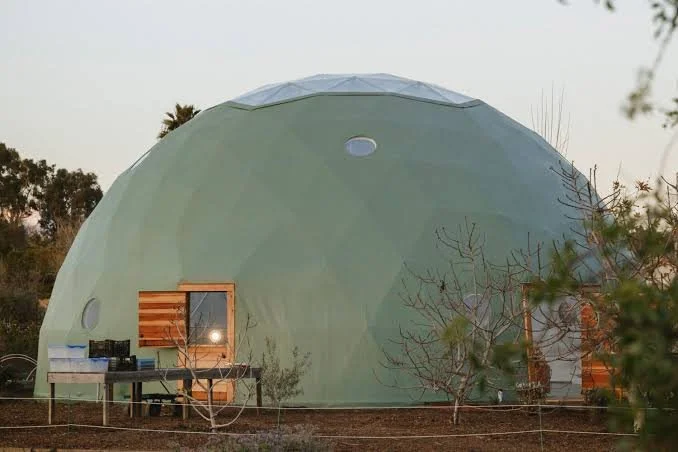
Peace Dome |The Ecology Center
Those building blocks are distilled into four pillars posted across the campus: Grow, Eat, Make, Peace. Their newest expression is the Peace Dome, a gathering space launched last year that Marks describes as somewhere "between a temple and a town hall" for "meaningful conversations with people that care." It hosts film, concerts, yoga and sound baths, plus a new series called Good Medicine. Asked to reduce it all to one word, Marks does not hesitate. "We nourish, and we nourish mind, body, and spirit," he reflects.
A Business Built To Last
The Ecology Center is a 501(c)(3), but Marks runs it with an entrepreneur's discipline. "All of these programs and offerings are social enterprises that support the mission," he says. "We're about 70 percent earned revenue as a whole. Philanthropy, which has been incredibly supportive to our mission, covers the rest," he points out. Funders behind that support include The Living Peace Foundation, The Samueli Foundation, Jennifer and Anton Segerstrom, James and Ann Shea, The Eisner Foundation, Orange County Community Foundation, Marisla Foundation and Rivian Foundation. Earlier corporate partners included Hurley, during its years under Nike, and Chipotle.
Designed To Be Felt
It's not incidental that when Marks lists who works at The Ecology Center, "artists" sits right alongside "farmers" and "chefs." For an organization built on regenerative agriculture, design might look like an afterthought. For Marks, it's the front door — the same mechanism the food and the farm dinners use to draw people in, applied to everything from merchandise to the layout of the land itself. Contemporary artist Cody Hudson has created much of the campus's merchandise for a decade, and art director Nareo Zago left a thriving twenty-year New York agency to work there full time. "Design has always been a critical concern for our organization, even when we were very young," Marks explains. "If we can make things delicious, beautiful, and accessible to the most amount of people, then we're inviting people deeper into this community and this circle, this conversation. And that's the most important piece."
It is a lesson that scales well beyond farming: people rarely act on ideas they haven’t first felt, and beauty is often what gets them to feel anything at all. "This land is super sacred and magical," he says, "and the intentionality we bring through art and design and all of our offerings, people all of a sudden start to soften, they start to feel at peace, and they start to feel connected, and they don’t even know why." Every corner, he adds, is "very consciously designed, every little nook and cranny, to make people feel comfortable and warm and part of the community."
Long after that first walk down a trash-strewn beach, the model Marks tested in the least likely place is traveling further — Good Medicine just getting started, the farmer-training pipeline expanding, and the kid who once picked up litter alone now building the systems to teach a whole region how to remember, together.
At Conspiracy of Love, we help changemakers tell their most powerful stories — stories that inspire action, build movements, and create lasting impact.
Find out more about our Values-Driven Storytelling and GPS to Purpose workshops, and how we can help you scale your impact.