How National Geographic Keeps Wonder Alive In The 21st Century- To Protect And Preserve Our Planet
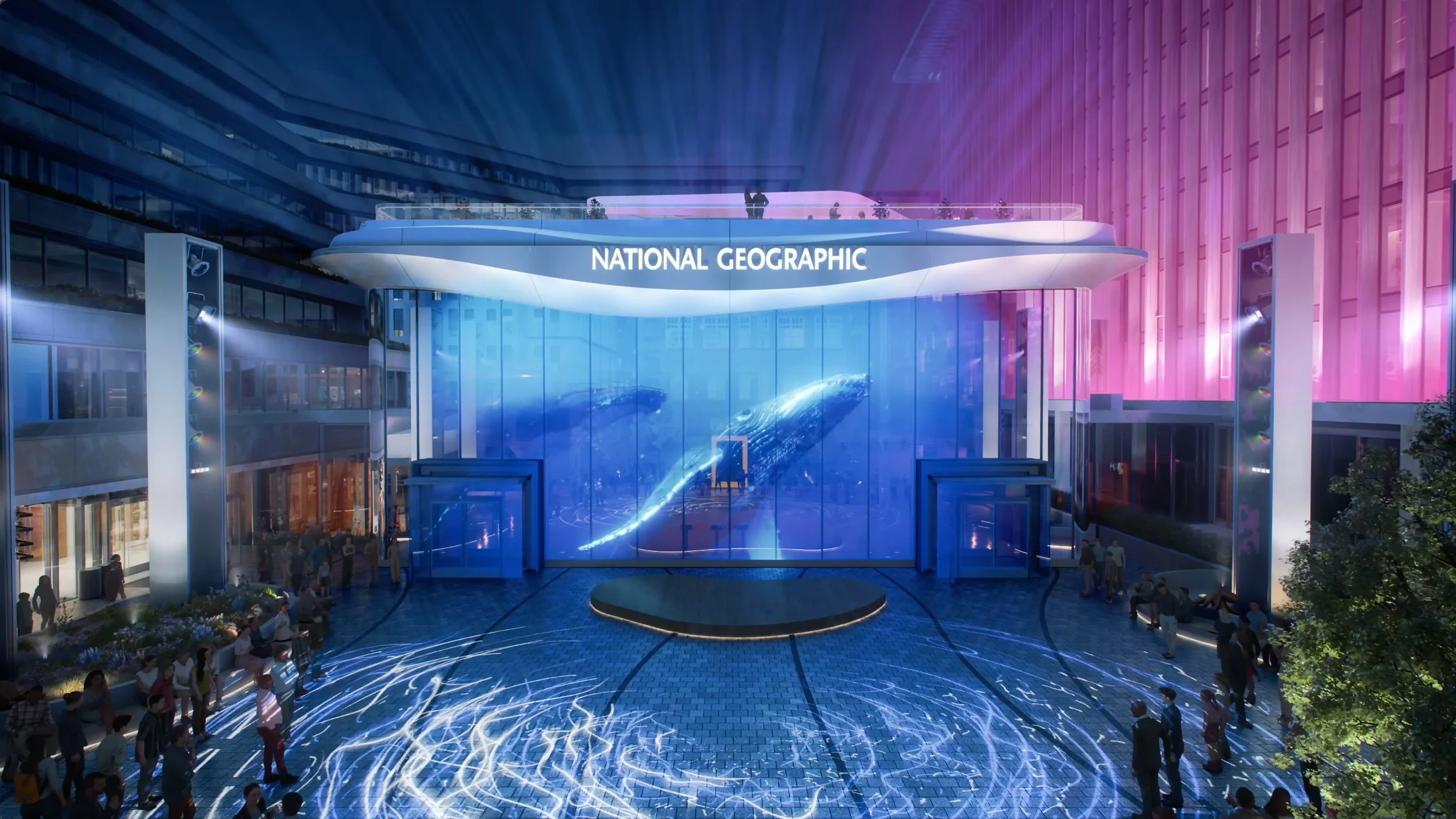
Artist’s rendering of the nighttime courtyard experience at the Museum of Exploration, opening in 2026. | Visualizations by REDVERTEX, based on designs by Hickok Cole Architects, Inc.
Some brands are familiar. National Geographic is personal to so many of us.
I grew up in Sri Lanka with those iconic, yellow-bordered magazines, and I can still remember what it felt like to open them and step into a bigger world. When I sat down with Kevin J. Maroni, the new chair of the National Geographic Society’s board of trustees, I kept coming back to a simple question: how does an institution stay trusted across generations, while the world around it keeps changing?
Maroni put it simply. “For a very long time, National Geographic has been one of the most fascinating and important organizations that I’ve ever encountered.” He told me, “So it’s been a privilege to try and serve the institution as best I can.”

Kevin J. Maroni, chair of the National Geographic Society Board of Trustees. | Kevin Maroni
Maroni has been a trustee for six years — including serving as co-vice chair since December 2024 — and he brings the kind of investment experience that can help a mission-led institution grow without losing its center. His timing matters too: the Society is heading into a new phase of strategic growth and innovation, with the National Geographic Museum of Exploration set to open this summer.
For him, the throughline is consistency in principles.
“National Geographic has been part of America for more than half the history of the country, 138 years. Throughout that entire time it has been focused on the same core principles, nonpartisan, optimistic, science-based exploration.”
That steadiness, he believes, is why the brand still holds a rare position. “I think that’s the reason it remains one of the most trusted global brands. We are very focused on ensuring that this iconic trusted brand remains that way, even as technology changes around it.”
The move that reshaped the model
Maroni traced a major inflection point to 2015, when the board acknowledged that parts of National Geographic’s reach would require a larger platform.
“In the 20th century, National Geographic was really the source of information about the world and all that was in it. In 2015, the board realized that there were elements of what National Geographic did that required scale and larger partners as a result of the changing markets.”
“That was the origin of National Geographic Partners, which is now a joint venture with The Walt Disney Company. And that allowed us to reach hundreds of millions of people all around the world in a way we could not on our own.”
What mattered most to Maroni wasn’t only reach, but what that reach makes possible on the mission side.
“It is now in the hands of one of the preeminent, if not the preeminent, brand stewards, the Walt Disney Company. And it allows us to focus far more on our mission work, which is to identify extraordinary explorers, help increase the impact of their work and then help build awareness of their impact.”
A mission built on science and storytelling
“Our mission is to use the power of science, exploration, education, and storytelling to illuminate and protect the wonder of our world.” That mission, he told me, is carried by a global community. “We have thousands of explorers in 140 countries.”
He pointed to outcomes that reflect both scale and rigor. “Gaining protected status for 7 million square kilometers of ocean, thanks to our work with Pristine Seas,” along with “over 600 academic articles just in the last two years across 74 disciplines.”
But Maroni was just as focused on the part of the mission that doesn’t show up in a metric. “We also believe that illuminating is equally important to our work, because it creates inspiration and curiosity, and that ultimately leads to caring and change.”
And he emphasized the posture National Geographic is committed to holding. “We believe the best thing we can do is what we have always done,” he said, “remain a non-partisan, optimistic, science-based organization.”
The Explorer is the center
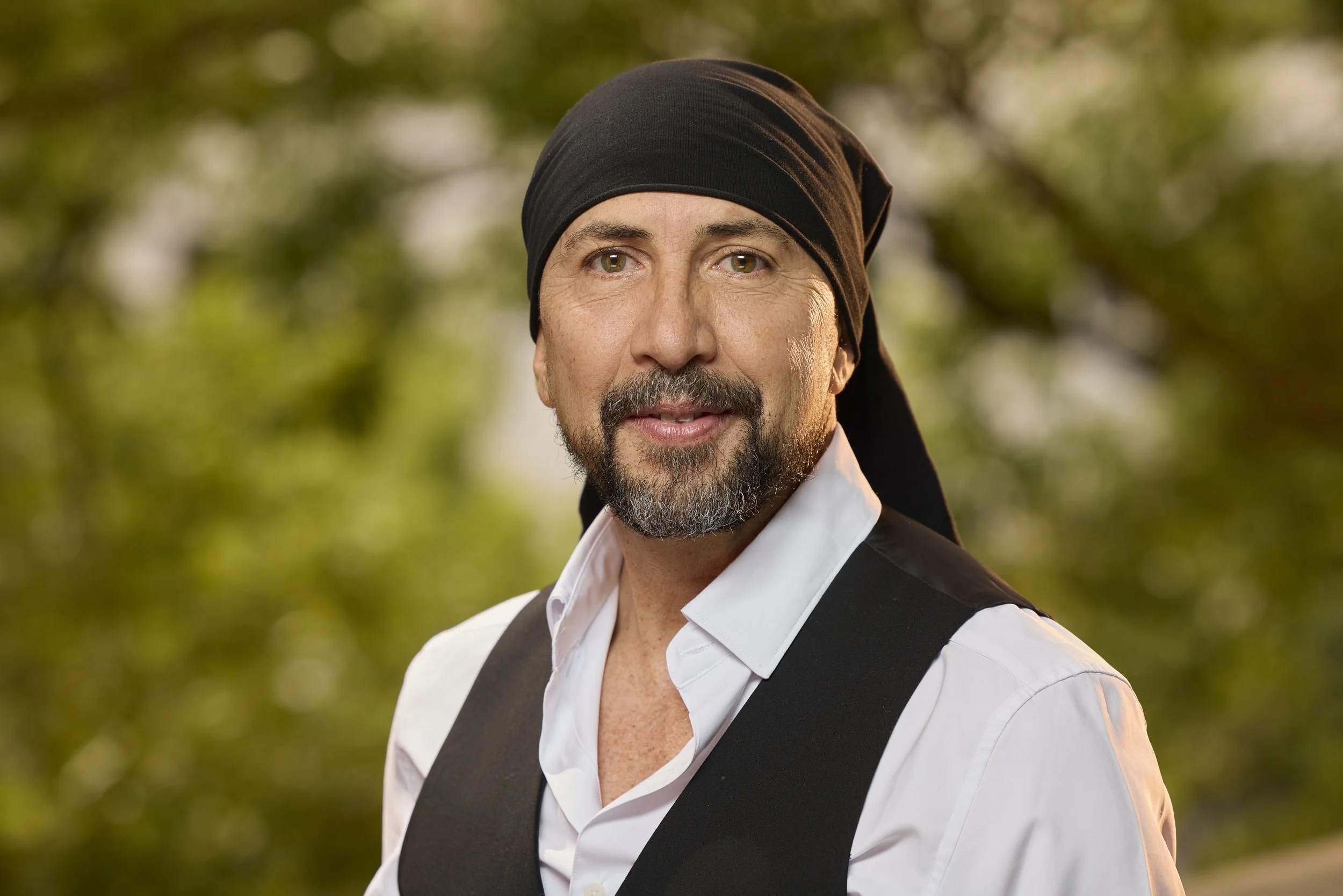
FernandoTrujillo, National Geographic Explorer and the Board’s Explorer Trustee. | Mark Thiessen/National Geographic
“National Geographic was founded on a foundational respect for the Explorer, the men and women in the field. That is our DNA. It is not about us. It’s about them.” In that framing, the Society is less the protagonist than the platform. “We are effectively a platform for talent. We find talent and provide tools to talent. And it’s the center of our work.” He also credited CEO Dr. Jill Tiefenthaler with reinforcing that priority day to day. She “places the Explorer at the center of every conversation.”
For Maroni, one clear example is the board’s next Explorer trustee Fernando Trujillo, an aquatic ecologist. “Fernando, as our Explorer trustee, is amazing. He has spent decades working to save the Amazon and the Pink Dolphin.” And for Maroni, it comes down to this. “We find people who go first,” he said, “and we help them go further.”
Trujillo also represents something bigger than a board appointment. He’s the third Explorer to hold the trustee seat — a role created in 2022 to bring frontline perspective of the Society’s global community of Explorers into the room where decisions get made. Today, the Society invests in thousands of National Geographic Explorers — standout changemakers spanning science, conservation, education, and storytelling — across more than 140 countries, all in service of its nonprofit mission.
A museum designed as a convening platform
Next up? A new experiential home for the organization. “Soon, we will have our new Museum of Exploration. It will not only be a very cool, immersive museum, but also a very important convening platform.”
Maroni described it as a space for wonder, but also for serious collaboration. “It will allow us to bring not just eight-year-olds who are visiting Washington, but our explorers and grantmakers and philanthropists and scientists. Hopefully, through that convening, they will come up with many more ideas to illuminate and protect the wonder of our world.”
The Museum of Exploration is expected to open this summer in Washington, D.C., around the country’s 250th anniversary. “It will be the coolest place in Washington. Visit the Museum of Exploration in Washington, D.C. I think people will be blown away,” he said. “It creates a door into the future. It’s really not about our past. It’s about what we’re going to do together in the future.”
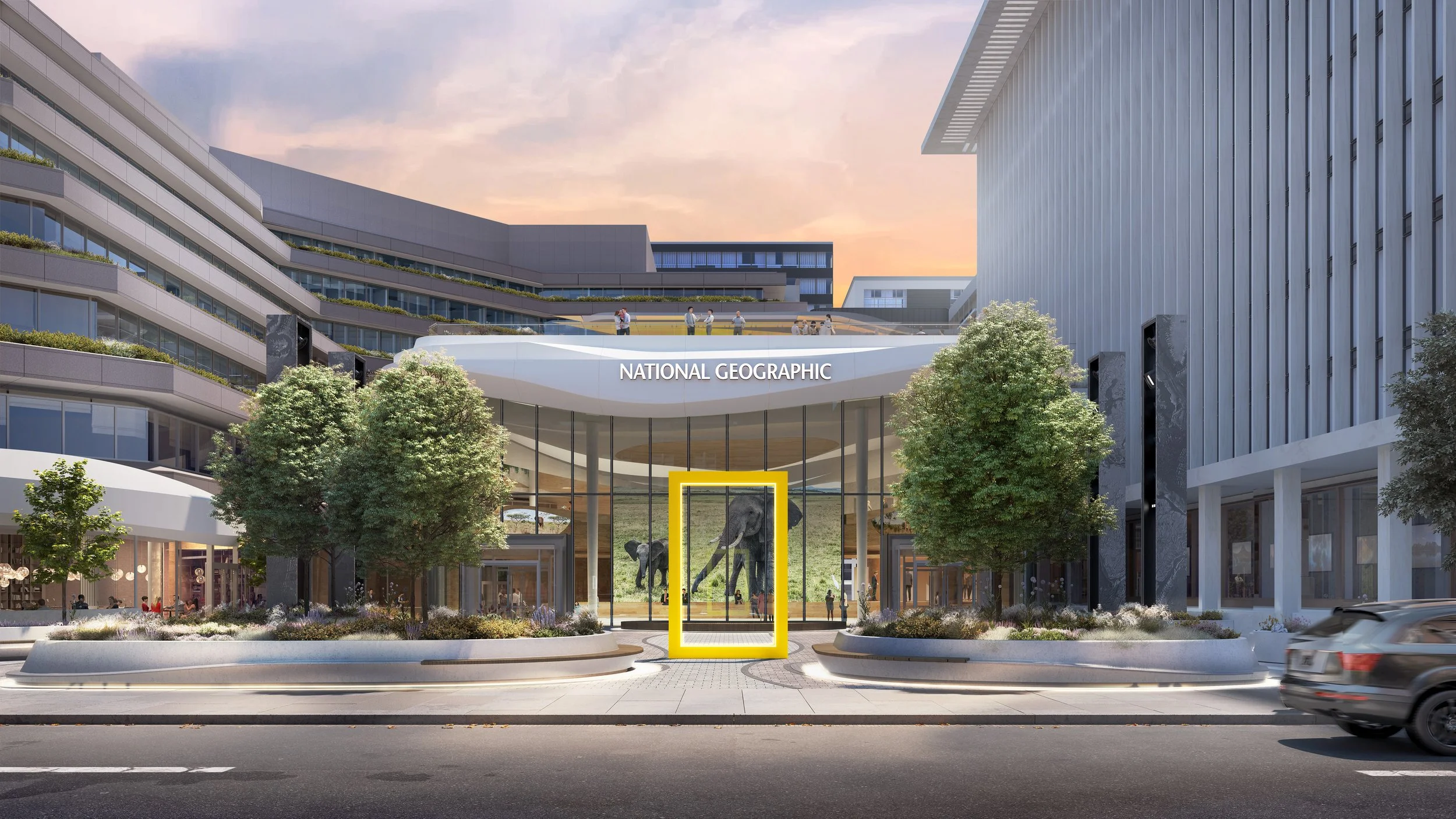
Artist's rendering of the exterior front courtyard of the renovated National Geographic Society headquarters and Museum of Exploration, opening in 2026. | Visualizations by REDVERTEX, based on designs by Hickok Cole Architects, Inc.
Ten years from now
I asked Maroni about his hope for the future. “Most importantly, National Geographic in 10 years will remain an essential and iconic American institution, trusted and respected around the world.”
He hopes bigger partnerships will support “much larger cohorts of explorers.” “We provide a community to those explorers and allowing them to work together in a cohort,” he said. “Whether you’re in a school or on an athletic team, that’s how you get better.”
He pointed to models already in motion. “Our 72-year partnership with Rolex” is one. Another is “our work with Chubb on Blue Boundaries,” focused on “safeguarding freshwater wetlands and coastal systems and reefs.”
Maroni also sees the Walt Disney Company partnership continuing to expand how the brand reaches people. “I am confident our Disney partnership will reach new generations and new ways over the next decade.”
And he hopes the next era protects what people already feel.
“When you talk to people about National Geographic, it’s often a very emotional connection because it’s a memory of a parent or the magazine they saw or a photograph. So 10 years from now, I’m very hopeful we build many more of those emotional connections in new ways.”
“More people will be inspired, more people will become curious,” Maroni added. “And more people will then act to protect the home that we all share.”
At Conspiracy of Love, we help changemakers tell their most powerful stories — stories that inspire action, build movements, and create lasting impact.
Find out more about our Values-Driven Storytelling and GPS to Purpose workshops, and how we can help you scale your impact.