How Laura Probst Helps Athletes Like David Ortiz, Mariano Rivera, And Jose Bautista To Do Good Right
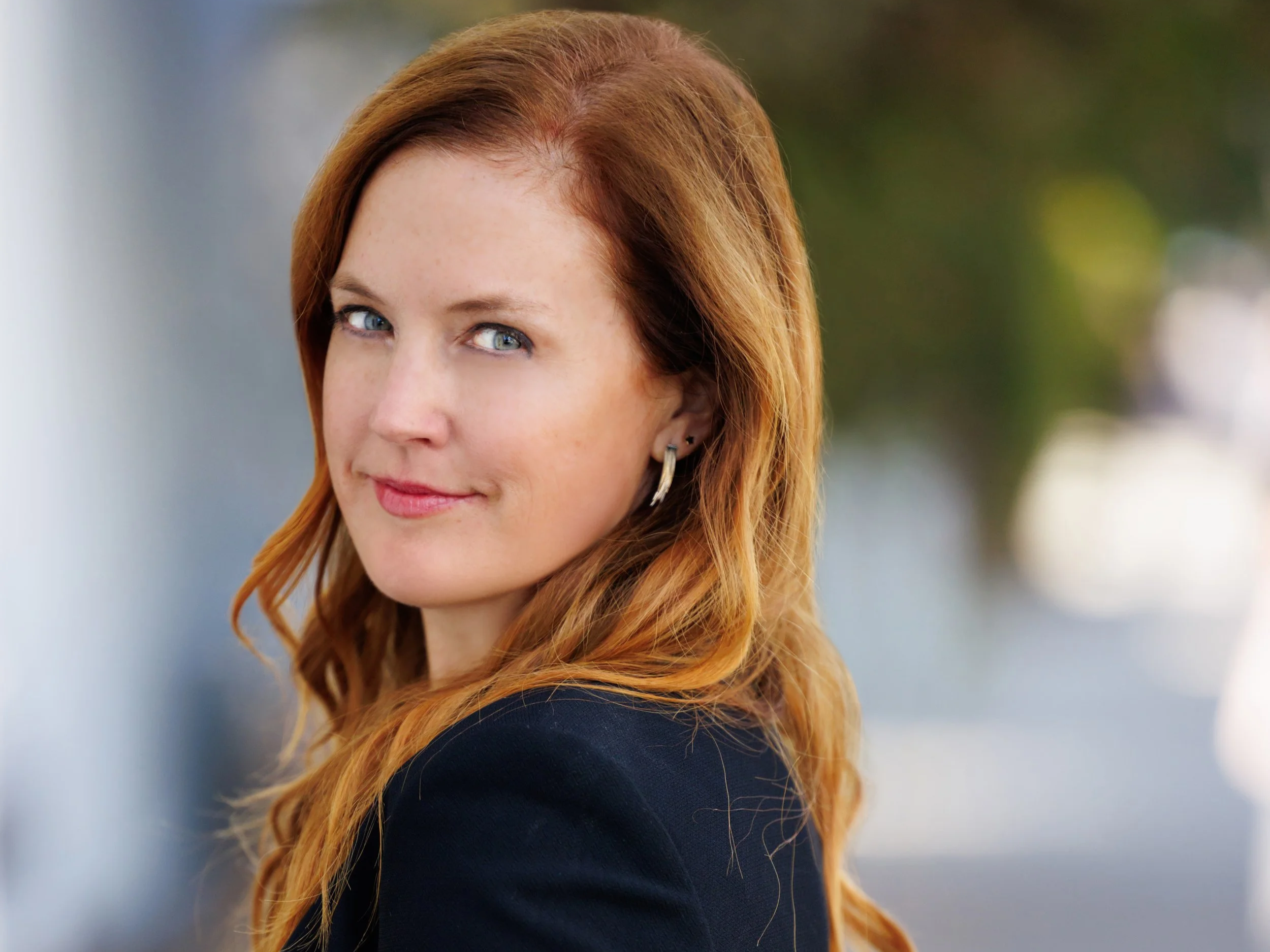
Laura Probst
In a township outside Johannesburg in the mid-1990s, a young American volunteer was watching a microfinance program quietly fail. The women she worked with were learning to make jewelry and candles. They were also hungry. Tonight-hungry, not someday-hungry. No amount of skills training was going to fix that.
So Laura Probst walked a mile up the road to a Woolworths and asked the store manager a simple question: what do you do with the food that's about to expire? He looked almost relieved. He was being fined for throwing it away. It was building up. Chaos. So she made him an offer — her organization would take it every day, feed the women in the program, and a journalist colleague would write a story about his generosity.
The man nearly leaned across the counter. "Wait — you're going to solve my problem, and you're going to make me look good?"
She’s been answering that question ever since.
When Good Intentions Aren't Enough
Twenty-one years ago, Probst founded Do Good Make Money — a consultancy built on one uncomfortable truth: wanting to help and actually helping are separated by a vast, underestimated distance. Her clients today include David Ortiz, Mariano Rivera, and Jose Bautista. Ironically, she would be the first to tell you that she is not a sports person. What she brings instead is something rarer in that world — a ruthless understanding of why philanthropic programs collapse, and the architecture to build ones that don’t.
After South Africa came law school, then a firm where young associates were burning out and nobody had thought to give them anything meaningful to do. Probst didn't ask for a volunteer program. She showed the partners how one would make them better at recruiting. Same logic, new context. She carried it to Step Up Women's Network, then to Jessica Alba's Honest Company, sharpening the same essential argument everywhere she went: purpose works when it solves a real problem for the person doing it, not just the person receiving it.
By 2016, that argument was well-tested. Then a friend called asking if she wanted to help a retiring Red Sox legend shape his final season and build something lasting. She had to ask whether he played basketball.
What was meant to be six months has now been eleven years.
1,700 Children, One Floor of a Hospital
It started with a landscape exercise — mapping everything Ortiz was already doing, finding the thread worth pulling. What surfaced was a commitment to free heart surgeries for low-income children in the Dominican Republic. That commitment became a standalone 501(c)3. Then a hospital floor, stocked with equipment that visiting donors consistently describe as better than anything they'd expect to find outside the US. Then 1,700 children's lives saved.
But before any of that, it became a governance structure. An accounting system. A fundraising strategy stitched directly into Ortiz's brand deals and public identity — not bolted on as an afterthought. "We work super closely with the agent, with the team they're on, even their family," Probst says, "to make sure we're all communicating and working in sync."
That insistence — that an athlete’s philanthropy should be load-bearing, not decorative — is what distinguishes what she builds from the programs that get announced at press conferences and quietly disappear two years later.
Other athletes started noticing. They'd show up to Ortiz's events and pull Probst aside. Their own programs weren't producing. Could she help? The story was almost always the same: someone from the inner circle had been handed the philanthropy portfolio without fundraising experience, without programmatic knowledge, without any real sense of how these things actually work. "They weren't thinking about how do we make this both impactful and fun and sustainable," she says.
Mariano Rivera came with a conviction that sports couldn't be the only exit route from poverty — that a single injury could erase everything, and that education needed to mean something more concrete than college acceptance. Probst helped him build Four Bases: a structured pathway moving young people through career discovery, skills certification, internships, and job placement, anchored by a school Rivera is building in his native Panama.
The Ranch Teammates for Life — connected to the 1984 Olympic men's hockey team — arrived with a goal of raising $100,000 for a mental health facility expansion. By building a story around what they were actually doing rather than what they were asking for, the campaign raised nearly a million dollars.
Then there’s Global Girls Glow. Probst helped design the curriculum, declared the work done, and moved on — only to receive a call years later informing her the organization had grown, entirely on its own momentum, to 400 clubs running weekly across 30 countries.
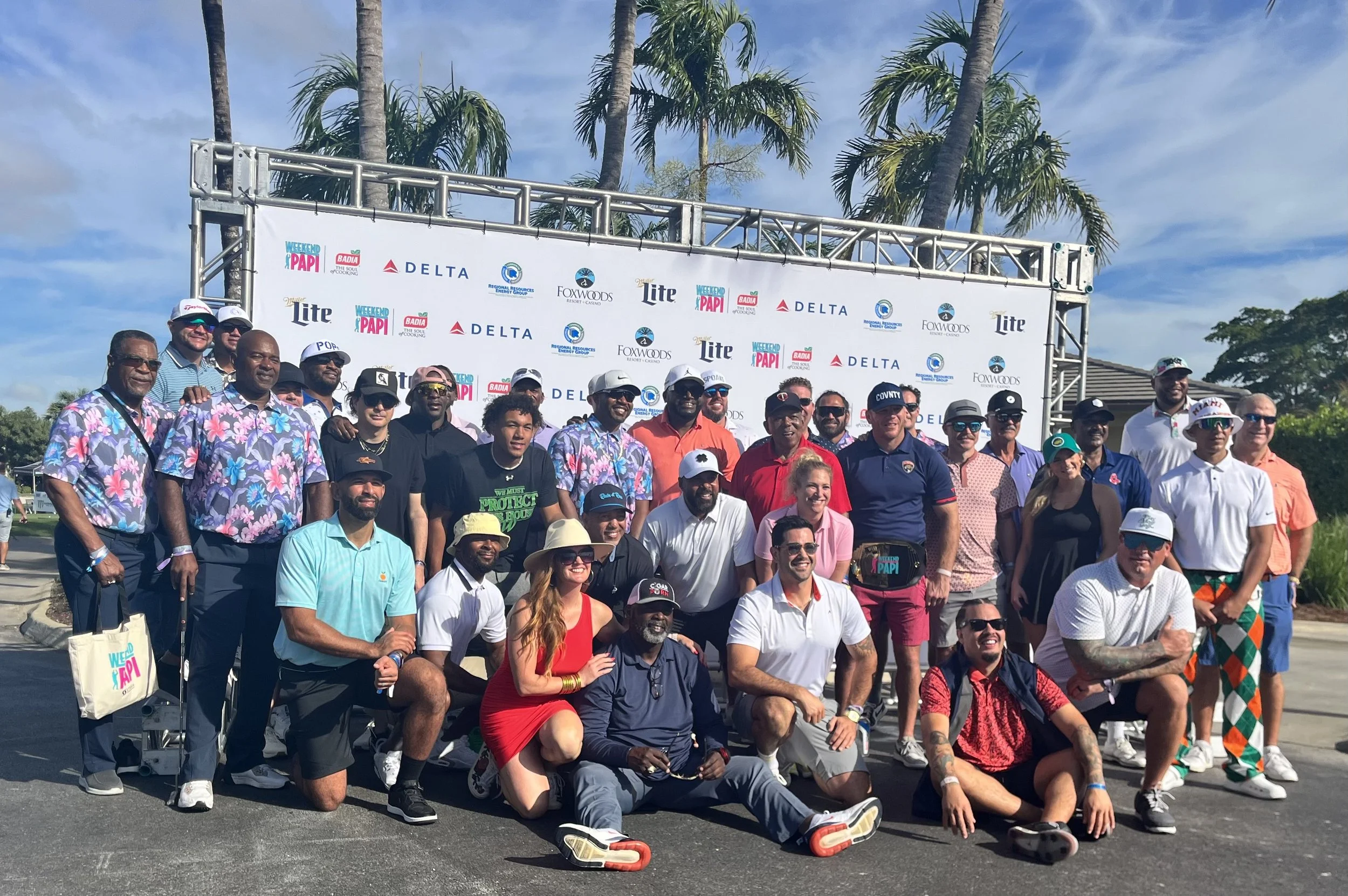
Ortiz Celeb Captains | Do Good. Make Money.
The Architecture of Impact
Probst doesn't work alone. Hallie Lorber, her partner in building out Do Good: Make Money Athlete Impact practice, has been alongside her for all eleven years of the Ortiz work, first connecting with him as his brand representative at Vitamin Water. The partnership is deliberately complementary. "She knows everything about sports and everyone in sports," Probst says simply. "I know nothing about sports." Lorber navigates the deals and relationships. Probst builds the scaffolding that makes the impact real.
That clarity about limits is inseparable from the advice she gives anyone entering the space. Ortiz tells young players who ask about building legacies something blunt and unglamorous: do not hire your cousin. "The best thing I did was hire professionals," Probst says. "Doing good — it’s actually not that easy." Get the infrastructure wrong and you might be delivering 20 cents of every dollar to the programs. You might raise almost nothing. Or you might find your name in a newspaper, attached to a charity fraud story, for something you didn't even know was happening.
The name Do Good Make Money was never meant to be provocative. It's just accurate. Probst has been proving the thesis since a store manager in Johannesburg realized that helping someone else's problem was, in fact, solving his own.
For athletes who grew up without enough — who know from the inside what it looks like when a community needs something and nothing comes — the possibility that their giving can be rigorous and durable is not incidental. It's the point. The platform their talent built deserves more than good intentions holding it up.
Twenty-one years in, Probst is still making sure it gets more than that.
At Conspiracy of Love, we help changemakers tell their most powerful stories — stories that inspire action, build movements, and create lasting impact.
Find out more about our Values-Driven Storytelling and GPS to Purpose workshops, and how we can help you scale your impact.