Bezos Courage And Civility Awards: How Two Neurodiversity Champions Are Redefining What Leadership Looks Like
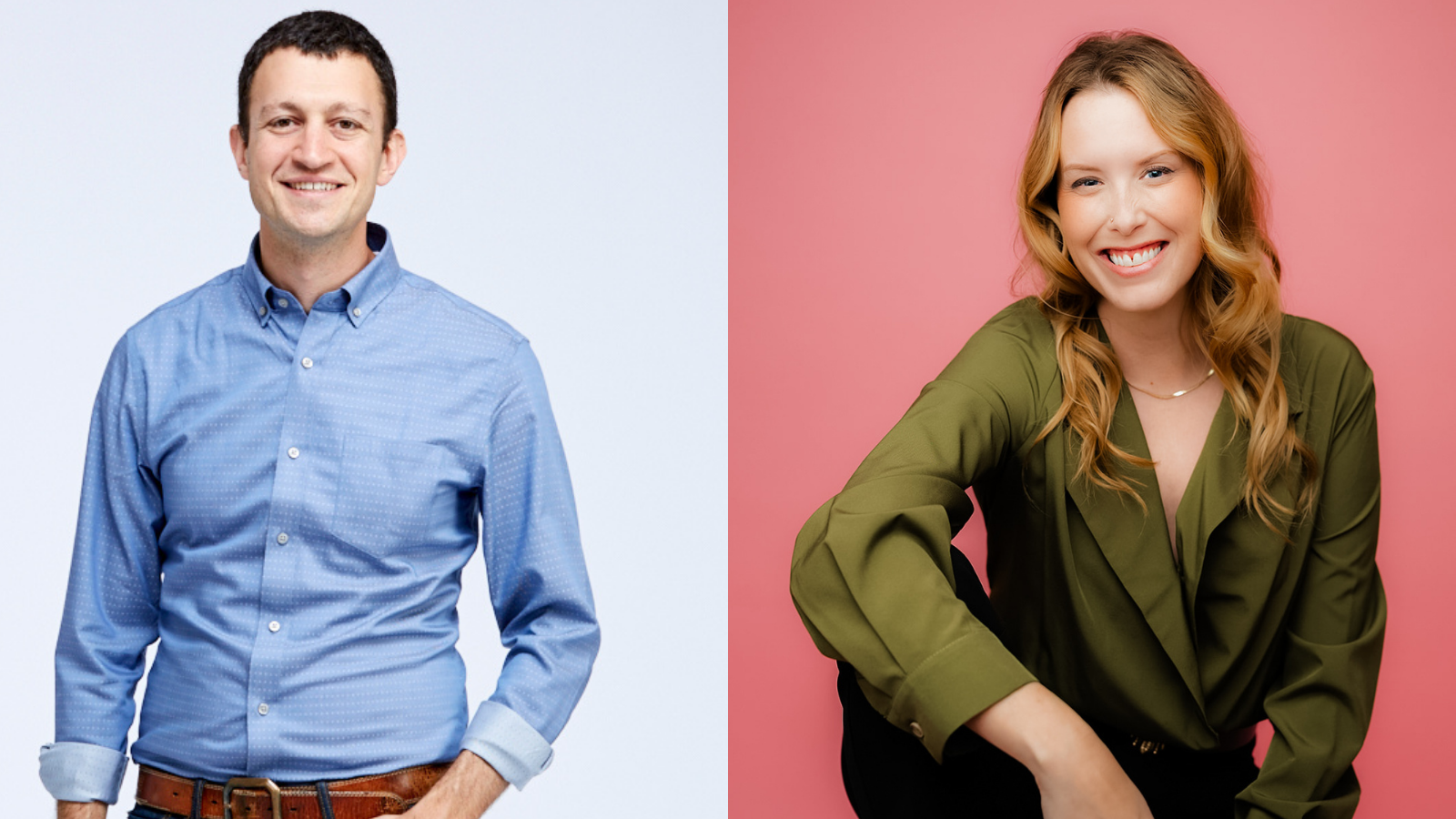
Dave Flink, founder of The Neurodiversity Alliance, and Kara Ball, nationally recognized STEM educator
When Jeff Bezos and Lauren Sánchez Bezos announced this year’s Bezos Courage & Civility Awards, it would have been easy to focus on the scale of the gifts—$25 million divided among leaders tackling some of the most urgent challenges of our time. But something else was different this year, something quieter and more profound: half of the awardees were chosen for their work in neurodiversity.
In a world that has long equated intelligence with conformity, that choice felt radical. But to anyone who has heard Lauren Sánchez Bezos speak about her own journey, it made perfect sense. Diagnosed with dyslexia as a child, she described feeling “dumb”—a word that still brings tears to her eyes decades later. For years, she carried the invisible weight so many neurodivergent children know all too well: struggle mistaken for apathy, brilliance misread as deficiency.
So when she and Jeff Bezos selected leaders who are rewriting the narrative around learning differences, it was more than philanthropy. It was personal. It was corrective. It was courageous.
That is why two of this year’s honorees—Dave Flink, founder of The Neurodiversity Alliance, and Kara Ball, nationally recognized STEM educator—stand out as forces reshaping what inclusion, innovation, and leadership look like in America today.
Dave Flink: Building A World Where Brilliance Isn’t Forced To Mask
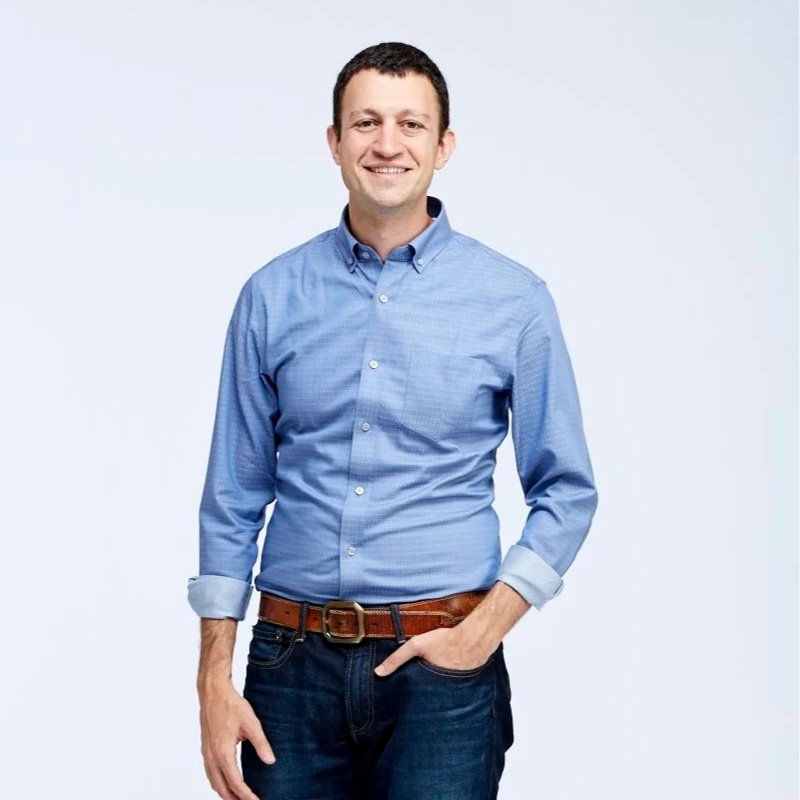
David Flink, Founder of The Neurodiversity Alliance
For more than two decades, Dave Flink has been building a quiet revolution. What began years ago as Eye to Eye, a mentoring program pairing neurodivergent college students with younger peers, has evolved into The Neurodiversity Alliance, now active in more than 600 sites across the country. The organization has ambitious plans: reach 2,028 sites by 2028, and scale a movement that transforms how schools, families, and institutions understand neurodivergent minds.
But Dave (a 2025 Elevate Prize winner) wants people to understand something deeper: “Nonprofits are businesses,” he told me. “And we’re among the top in the nation not just because we help a lot of kids—but because our business model is good.” His team is more than 50% neurodivergent. That is not an act of charity. It is a strategic choice.“All I care about is their brilliance,” he said. “It takes so much energy for people to mask. We design roles around their gifts. That’s when innovation happens.”
Dave was inspired, in part, by a line from Bezos’ final letter as CEO: “If you try to be normal, you will fail.” For Dave, this was not just philosophy—it was permission. In his organization, authenticity is not a perk; it is the operating system. Even simple acts—allowing job applicants to choose whether to interview on Zoom, in writing, or through voice notes—signal something profound:You do not have to contort yourself to belong here.
The $5 million Courage & Civility Award arrives at a pivotal moment, accelerating a growth plan to reach tens of thousands of students that was already well underway. But Dave is clear-eyed: the money matters, but the message matters more.“This amplifies the daily acts of neurodiverse kindness and brilliance happening across the country,” he said, describing everything from student-to-student mentorship to a recent TikTok created by one of their college mentors: a playful, painfully relatable ADHD riff on the Ghosts of Christmas Yet to Come. “You watch it and you just feel seen,” he told me. “Joy can be a form of validation.”
In an era of shrinking school budgets and rising need, The Neurodiversity Alliance is proving that scalable, system-wide change is possible—not by asking neurodivergent young people to adapt to the world, but by redesigning environments to recognize their inherent brilliance.
Kara Ball: Rewriting The Story Of Who Belongs In STEM
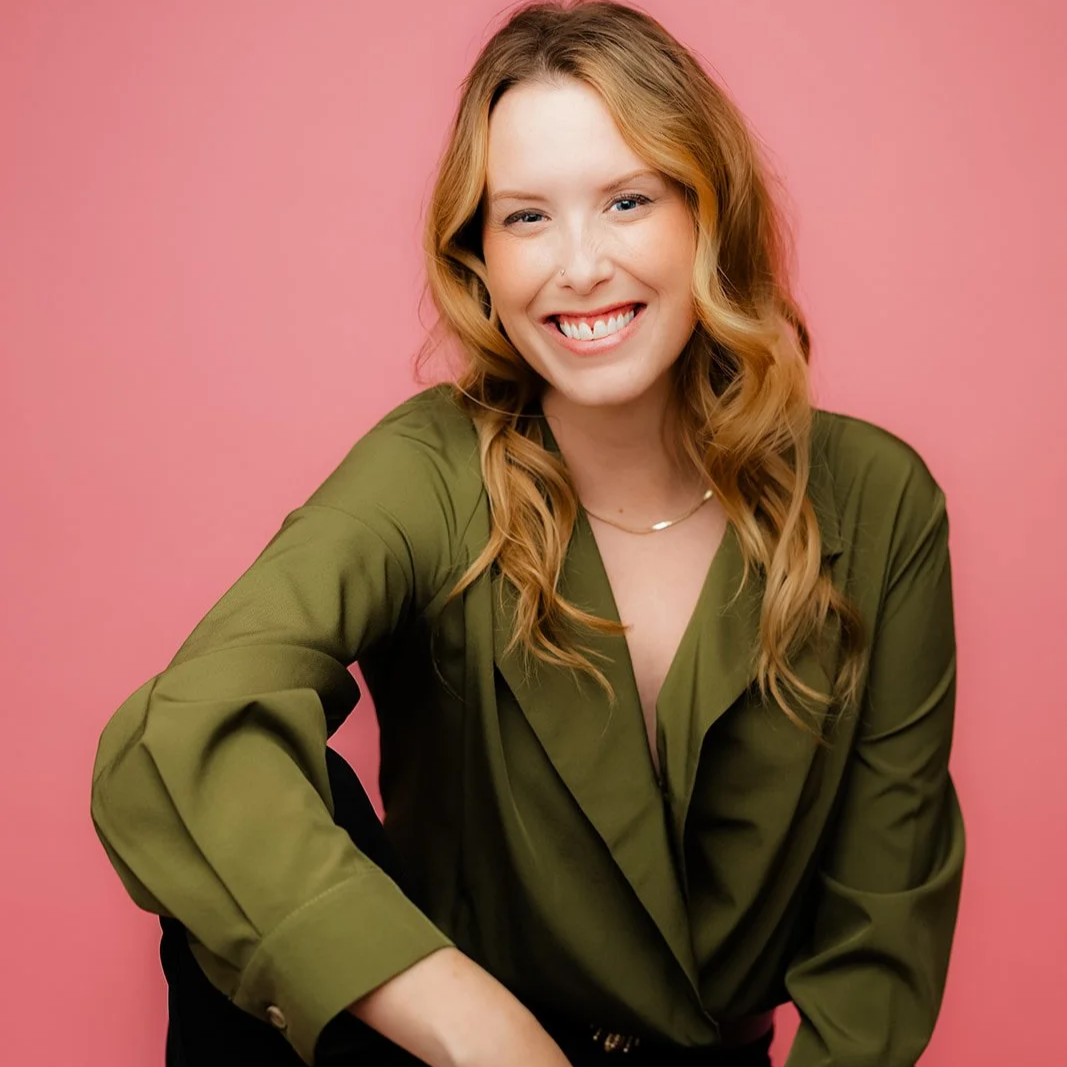
If Dave is transforming systems from the outside, Kara Ball is doing it from within the classroom—one learner at a time.
Diagnosed with dyslexia in third grade and dyscalculia in sixth, Kara spent her childhood ricocheting between frustration and perseverance. Her grandmother taught her to read. Her godfather, a math teacher, retaught her equations. Her family believed in her even when the system did not.
But it was a devastating moment in 10th grade that set her path in motion forever. A teacher told her she was “stupid” and would “never amount to anything.”
“That could have changed my whole trajectory,” she told me. Instead, it hardened her resolve. She became a special educator. She built classrooms where children who learn differently are met with dignity, curiosity, and possibility.
And then she noticed something unexpected: her neurodivergent students consistently outperformed their peers in STEM challenges.
Not sometimes. Consistently. “They are naturally curious, creative, and incredible problem solvers,” she explained. “Design for them—and everyone benefits.”
Her PhD research explored how early STEM experiences build belonging—the factor that most determines whether students persist in STEM careers.
Today, Kara serves as a national expert for Understood.org, the leading organization supporting families and educators navigating learning differences. And when she received her personal Courage & Civility Award, she made a stunning decision:
She donated the entire sum to Understood.org.
Not later. Not partially. Immediately.
Why? Because she believes they can reach 100 million people by 2030, and because scaling dignity requires infrastructure—platforms that meet students, parents, and educators where they are. Her 2026 focus: expand inclusive STEM experiences so every child can discover not just competence, but confidence. An inspiring goal for sure.
A Cohort Redefining What Courage Is
Flink and Ball join an extraordinary class of winners this year.
Ilana Walder-Biesanz, founder of National Math Stars, is opening doors for young people who have historically been underrepresented in math by giving them the coaching, community, and confidence to thrive.
Richard Rusczyk, founder of Art of Problem Solving and a longtime champion of MATHCOUNTS, is helping reshape how students learn math by making deep problem-solving feel rigorous, accessible, and genuinely exciting.
Taken together, this cohort shares one thing:
They are rebuilding systems to restore dignity.
Courage As Culture Change
If this year’s awards point to anything, it is the emergence of a new kind of leadership—what I often call “hope as a strategic asset.”
Dave Flink embodies it through organizational culture that treats neurodivergence as brilliance waiting to be unlocked.
Kara Ball embodies it through classrooms where a child who once struggled to read can out-innovate an entire room in a STEM challenge.
This is the civility we need now: not quiet politeness, but courageous inclusion.
The kind that does not lecture, but listens.
The kind that doesn’t force people to fit the system, but reshapes systems to fit people.
Because somewhere right now, a child is being told they don’t belong.
And somewhere else, thanks to leaders like Dave Flink and Kara Ball, that same child is discovering that not only that they do belong - but that there difference is what makes them special.
That discovery changes everything.
At Conspiracy of Love, we help changemakers tell their most powerful stories — stories that inspire action, build movements, and create lasting impact.
Find out more about our Values-Driven Storytelling and GPS to Purpose workshops, and how we can help you scale your impact.