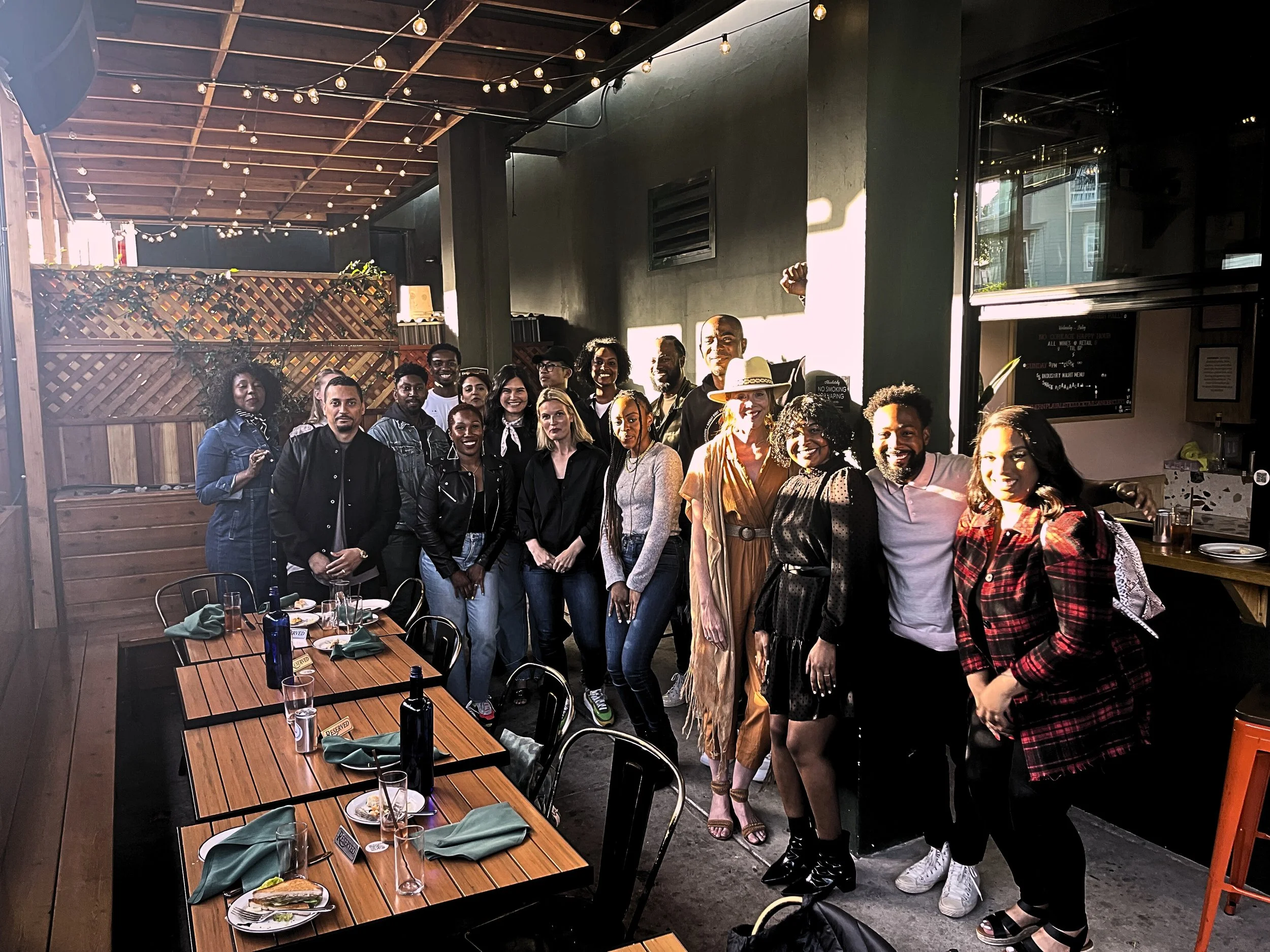
Monday Night Mentorship is a membership network & career accelerant for marketers of color. It's on a mission to help people of color accelerate their career and ultimately fill the top marketing spots. | Monday Night Mentorship
Every Monday at 5.30 pm, Jabari Hearn used to open a Zoom room and do something most corporate systems don’t make easy. He showed up for the people who needed help. Not a panel. Not a conference. Not a one-off talk. Just real “office hours” where marketers could ask the questions they were carrying alone.
The ritual became Monday Night Mentorship, a mentor-led community built to accelerate the advancement and impact of marketers of color — and it has just passed its five-year mark. It grew fast, powered by a diverse Board of Mentors and a simple promise: if you show up, you won’t be invisible.
Hearn traces the origin back to the pandemic era, when he was co-CMO at Lyft and felt how quickly support could disappear, even at the highest levels. “When the pandemic hit, all the money went away,” he said. “We both lost our executive coaches.”
But the loss didn’t land equally for each of the two CMO’s. “The other CMO at the time was a white woman,” Hearn said. “She had an uncle who ran his own business. She had a cousin who was a management consultant. She had family members who understood stock and entrepreneurship and leadership and all these things. I didn’t.” In Hearn’s mind, the contrast was stark. “I had no one to go to,” he said. “And she had everyone to go to.”
Then came a moment that pushed him from private frustration into public action. Lyft asked him to cut a 250-person team down to 50. “I had a script, had to lay them all off,” he said. “It was the most depressing thing I ever had to do.” He remembered being overwhelmed by it. “I was crying.”
That day, he called his best friend, Julian Duncan, and asked what to do next. Duncan proposed something simple. “Maybe we could just do office hours,” Hearn recalled, “and just see where people need help.”
So Hearn posted on LinkedIn and invited anyone impacted to join him on Zoom every Monday at 5.30. “I woke up the next morning,” he said, “it was the most crazy response I’ve ever seen. To this day, I’ve never had or seen a viral post like that.” The first Monday call drew about 500 people.
Where mentorship feels like community
The demand made one thing clear. “I can’t do this by myself,” Hearn said. “I need help.”
He started calling the people he trusted to show up with the right spirit, then assembled a diverse Board of Mentors. “We have this opportunity to help people, support people,” he told them. “Will y’all just join me on this journey and just be on the call every Monday?” They did. “We did every single Monday for two years together as a team,” he said.
As the community grew, Hearn became protective of what made it work. He’s watched mentorship spaces drift into status and “hero worship,” with the mentor as the main event. “The difference between Monday Night Mentorship and what I see in these other mentorship communities is they hero themselves,” he said. “It’s like all about them, the mentor. And nothing’s really about the community.”
His aim was steadier. “This needs to be a community,” Hearn said. “I want mentorship to be a way of life in business, not a business model.”
Menaka Gopinath, CMO of the Project Management Institute and a long-time supporter and member of the Board of Mentors, described mentorship in a way that matches what Monday nights tried to make real. “Mentorship isn’t just about giving advice,” she said. “It’s about mutual learning, growth and connection within a community. It is definitely not one-way.” She’s also pointed to outcomes when organizations treat mentorship as a serious capability. “At Project Management Institute, we know mentorship fuels success,” she said, noting that organizations that invest in it are “8% more likely to achieve above-average project performance.”
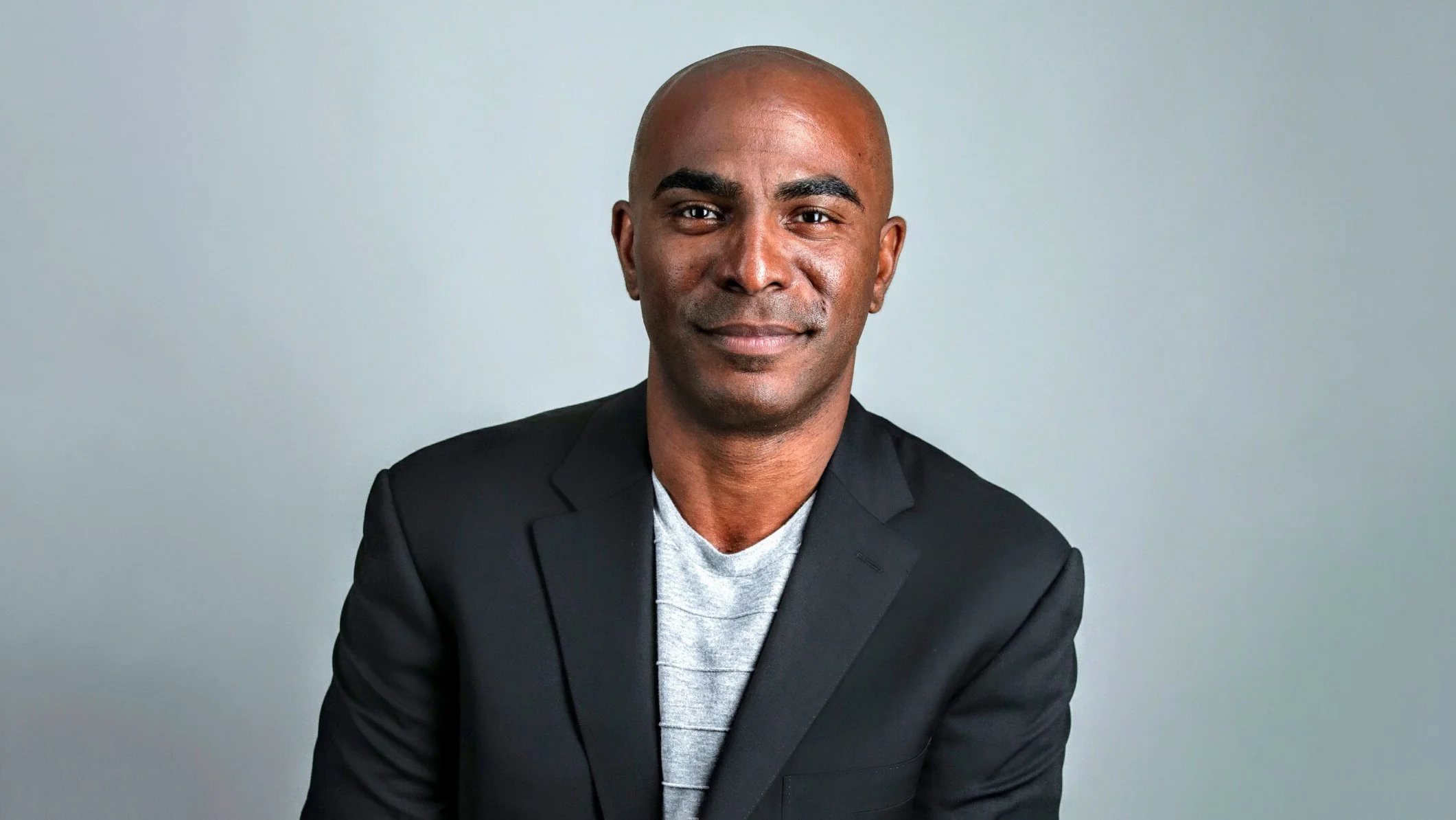
Jabari Hearn, Co-Founder of Monday Night Mentorship | Monday Night Mentorship
When being seen becomes the breakthrough
Hearn’s favorite story isn’t the one that ends with a title. It’s the one that ends with a person standing taller.
“Some people were talkative in the Zoom and some were really shy,” he said. “There was this one Indian woman, very small in stature. She rarely spoke up.” She attended quietly for months, then disappeared. When she returned, she was in crisis. “My visa, I think, is running out,” Hearn recalled her saying. “I need some help.”
The community mobilized. “Everyone surrounded this woman,” he said. “They surrounded her, got her a job at Meta.” But what stayed with him came later, during a simple roll call at the start of a call. She raised her hand. “We were all shocked,” Hearn said, because she had barely spoken before.
Then she told the group what had really changed. “It’s not about this job that you were able to give me,” she said. “I now feel like I can hold my head up with my shoulders back and my chin high and speak in rooms that I never thought I could be in.”
For Hearn, that was the point. “It’s not even about the mentorship,” he said. “It’s that somebody is seeing them. Somebody is listening to them. Somebody cares enough about them to help them one extra step.”
A sports-agency idea for the corporate world
Monday Night Mentorship
After years of weekly sessions, Hearn has begun thinking about what the next chapter needed to be. Less broad. More personal. More specific. “People need very specific help,” he said. “I want to go the other way and get more personal and get more specific.”
That instinct is behind a model he calls Seat at the Table, inspired by sports agencies and what they do for talent behind the scenes. “Can I take the model of a sports agency like Rich Paul has clutch sports for LeBron?” Hearn asked. “Can we take that same model into business?”
His focus is the messy middle, when someone is capable enough to be considered, but not supported enough to be carried. “They got nobody,” he said. “Nobody cares about them. Not the headhunters, not the company.”
So he imagines a tighter kind of career management, the work many people are expected to figure out alone. “You need to be in the right rooms,” he said. “You need to have your resume right, your story tight. You need to have the right social content. You need to be around the right panel. You need to be at the right dinners.” And it has to include the person, not just the professional packaging. “You need to be thinking about your physical health,” he said. “You need to think about your mental health.”
The plan is written. “This new model is a business plan,” he said. He’s also candid about the tension of funding mentorship. “I don’t want to ask people to pay me,” Hearn said. “When it’s for-profit, it starts to be weird asking people to pay for access and for mentorship.” He’s weighing options, including going the nonprofit route. “If you’re a nonprofit, I think I could go and fundraise really well for something like this.”
What he knows right now is that the next phase needs building, and it needs help. “I need an operational partner,” Hearn said. “I need help. I need support to get it going.”
Monday Night Mentorship started as a Monday night Zoom link and a leader trying to be of service. It became a community because people recognized a truth in their own careers. Talent isn’t the only variable. Support is. And when support is consistent, people stop shrinking. They start speaking.
Or, as one member told the community after a season of being carried, they learn how to “hold my head up with my shoulders back and my chin high.”
And that’s priceless.
At Conspiracy of Love, we help changemakers tell their most powerful stories — stories that inspire action, build movements, and create lasting impact.
Find out more about our Values-Driven Storytelling and GPS to Purpose workshops, and how we can help you scale your impact.