How Kristy Drutman Is Helping Climate Professionals Find Career Opportunity
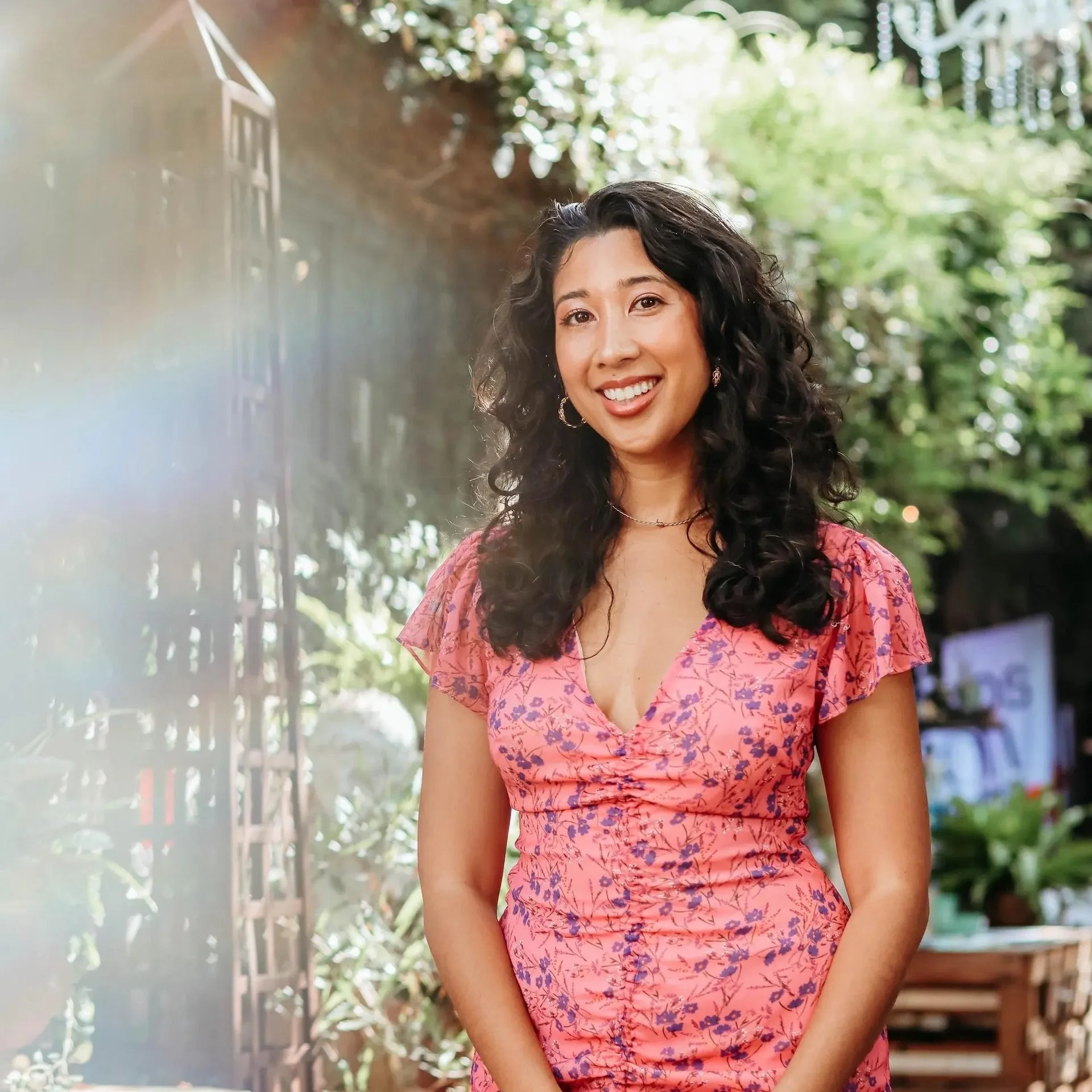
Kristy Drutman, Founder of the Green Jobs Board | Green Jobs Board
Picture an Instagram feed built not on outrage or aesthetics, but on job listings. Colorful graphics rounding up fellowships at climate nonprofits, internships at solar startups, open roles at foundations most job seekers have never heard of. No algorithm-chasing, no corporate polish. Just one inspiring young woman, a laptop, and a hunch that the hardest part of fighting climate change wasn’t a lack of solutions. It was that nobody could find the door in.
That hunch became Green Jobs Board, and the woman behind it has spent the past several years building the workforce infrastructure the climate movement didn’t know it was missing.
Kristy Drutman studied environmental policy and city planning at UC Berkeley, the kind of student who threw herself into youth advocacy and campus activism. Then graduation arrived, and the path she expected to find simply wasn’t there. Her career counselors had little to offer. The mainstream job boards, LinkedIn and Indeed among them, listed plenty of openings but answered none of her real questions. "How do I get into this field though? How do I get into climate or environmental issues?" she recalled asking. So she built the answer herself, first as a media platform called Browngirl Green, and eventually as its own company.
From Curator to Company
The origin story is almost accidental in its simplicity. Drutman began posting resource roundups on Instagram, drawing on years spent tracking which organizations were doing serious climate work. "Why don’t I just start curating that?" she said. As a creative, she had become a curator, and the format worked because it looked nothing like a job board. "We used colorful layouts, we had a great design, the stories we told were captivating." Companies noticed. Organizations began asking to post openings directly through her account, and soon she was hearing from strangers who'd landed their first fellowships and internships because of a single Instagram post.
By 2022, what had been a side project inside Brown Girl Green split off into its own entity: Green Jobs Board, a platform built to close what Drutman calls the green skills gap, the space between people who want climate careers and employers who don’t know how to recruit or train for them.
The numbers now back up the momentum. Green Jobs Board's community spans roughly 200,000 people across Instagram, LinkedIn, TikTok and a newsletter, and more than 1,000 employers, from the Doris Duke Foundation and Hewlett Packard Foundation to Environmental Defense Fund and Carbon180, have posted roles through the platform. In 2023, the company launched an annual conference, Green Jobs Pavilion, drawing 1,000 attendees, 90 speakers and 27 sessions across three days in New York. This year it expanded pilot events to Los Angeles and San Francisco, both selling out at more than 250 people. All of it, Drutman noted, was built by a three-person team without outside funding. "We built everything scrappy."
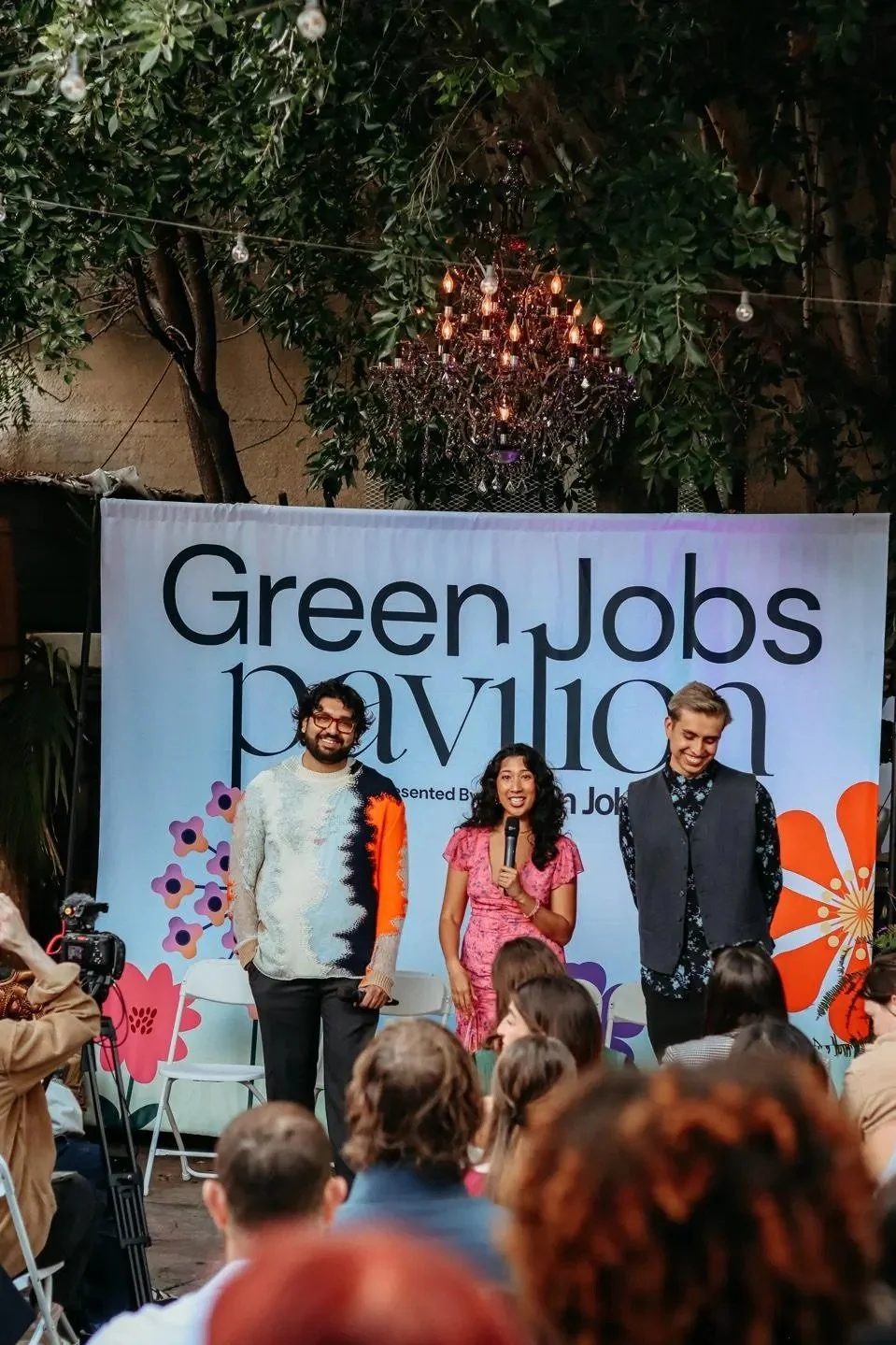
Green Jobs Board
A Personal Stake in the Gap
What makes Drutman’s framing distinct is that she doesn't treat access as an abstraction. She grew up without generational wealth, in a household where neither parent identified as an environmentalist, yet the pull toward this work never left her. "Just because you don't have the top education, or go to the most elite universities, or have access to the top programs, that shouldn't restrict you from wanting to make a difference and have a career that can actually pay your bills too," she said. That line does double duty. It is a mission statement, and it is a rebuke of an industry that has too often treated climate careers as the province of the already credentialed.
Her own parents, a nurse and a salesman, never used the word environmentalist to describe themselves. Drutman argues plenty of people fit the definition without ever claiming the title, which is part of why she wants the label demystified rather than gatekept.
Reckoning, Not Retreat
Ask Drutman where she thinks the climate movement stands today, and she doesn't reach for despair or denial. "I think we're at a reckoning point," she said. She's direct about the noise working against progress, the manufactured fatalism she sees circulating through media and politics, engineered to convince people the fight is already lost. Her counter isn't blind optimism. It's data. "The data shows that renewable energy, that the fight for climate, is inevitable," she said. "It's not an if, it's a when situation." That distinction matters. It reframes climate work not as a longshot bet but as a matter of timing and will, and it puts the responsibility squarely on those with the means to act. "Those of us with the privilege and the ability to do something about it should."
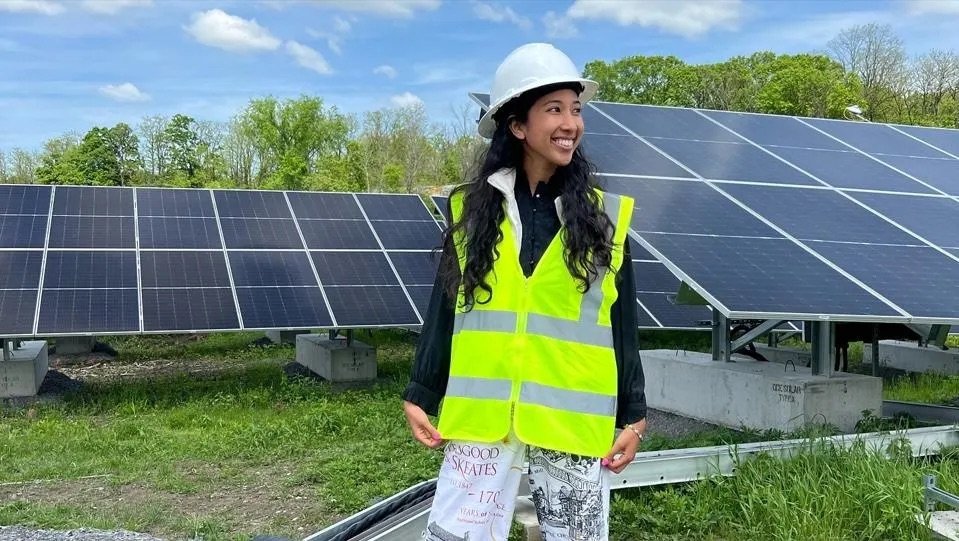
Kristy Drutman, Founder of the Green Jobs Board
Building Past the Name
The Green Jobs Pavilion events reveal how far the company has moved beyond its origins as a resource list. Attendees range from recent graduates to senior professionals pivoting mid-career, walking through panels that cover everything from energy and food systems to fashion and transportation, alongside resume coaching and direct mentorship from participating companies like Adobe and LinkedIn. One installation, built with the Center for Cultural Power and named Treehouse after the tech platform Green Jobs Board is now developing, invited attendees to write their role in the climate economy on a Polaroid and pin it to a tree, a small ritual meant to make an abstract ecosystem feel personal.
That tech platform, Pathways, is the next chapter, a matchmaking tool designed to connect job seekers and employers directly. The name suggests a job board. The reality is something far bigger. "We're building something so much bigger than that," Drutman said, pointing to the events, the newly launched Green Job Show video series, and the platform still in development.
The Case for Every Job
Pressed on whether green jobs are really a distinct category at all, Drutman doesn’t hesitate. "Every job is going to become a climate job, if it's not already, because of the risks and the impacts of the climate crisis," she said, arguing that resilience and long-term viability now factor into every sector, not a select few. Her advice to employers follows the same logic: stop waiting for someone internally to volunteer as the accidental sustainability lead, and start funding the fellowships and pipelines that build that expertise on purpose. "It's better that a company acknowledges that, and actually builds more green jobs into what they're doing, and builds a strategy around that," she said.
What Drutman's work ultimately demonstrates is that access, not awareness, has been the real bottleneck in climate careers. The solutions and the openings exist. What was missing was the bridge, and increasingly, the visual language and infrastructure to walk across it. "Everyone has a role to play in this space," she said. If Pathways delivers on its promise, that role may finally have a map.
At Conspiracy of Love, we help changemakers tell their most powerful stories — stories that inspire action, build movements, and create lasting impact.
Find out more about our Values-Driven Storytelling and GPS to Purpose workshops, and how we can help you scale your impact.